
Lieferung heute & morgen

Qualitätsgarantie

Willkommens-Angebote freischalten: KOSTENLOSE Lieferung | Bis zu 80 % RABATT | Kostenlose 30-Tage-JoyPlus-Testphase
App herunterladen
A cluttered bathroom, with shampoo bottles teetering on the edge of the tub and an overflowing vanity, is a common problem. Lack of storage space quickly leads to disorganisation and makes your daily routine more cumbersome than it needs to be. The right bathroom shelf can remedy this by organising your toiletries and making optimal use of the space.
This article serves as a guide. It introduces different types of shelves and explains the crucial criteria to help you choose—from installation method to material. The goal is to provide you with an objective basis for your decision.
Before you decide on a model, some practical considerations should be top of mind. The right choice depends on the specifics of your bathroom and your personal requirements.
The mounting method is a key factor, especially for renters.
The material affects not only the look but also the durability of the shelf in the damp bathroom environment.
Consider what you need to store. Do you just need a small ledge for two bottles, or a comprehensive bathroom storage solution for the whole family? Look for features like the height of the compartments, which should be suitable for large bottles, and drainage holes that prevent water from pooling and soap residue from building up.
Here is a selection of different shelf types that cater to various needs. Each model is presented based on its specific features and applications.

Why It Stands Out: This set is distinguished by its suction cup technology, which the manufacturer claims is based on the principles of octopus tentacles. Installation is tool-free by simply pressing it into place, allowing for immediate use with no waiting time.
Advantages:
Who Is It For? Ideal for renters, students, and anyone looking for a quick, damage-free, and flexible storage solution for the shower. It works best on smooth, non-porous surfaces like glass, acrylic, or smooth tiles.
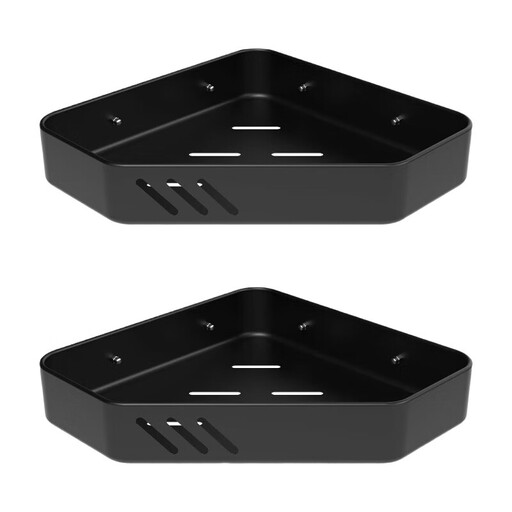
Why It Stands Out: The Ibergrif Corner Shower Caddy offers two installation options—adhesive or drilling. This gives the user the freedom to choose the method that best suits their wall and needs. The space-saving corner design and modern black finish are other key features.
Advantages:
Who Is It For? A great choice for homeowners and renters looking for a stylish and durable solution for unused corners. The dual installation option makes it adaptable to various living situations.
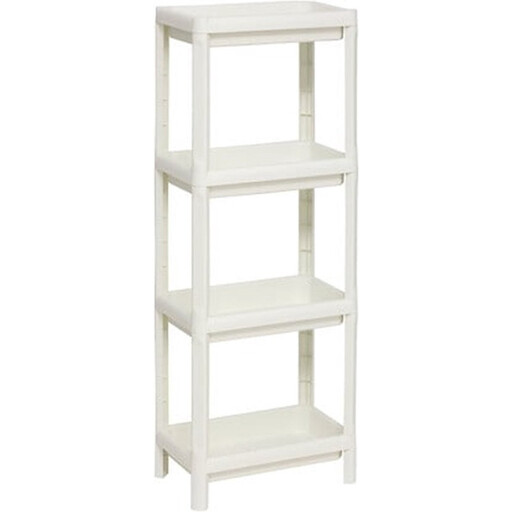
Why It Stands Out: This freestanding bathroom shelf impresses with its simplicity and ample storage space. It requires no wall mounting and can be assembled in minutes thanks to a snap-together system.
Advantages:
Who Is It For? Perfect for anyone who needs a lot of storage and prefers a flexible, freestanding solution. It is especially practical in family bathrooms or for those who cannot or do not want to drill holes in their walls.
If the models presented here don't quite meet your needs or if you're looking for specific materials, many other alternatives are available. For instance, a plastic bathroom organiser can be a lightweight and durable choice.
Explore our diverse selection of plastic bathroom shelves and find the perfect solution for your home.
For a secure installation, surface preparation is crucial. The wall must be clean, dry, and free of grease. For suction cups, the surface should be smooth and non-porous (e.g., glass, smooth tiles). Press the suction cup firmly to remove all air. For adhesive systems, it's essential to follow the manufacturer's instructions precisely, which often includes a 24-hour curing period before placing any items on the shelf.
The choice of material depends on personal preferences and where it will be used. Stainless steel is robust, rust-resistant, and has a modern look. Plastic is lightweight, completely waterproof, and easy to maintain. Materials like bamboo offer a natural aesthetic but may require more maintenance in a damp environment to prevent mould growth.
The load capacity varies greatly depending on the product, the adhesive, and the wall condition. Manufacturer specifications range from 2 kg to over 10 kg. It is essential to check the specific manufacturer's information on the product packaging or in the instructions and not to exceed the maximum load capacity to prevent the shelf from falling.