The selection of a bathroom sink is based on three fundamental criteria: installation type, material properties, and spatial constraints. These factors determine not only the aesthetics but also the functionality and durability for daily use. An informed decision requires an analysis of the technical specifications and practical benefits of the available options.
Buyer's Guide: What to Consider When Making Your Selection
Before making a purchase, it is wise to evaluate the following technical parameters.
1. Comparing Installation Types
The mounting style of the sink directly influences the room's ambiance and the usability of the vanity area.
- Countertop Sinks: This basin is placed on a console or vanity unit. It often serves as a striking design feature. Installation requires a suitable countertop and a taller, vessel-style faucet or a wall-mounted one. The cleaning effort may be slightly higher due to the gap between the basin and the countertop.
- Wall-Mounted Sinks: A wall-mounted sink is attached directly to the bathroom wall. This option is particularly space-saving, making it an excellent choice as a small sink or a cloakroom sink. The area beneath the basin remains clear, which simplifies floor cleaning and creates a minimalist aesthetic. Stability depends on a solid wall structure and professional installation.
- Inset Sinks: These basins are installed from above (drop-in) or below (undermount) into a countertop cutout. They create a flush, seamless surface that is easy to clean. This classic option provides ample storage space in the vanity unit but requires more room than a wall-mounted sink.
2. Material Analysis: Ceramic vs. Glass
The material defines the sink's tactile quality, maintenance requirements, and resilience.
- Ceramic Sinks: Sanitary ceramic is the industry standard for washbasins. The material consists of fired clay coated with a glaze. This surface is non-porous, scratch-resistant, and impervious to common household acids and alkalis. Cleaning is straightforward. Ceramic offers a wide spectrum of shapes and is available in both matte and glossy finishes.
- Glass Sinks: A glass sink is typically made from tempered safety glass. It offers a modern and often striking aesthetic. The transparency or colour of the glass can create unique visual effects. Glass is also non-porous and hygienic but can be more susceptible to visible water spots and limescale deposits. Cleaning requires mild glass cleaners and soft cloths to prevent scratching.
3. Shape and Dimensions
The basin's geometry should be tailored to the room's size and user comfort.
- Shape: A round sink often creates a softer, more harmonious look, while a rectangular sink supports clean, architectural lines. The choice is primarily a matter of the overall design concept. Oval and asymmetrical shapes offer further opportunities for distinction.
- Size: For a main bathroom, wider basins with generous counter space are highly functional. In a guest toilet or small bathroom, compact models with a shallow projection (distance from the wall to the front edge) are advantageous to preserve freedom of movement. The depth of the basin itself is crucial for functionality, helping to minimise splashing.
Our Selection for 2026
The following products have been selected for their specific material properties, design, and functional suitability for defined use cases.
Homary Vessel Transparent Diamond Shaped Crystal Glass Bathroom Wash Sink
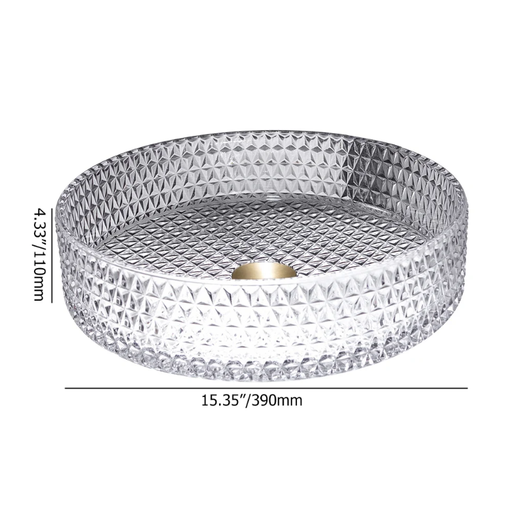
- Why we recommend this product: This countertop sink stands out for its material and craftsmanship. It is made from crystal glass, crafted using mouth-blowing and manual bevelling techniques, which makes each piece unique. The diamond-like faceting creates a special light refraction, turning the basin into a visual centrepiece.
- Benefits:
- Unique Craftsmanship: Each basin is individually shaped using manual techniques.
- Premium Material: The crystal glass offers exceptional transparency and brilliance.
- Safety Feature: The edges are rounded to reduce the risk of injury and enhance durability.
- Who it's for: Those seeking a designer sink as a central feature for a high-end bathroom and who appreciate artisanal details.
DeerValley Small Bathroom Sink Guest Toilet Sink Black Matt
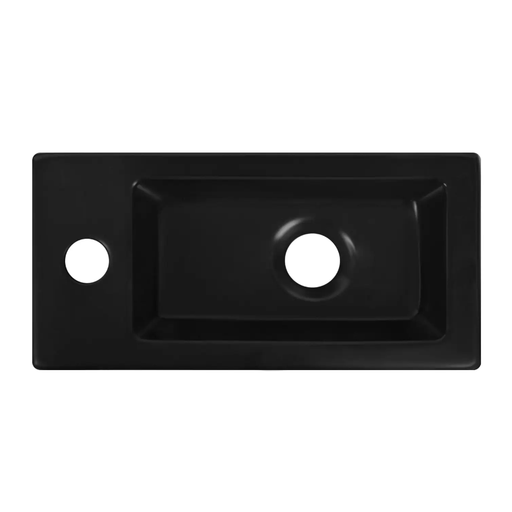
- Why we recommend this product: This wall-mounted sink is a functional solution for space-constrained environments. With its compact dimensions of 36.5 x 18 cm, it is specifically designed for small bathrooms or cloakrooms. The matte black ceramic surface offers a modern alternative to classic white.
- Benefits:
- Space-Saving Design: The rectangular, narrow shape maximises available space.
- Durable Ceramic: According to the manufacturer, the material features low water absorption and high acid resistance.
- Low-Maintenance Surface: The glaze is scratch-resistant and designed to prevent yellowing.
- Stylish Finish: The matte black surface creates a bold accent.
- Who it's for: Users with limited space, such as in a cloakroom or small urban apartments, who want a solution that is both functional and design-led.
DeerValley Wall-Mounted Ceramic Bathroom Sink, White Rectangular (Left-Hand Design)
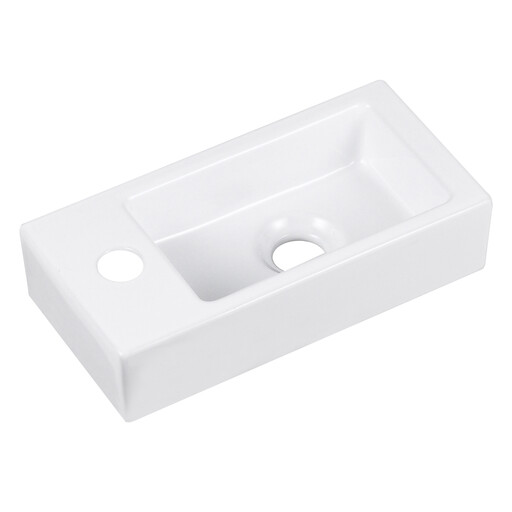
- Why we recommend this product: This model combines the space-saving benefits of a wall-mounted sink with a thoughtful, asymmetrical layout. The tap hole is positioned on the left, allowing for more ergonomic use in certain room configurations. The white ceramic provides a timeless and low-maintenance surface.
- Benefits:
- Compact Dimensions: At 36.5 x 18 cm, it is ideal for tight spaces.
- High-Quality Ceramic: The smooth, polished surface is stain-resistant and easy to clean.
- Functional Layout: The left-sided tap hole placement offers flexibility in bathroom planning.
- Who it's for: Ideal for renovating or redesigning compact bathrooms and cloakrooms where specific faucet placement is needed to optimise the space.
Discover More Alternatives
The models presented here represent a curated selection that meets specific design and functionality requirements. If you are looking for other shapes, materials, or specific dimensions, you can find a more comprehensive overview in our main category for Sinks.
Frequently Asked Questions (FAQ)
1. What is the standard height for a bathroom sink? The standard height for the top edge of a sink is typically between 85 cm and 95 cm. For countertop sinks, this measurement refers to the top edge of the basin, not the countertop. The exact height should be adjusted to the primary users' stature to ensure an ergonomic posture.
2. What are the functional differences between a countertop sink and an inset sink? A countertop sink highlights the basin as a design object but often requires a separate, taller faucet and can involve slightly more cleaning around the basin's base. An inset sink creates a continuous, easy-to-clean surface with the vanity top and integrates more seamlessly into the unit, often providing more practical storage space. The choice depends on whether you prioritise design over maximum functionality and ease of cleaning.
3. How do you clean a glass sink effectively? To clean a glass sink, it is best to use a soft microfibre cloth and a mild, pH-neutral glass cleaner or a solution of water and vinegar. To prevent scratches, abrasive scouring agents, steel wool, and harsh chemical cleaners should be strictly avoided. Wiping the sink dry regularly after use will prevent the build-up of limescale and water spots.
Written by: Joybuy Product Recommendation Officer

