
Lieferung heute & morgen

Qualitätsgarantie

Willkommens-Angebote freischalten: KOSTENLOSE Lieferung | Bis zu 80 % RABATT | Kostenlose 30-Tage-JoyPlus-Testphase
App herunterladen
A new bathroom faucet can significantly transform the look and feel of a bathroom. However, the selection is vast, and not every shiny product delivers on its promise. Many buyers focus on design and overlook technical details that can later lead to frustration and unexpected costs. Before you make a decision, it's crucial to understand the most common pitfalls to ensure you make a durable and functional choice.
The 3 Most Common Mistakes When Buying a Bathroom Faucet:
To avoid a bad purchase, you should focus on three core technical aspects. These determine the longevity, functionality, and running costs of your new faucet.
The body of a high-quality faucet is typically made of solid brass. This material is corrosion-resistant and robust. The outer surface, whether chrome or brushed stainless steel, is a finish. Look for details about multi-layer chrome plating or PVD (Physical Vapour Deposition) coatings, as these provide greater scratch resistance and durability than simple paint finishes. A solid stainless steel faucet is inherently durable and a great alternative to chrome-plated brass.
Inside every single-lever mixer is a cartridge that regulates water flow and temperature. Models with ceramic cartridges are the quality standard here. They are low-wear and ensure a permanently leak-proof and smooth operation. Manufacturers often specify the number of test cycles (e.g., 500,000 cycles), which is an indicator of the expected lifespan. For a thermostatic shower mixer, the response time of the thermostatic element is also crucial for quickly compensating for temperature fluctuations.
For a simple installation, compatibility with your existing water connections is essential. For a basin faucet, flexible connection hoses with G 3/8 inch standard threads are common in Europe. Check if these are included in the delivery and are long enough for your setup. For a wall-mounted shower thermostat, the connection centre distance (usually 150 mm) must be considered. Models supplied as a complete set with all seals and mounting materials will save you extra trips to the hardware store.
Based on these objective criteria, we have identified several products that represent a smart choice for different user profiles and requirements.
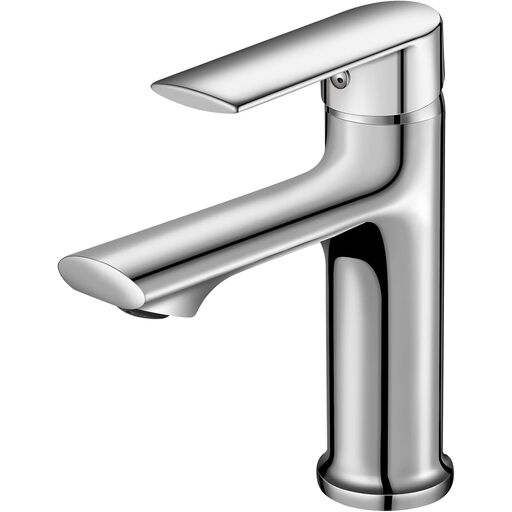
Why this model is a great fit: Ideal for a quick and cost-effective upgrade to your main or guest bathroom. Its classic chrome design is universally appealing, and its functionality is focused on the essentials.
Addresses the installation pitfall by including standard connection hoses (G 3/8 inch) and a design focused on straightforward setup.
Features a water-saving system to reduce consumption and a 15° angled spout that minimises splashing on the basin.
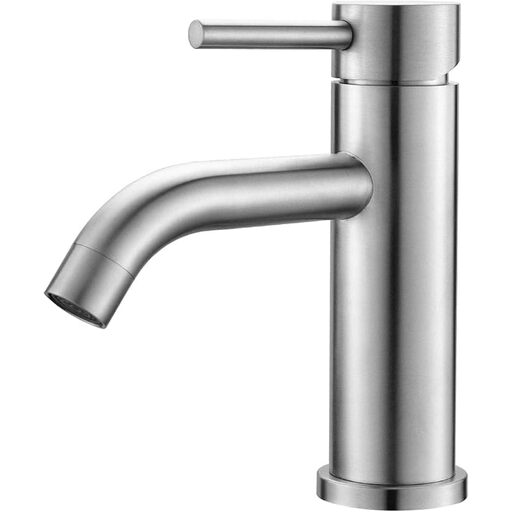
Why this model is a great fit: For users who value modern design and low-maintenance surfaces. The brushed stainless steel finish is less prone to fingerprints and water spots than polished chrome.
Counteracts the problem of quickly wearing surfaces. The stainless steel body with a brushed finish is inherently robust and resistant to corrosion and scratches.
According to the manufacturer, the ceramic cartridge has been tested for 500,000 cycles, indicating high durability. The water-saving aerator reduces consumption by up to 30%.
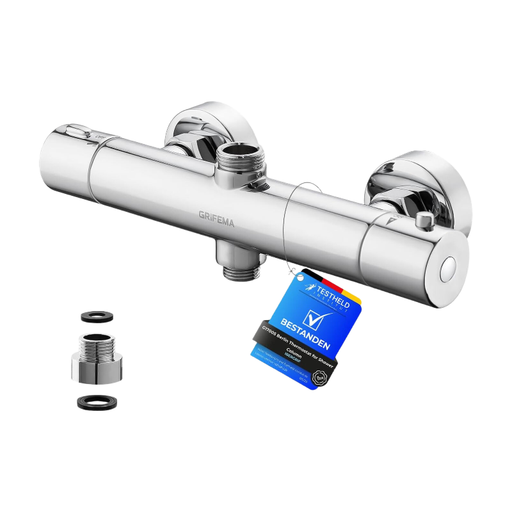
Why this model is a great fit: An excellent choice for households with children or elderly members where safety is a top priority. The thermostatic technology ensures a constant water temperature.
Solves the often-overlooked risk of scalding. The preset 38°C safety lock prevents the temperature from being accidentally set too high.
Maintains a constant water temperature even with pressure fluctuations in the water supply. Its innovative cooling system also reduces the heating of the faucet body, providing an additional layer of protection.
We have compiled a complete, up-to-date list of products that meet these strict selection criteria and safety standards.
The lifespan of a bathroom faucet depends heavily on the material quality and usage. A model with a solid brass body and a high-quality ceramic cartridge can remain functional for 10 to 15 years or more with regular care. It is also crucial to regularly clean the aerator to remove limescale and maintain a consistent water stream.
Yes, many modern basin faucets are designed for easy installation by DIY enthusiasts. Look for models that come with flexible connection hoses (check for your local standard, e.g., G 3/8 inch is common in Europe) and clear, illustrated instructions. However, if you are unsure about your water connections or how to properly seal them, it is advisable to consult a professional plumber to prevent water damage.
A faucet labelled as water-saving typically features a special aerator. This device mixes air into the water as it flows through. The result is a full, soft stream of water, even though the actual amount of water flowing is reduced by up to 30% or more. You will barely notice a difference in comfort, but you will effectively lower your water consumption and your utility bills.