
Lieferung heute & morgen

Qualitätsgarantie

Willkommens-Angebote freischalten: KOSTENLOSE Lieferung | Bis zu 80 % RABATT | Kostenlose 30-Tage-JoyPlus-Testphase
App herunterladen
A towel rack in the bathroom is more than just a practical detail—it contributes to order, hygiene, and the overall aesthetic of the room. However, the selection is vast, and not every product lives up to its promise. Common frustrations include incorrect materials that rust after a short time or adhesive mounts that give way under the weight of a wet towel. This guide will help you identify the crucial features and make an informed choice that suits your needs and living situation.
Before you decide on a model, you should be aware of the typical weaknesses that often only become apparent after installation.
To avoid a bad purchase, focus on these three technical parameters. They determine durability, stability, and functionality.
The choice of mounting method is fundamental and depends on your wall type and requirements.
The humid environment of a bathroom places high demands on the material.
From a small guest towel holder to a multifunctional bathroom shelf with a towel holder, there is a right model for every purpose.
Here are some models tailored to specific needs and living situations.
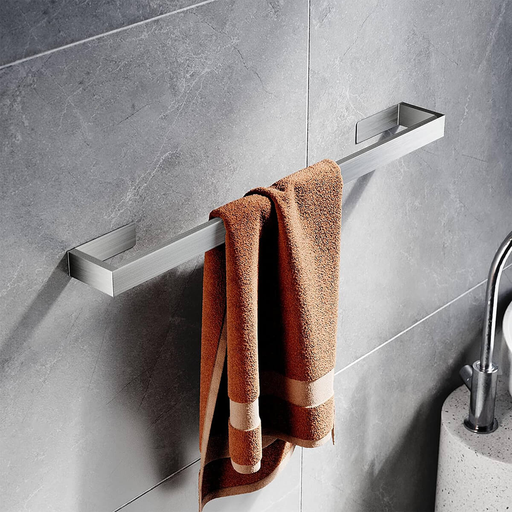
Why it's a great fit: The self-adhesive installation is ideal for rental apartments where drilling is not permitted. The simple design in brushed stainless steel blends discreetly into modern bathrooms.
The model relies on a large-surface adhesive mount and genuine stainless steel. This minimises the risk of it falling off when correctly installed on smooth tiles and prevents rust formation.
The 60 cm length provides ample space for a spread-out bath towel. Installation requires no tools and leaves no permanent damage on the tiles.
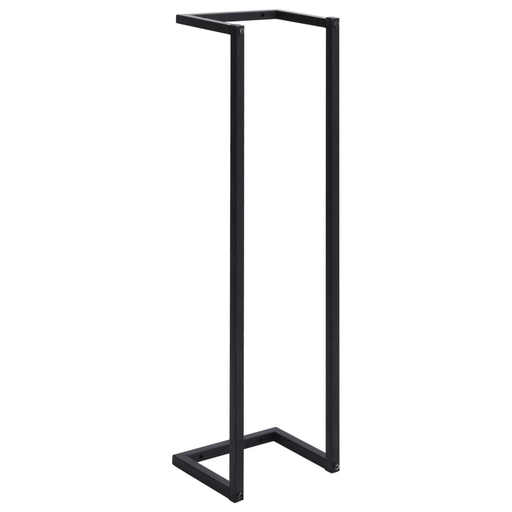
Why it's a great fit: This rack utilizes vertical space to store multiple folded towels. It is a highly efficient solution for family bathrooms where order and space are paramount.
By using a secure wall mount with screws, it bypasses the inadequate load capacity of adhesive variants. The powder-coated iron construction is designed for humid environments and is more resistant to rust than simple paint finishes.
The rack provides organized storage for a large number of towels within a small footprint. This keeps countertops and other areas in the bathroom free.
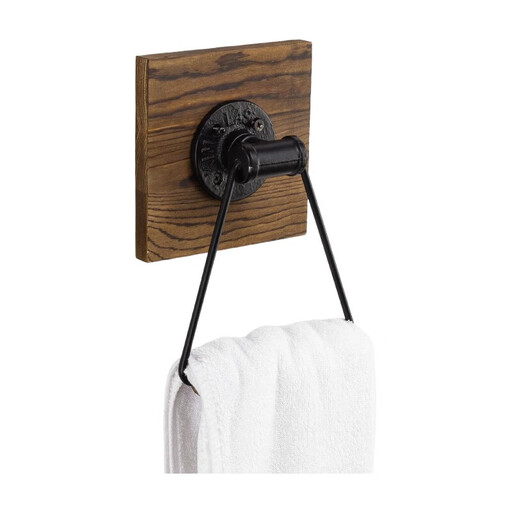
Why it's a great fit: This model is a clear design statement. The combination of matte black metal in a pipe-look and torched solid wood is ideal for bathrooms with an industrial or farmhouse style.
The robust construction of metal and solid wood, along with secure screw mounting to the wall, ensures high stability. The focus here is deliberately on the look and feel of quality materials, rather than on thin coatings.
The holder is not just functional but also serves as a decorative wall object. The material mix of raw metal and warm wood creates a striking visual accent.
We have compiled a complete, up-to-date list of products that fully meet these strict selection criteria.
1. How high should a towel rack be mounted in the bathroom? The mounting height depends on the type and purpose. A towel bar for bath towels is typically installed at a height of 120 cm to 140 cm (47 to 55 inches) above the floor. A towel ring or a guest towel holder next to the sink is usually placed at a height of 100 cm to 120 cm (39 to 47 inches). Adjust based on your height and the length of your towels to ensure comfortable use.
2. Will a drill-free towel rack really stick to textured wallpaper? No, as a rule, it will not. Adhesive mounts require a completely smooth, clean, and non-porous surface to develop their full bonding strength. This includes tiles, glass, metal, or smooth painted surfaces. On rough or absorbent substrates like textured wallpaper, plaster, or untreated wood, the adhesion is insufficient. Here, installation with drilling and appropriate wall anchors is recommended.
3. How do I care for a black metal or stainless steel towel rack? For a stainless steel towel rack, a soft, damp cloth is sufficient for regular cleaning. A mild, vinegar-based cleaner helps against limescale spots. For a black towel rack with a matte powder coating, you should also only use soft cloths and pH-neutral cleaning agents to avoid scratching or damaging the surface. Abrasive cleaners and scratchy sponges should be avoided on all materials.