
Lieferung heute & morgen

Qualitätsgarantie

Willkommens-Angebote freischalten: KOSTENLOSE Lieferung | Bis zu 80 % RABATT | Kostenlose 30-Tage-JoyPlus-Testphase
App herunterladen
A bathroom vanity unit is a functional solution to make smart use of the often-wasted space under the sink, conceal plumbing, and create a tidy environment. However, the sheer number of options can quickly become overwhelming. Many models look great at first glance, only to reveal their weaknesses after a few months in a humid bathroom climate. This guide will walk you through the critical features to look for, helping you make an informed decision.
Before we dive into the important features, let's look at the typical pitfalls that often lead to disappointment.
To avoid the mistakes mentioned above, focus on the following three core aspects. These will determine the longevity and functionality of your new furniture piece.
The material is the foundation of your unit's longevity in the bathroom. The most critical property is moisture resistance.
Measuring is essential. Before you buy, take the time to accurately determine three values:
Consider what you need to store. The internal layout should match your needs.
Here are some recommendations tailored to different needs and bathroom situations.
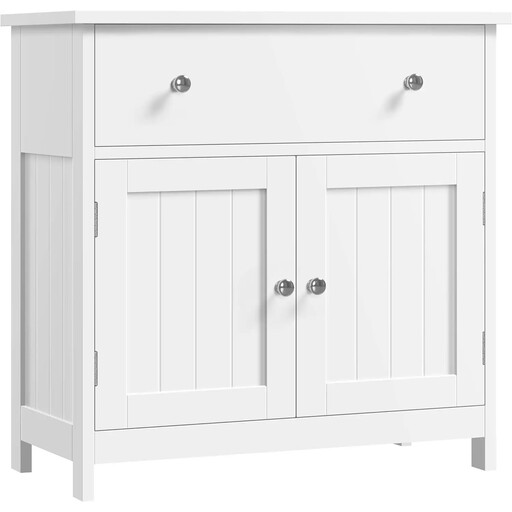
Why This Fits Their Persona: A solid and affordable solution for those seeking functional, entry-level furniture. The classic white design fits most modern bathrooms and offers a proven combination of a drawer and cabinet compartments.
The construction from FSC-certified MDF panels with a water-repellent coating protects against swelling. The combination of a drawer and doors avoids the problem of a single, disorganised compartment.
Offers a great mix of easily accessible storage (drawer) and concealed space (behind the doors). The standard 60 cm width is a perfect fit for many common sinks.
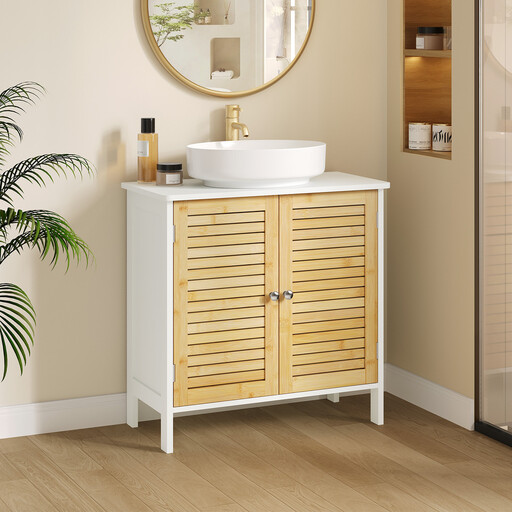
Why This Fits Their Persona: Perfect for users who value modern aesthetics and natural materials. The combination of a white body and bamboo elements creates a warm, high-end atmosphere in the bathroom.
Bamboo is naturally more moisture-resistant than engineered wood alone. Combined with E1-class MDF panels, the cabinet offers excellent durability. The adjustable shelf ensures functional organisation.
The material combination is not only visually appealing but also functional for the bathroom climate. Magnetic catches on the doors ensure a clean close and protect the contents.
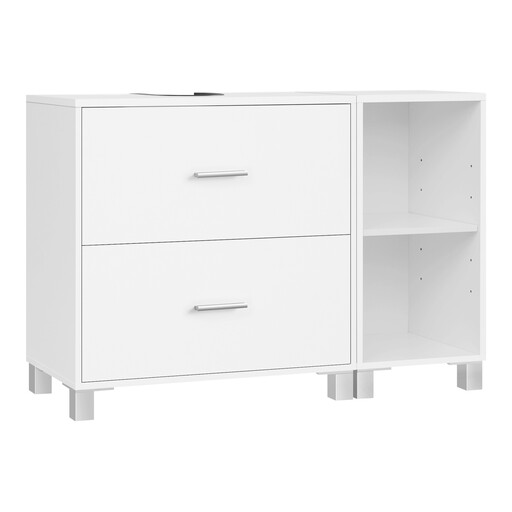
Why This Fits Their Persona: For those who demand maximum and flexible organisation. This 90 cm wide system, featuring drawers and a versatile side cabinet, offers exceptional storage to keep any bathroom completely clutter-free.
This model is the direct answer to impractical interior layouts. The combination of drawers and a side cabinet with an adjustable shelf offers a solution for every storage problem. The E1-class engineered wood material is also water-repellent.
Its high degree of modularity is the biggest advantage. The side cabinet can be placed on the left, right, or even separately, allowing for perfect adaptation to your bathroom's layout.
We've curated a complete, up-to-date list of products that fully meet these strict selection criteria and safety standards.
1. How do I measure correctly for a vanity unit? Measure three key areas: the available width and depth under the sink; the height from the floor to the underside of the ceramic basin; and the exact position and diameter of your siphon drain pipe. Note the distance from the wall to the centre of the pipe and the distance from the floor. Carefully compare these measurements with the product's technical drawing or specifications.
2. What is the best material for an under-sink cabinet? For the humid climate of a bathroom, materials with a sealed, water-repellent surface are crucial. Lacquered or coated MDF panels (E1 class) offer a great balance of price and performance. Solid wood like bamboo is naturally more moisture-resistant but should also be treated. Uncoated particleboard is generally not recommended.
3. Can I assemble a vanity unit myself? Yes, most models are designed for self-assembly and come with illustrated instructions and the necessary mounting hardware. Allow for 60 to 90 minutes, depending on the model's complexity and your experience. It's helpful to read the instructions beforehand and sort all the parts. For some models, additional wall anchoring is recommended for safety.