
Lieferung heute & morgen

Qualitätsgarantie

Willkommens-Angebote freischalten: KOSTENLOSE Lieferung | Bis zu 80 % RABATT | Kostenlose 30-Tage-JoyPlus-Testphase
App herunterladen
As a Joybuy Product Recommendation Officer, I see it as my mission to provide you with clear and useful product information. This article focuses on canned kimchi—a convenient solution for anyone looking to easily integrate the distinctive taste of Korea into their daily routine. Whether you're new to the world of kimchi or seeking a shelf-stable option for your pantry, this guide will help you make the right choice.
The main advantage of canned kimchi lies in its long shelf life and pre-portioned sizes. It's an excellent choice for quick office meals, as a cooking ingredient, or as on-the-go kimchi. We'll explore the different varieties available and present a selection of products that cater to various tastes and needs.
Before you buy canned kimchi, a few considerations can help you find the right product for your taste and intended use.
The base of kimchi can vary, leading to different flavor profiles and textures.
The ingredient list reveals the flavor profile and potential allergens. Traditional Korean kimchi often contains fish sauce, fermented shrimp, or other seafood to enhance its umami depth.
For those on a plant-based diet or with allergies to fish and shellfish, numerous vegan kimchi options are now available. These alternatives use ingredients like soy sauce, miso paste, or mushroom extracts to create a rich flavor. Always check the declared ingredients and allergen information on the packaging.
Consider how you primarily plan to use the kimchi.
Here is a curated selection of canned kimchi products, each distinguished by its specific characteristics and ingredients.
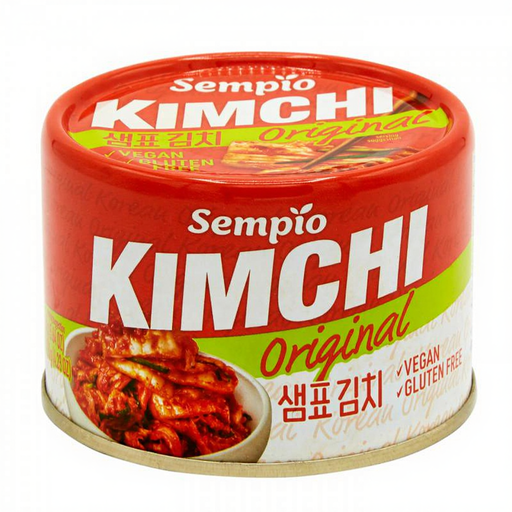
Why It Stands Out: This Sempio Kimchi is a purely plant-based version made without fish sauce or other animal products. It's based on a soybean seasoning sauce, making it an accessible option for many dietary preferences.
Pros:
Who It's For: Ideal for beginners, vegans, and anyone looking for a mild yet authentic kimchi option without animal ingredients. Its convenient packaging makes it a great companion for on-the-go meals or a quick lunch.
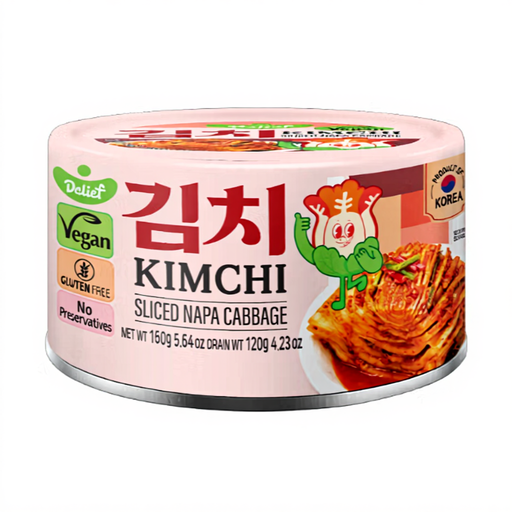
Why It Stands Out: This product offers a classic, robust flavor experience. The use of fish sauce provides a distinct umami note that is appreciated by connoisseurs of Korean cuisine.
Pros:
Who It's For: For lovers of traditional kimchi flavor who are looking for an authentic, spicy, and slightly tangy side dish. It is excellent for preparing dishes like kimchi stew (jjigae).
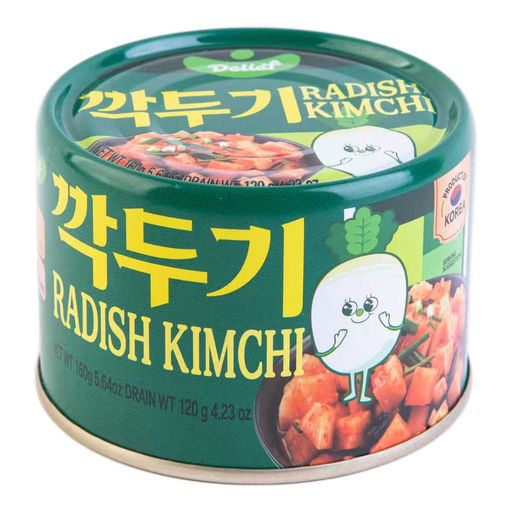
Why It Stands Out: As a kkakdugi (radish kimchi), this product offers a welcome change from the more common napa cabbage kimchi. The radish cubes maintain a remarkably crunchy texture even in the can.
Pros:
Who It's For: For anyone who wants to try an alternative to napa cabbage kimchi and prefers a crunchy texture. It pairs especially well with rich soups and grilled meats.
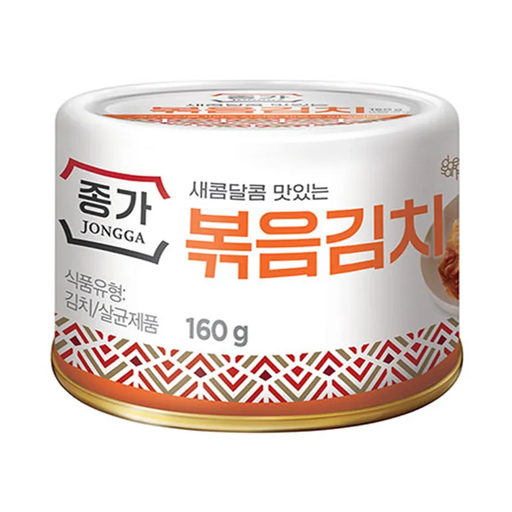
Why It Stands Out: This kimchi is roasted before canning, which gives it a deeper, slightly smoky, and more complex flavor profile. It is less sour than raw kimchi, making it particularly well-suited for cooking.
Pros:
Who It's For: For experienced kimchi enthusiasts and ambitious home cooks looking for an ingredient to add a special touch to their dishes. The roasted flavor makes it an excellent base for cooked meals.
Haven't found the right product in our selection, or want to explore more varieties? There is a wide range of shelf-stable Korean specialties that can enrich your pantry.
Discover more convenient 160g seasoning and side dish options in our collection.
Unopened, a can of kimchi can last for a very long time when stored in a cool, dry place—often for several years. You can find the exact best-before date on the packaging. After opening, the contents should be transferred to a sealed container, stored in the refrigerator, and consumed within a few days to maintain quality.
Canned kimchi and fresh, refrigerated kimchi are different. For preservation, canned kimchi is typically pasteurized (heat-treated). This process stops the fermentation, which can result in a consistent flavor and a softer texture. Fresh kimchi, on the other hand, continues to ferment, developing a more intense and sour taste over time. The main advantages of canned kimchi are its convenience, long shelf life, and consistent flavor.
Yes, absolutely. Canned kimchi is an excellent ingredient for cooking. It's perfect for making kimchi stew (kimchi jjigae), kimchi fried rice (kimchi bokkeumbap), kimchi pancakes (kimchi jeon), or as a spicy topping for noodles and burgers. Since it's already seasoned and cut, it also saves preparation time in the kitchen.