
Lieferung heute & morgen

Qualitätsgarantie

Willkommens-Angebote freischalten: KOSTENLOSE Lieferung | Bis zu 80 % RABATT | Kostenlose 30-Tage-JoyPlus-Testphase
App herunterladen
A BB cream combines tinted moisturiser, hydration, make-up and sun protection in one product, depending on the formula. That sounds convenient, but it can easily lead to the wrong expectations when you’re shopping. A light texture usually only partially covers redness, a high SPF doesn’t automatically replace a separate sunscreen, and a shade can look quite different on your skin than it does on screen.
This buying guide shows you which details really matter and which BB cream could suit different needs.
A BB cream with SPF 30 or SPF 50 can offer the stated UV protection. In everyday use, however, you often apply far too little. What’s more, make-up isn’t always reapplied regularly. For prolonged direct sun exposure, exercise or heavy sweating, a separate sunscreen is therefore advisable. The usage instructions on the packaging are what you should follow.
A BB cream for natural coverage is meant to even out your complexion without looking like a classic foundation. Depending on the formula, coverage ranges from sheer or light to medium or buildable. Individual spots, strong redness or pigmentation marks won’t always be fully concealed. For those areas, an additional concealer can be more practical.
Many Korean BB creams are available in a limited colour range. Names like “Fair Beige”, “Medium Ivory” or “Tan” give you a rough idea, but they don’t replace checking against your own skin tone and undertone. Test the colour on the transition from your cheek to your neck if possible, and check the result in natural daylight.
Look out for the terms light, medium, buildable or high. A light BB cream is ideal for a subtle office or casual look. A buildable formula can be used in thin layers and is more flexible when your complexion needs extra evening out in certain areas.
The finish also affects how suitable it is for daily wear:
With a BB cream with SPF, the stated sun protection factor should be clearly marked on the product. You’ll find options such as SPF 15, SPF 25, SPF 30, SPF 42 and SPF 50+. PA ratings like PA+++ or PA++++ come from Asian labelling and refer to UVA protection. For the UK market, you should also check the information on the packaging and the usage instructions.
A BB cream with sun protection is especially practical for your daily routine. For longer periods outdoors, you should plan separate protection and reapply it regularly.
A hydrating BB cream may contain ingredients such as glycerin, hyaluronic acid or sodium hyaluronate, panthenol, ceramides or plant oils. These ingredients describe the formulation, but they aren’t a blanket promise of effectiveness.
For sensitive skin, it’s worth taking a close look at:
A BB cream for sensitive skin should first be tested on a small area of skin. If irritation occurs, stop using it. For blemish-prone skin, “non-comedogenic” is only relevant if this property is explicitly stated. A BB cream is also not a medicine and does not treat skin conditions.
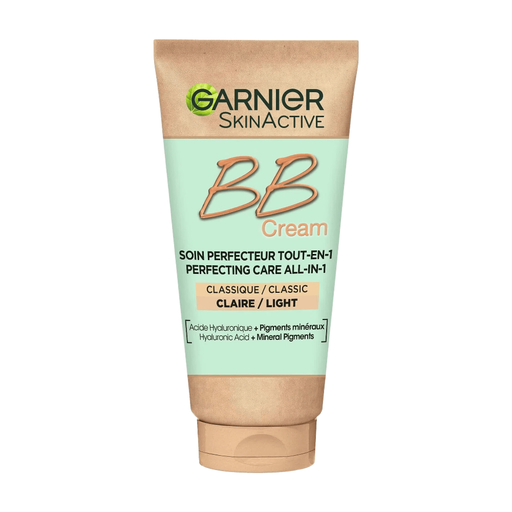
Why this product fits the profile: The 50 ml tube is straightforward for beginners and offers a tinted skincare product for daily use. The Medium shade is aimed at medium skin tones according to the product information.
The product description mentions an even appearance without a mask-like effect. For more noticeable imperfections, a separate concealer remains useful.
50 ml content, glycerin and sodium hyaluronate in the stated INCI list; for a simple, light complexion evening-out.
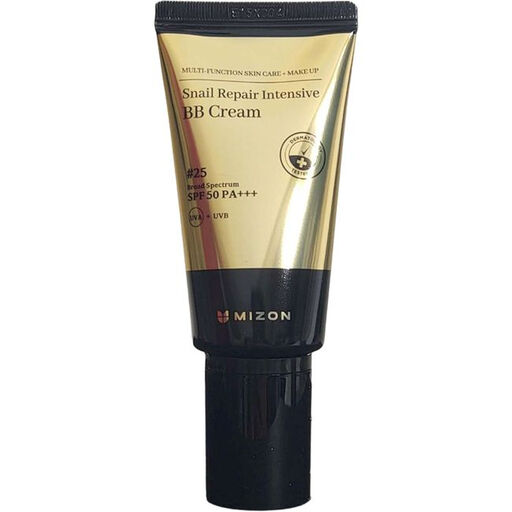
Why this product fits the profile: This Korean BB cream combines SPF 50, shade 25 and a buildable complexion correction according to the product information. That appeals to shoppers who want to compare skincare, colour and protection details in one product.
The stated shade and SPF value make comparison easier. Nevertheless, you should test the shade on a small area before full application.
SPF 50, PA+++ and a hyaluronic acid complex according to the product description; 50 ml content.
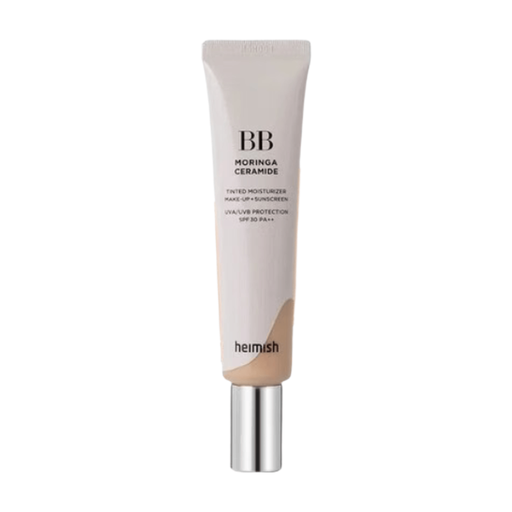
Why this product fits the profile: The creamy, buildable formula in shade 25 is aimed at users who want to switch between light and medium correction in their daily routine.
The product description explicitly mentions using a separate sunscreen for prolonged sun exposure. This means the SPF isn’t presented as the sole solution for every situation.
SPF 30, ceramides and moringa oil according to the product description; the coverage can be adjusted in layers.
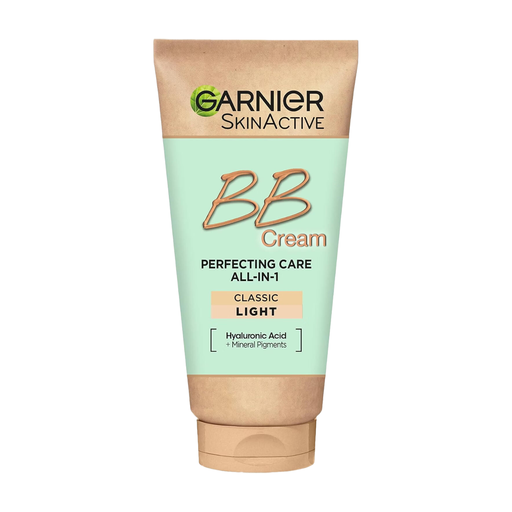
Why this product fits the profile: The product information mentions a light colour for combination and oilier skin, plus a mattifying finish. This makes the variant suitable for users who want to reduce shine.
The skin type and finish promise are more clearly defined than with a universal BB cream. For dry areas, you should still use a suitable moisturiser underneath.
SPF 25, hyaluronic acid and aloe vera powder according to the product information; 50 ml content and a mattifying finish.
We’ve put together a full, regularly updated list of products that meet these strict selection criteria and the safety regulations in force in the EU.
Apply the BB cream to cleansed skin after your daily moisturiser. Start by distributing a small amount on your forehead, cheeks, nose and chin, then blend it outwards. For more coverage, thin second layers are usually easier to control than applying a large amount all at once.
Look out for the PAO symbol on the packaging, for example “12M” or “24M”. It indicates the recommended period of use after opening. Smell, colour and consistency can also give you clues; if you notice any obvious changes, stop using the product. Keep the tube and cap clean and store them away from direct heat.
Not entirely. Both products can combine skincare and colour. However, depending on the formula, a BB cream also offers a defined level of coverage, a stated SPF or additional make-up properties. What matters are the specific product details.
Check the INCI list for fragrances, essential oils and your personal triggers. A short ingredient list isn’t automatically more tolerable. Test the product on a small area first and stop using it if irritation occurs. If problems persist, seek medical advice.
That depends on the PAO symbol, storage and usage. With daily application, a 30 to 50 ml tube often lasts several weeks to months, depending on how much you use. The expiry date and the manufacturer’s instructions on the packaging remain the deciding factors.