
Lieferung heute & morgen

Qualitätsgarantie

Willkommens-Angebote freischalten: KOSTENLOSE Lieferung | Bis zu 80 % RABATT | Kostenlose 30-Tage-JoyPlus-Testphase
App herunterladen
A BB Cream SPF 50 combines tinted skincare, make-up and high-level sun protection in one product. It sounds convenient, but buying one often leads to false expectations: not every BB cream with sun protection offers the same level of defence, the same coverage or the right shade. If you don’t match your skin type, colour tone and application method, you can easily end up with a product that looks patchy, is too dark or simply doesn’t provide enough protection for daily wear.
The sun protection factor primarily describes protection against UVB radiation. For everyday use, it’s also important to check whether the product offers specified UVA protection, for example through a PA rating or a corresponding note on the packaging. The level of protection also depends on the amount you apply. A thin layer of BB cream may not be enough to achieve the stated sun protection factor.
If you’re spending longer outdoors, sweating or drying off, you should reapply your sun protection. A BB cream does not automatically replace a separate sunscreen, especially when you expect intense UV exposure.
A BB cream for natural coverage might even out redness lightly, while another product with the same description could be significantly more pigmented. For individual blemishes or pronounced discolouration, you may need a concealer as well. If you’re looking for medium to stronger coverage, look out for terms like “buildable coverage” or “medium coverage”.
Names like “Light”, “Ivory”, “Medium” or “Deep” don’t follow a standard system. A number 21 in a Korean BB cream can be completely different from “Light Beige” in a European brand. Product images can also vary due to lighting and screen display. To make a better choice, look for specific shade names, multiple colour options and a returns policy.
For a tinted daily cream SPF 50, you should check at least the following details:
The sun protection factor is not a measure of colour longevity or coverage. Both properties need to be considered separately.
A hydrating BB cream often contains humectants such as glycerin, hyaluronic acid or panthenol. Ceramides may be included in the formula to support the skin barrier. However, that doesn’t mean every product is suitable for every skin type.
If you have sensitive skin, it’s worth checking the INCI list. Fragrances, essential oils or certain plant extracts can be undesirable for some people. A BB cream for sensitive skin should first be tested on a small area of skin. If you experience stinging, redness or a rash, stop using it.
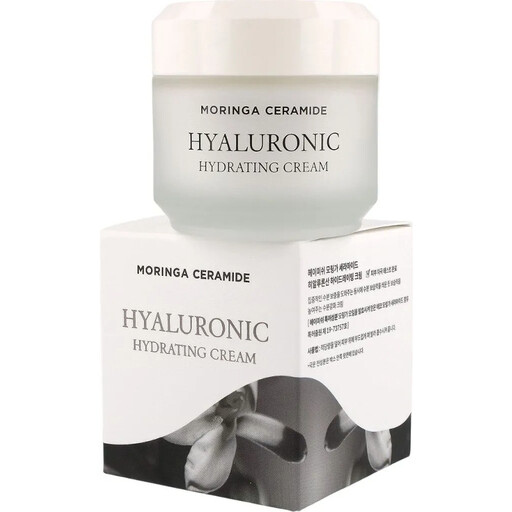
Why this product fits the profile: The lightweight gel-cream texture and the Fair Beige shade are ideal for anyone looking for subtle, buildable coverage for everyday wear.
The details state SPF 30, PA++ and a specific shade. This makes it easier to realistically assess the level of protection, rather than assuming SPF 50 across the board.
Moringa oil, ceramides and micro-hyaluronic acid are listed as ingredients; the coverage is said to be buildable.
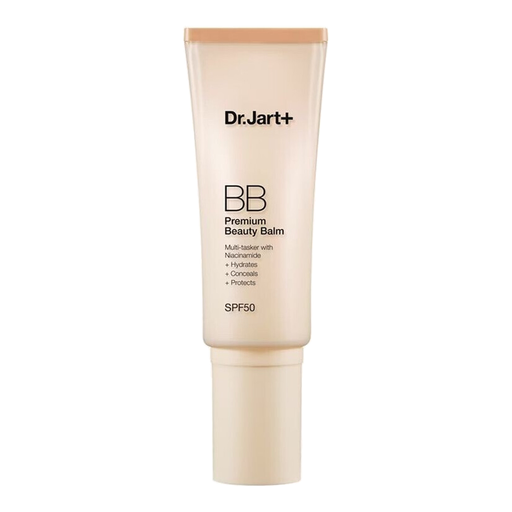
Why this product fits the profile: The Medium-Tan shade is aimed at those who need a medium to darker colour option in a Korean BB cream, with buildable coverage.
The shade, volume and SPF 50 are clearly stated. Fragrance ingredients are also listed, which makes selection easier for those with sensitive skin.
SPF 50, a natural finish and buildable coverage are combined in the product specifications.
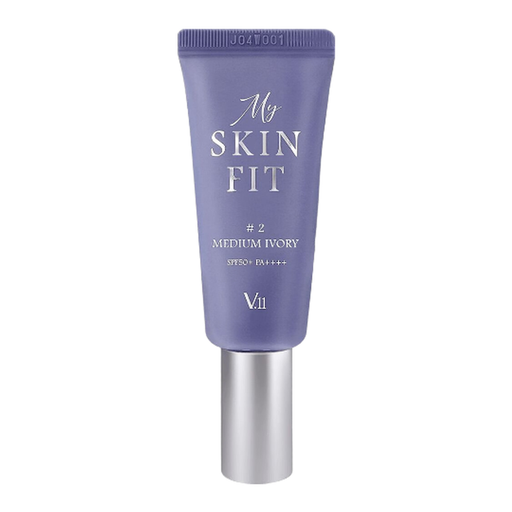
Why this product fits the profile: For daily commutes, the office and time in the city, this formula offers light to medium coverage in the Medium Ivory shade.
SPF 50+ and PA++++ are listed separately. The colour selection with several MY Skin Fit shades reduces the risk of an unsuitable one-size-fits-all colour.
Niacinamide, panthenol and centella asiatica extract are included in the stated formula; the texture is described as lightweight and blendable.
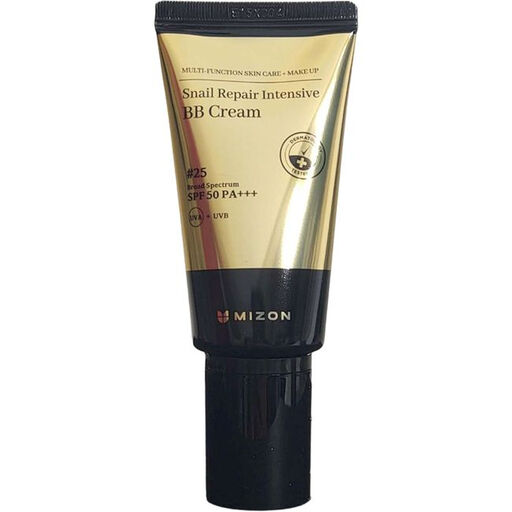
Why this product fits the profile: This Korean formula combines SPF 50 with a nourishing texture and is aimed at users who want to combine make-up with moisturising skincare.
The SPF 50 and PA+++ labelling makes the protection claims clear. Shade 25 should be compared with your own skin tone before buying.
Hyaluronic acid, glycerin and snail secretion filtrate are listed in the product description; it is applied as the last step of your morning routine.
We’ve put together a full, regularly updated list of products that fully meet these strict selection criteria and the safety regulations in force in the EU.
Apply the BB cream after cleansing and your usual skincare routine. Distribute a small amount evenly over your forehead, cheeks, nose and chin. For a more even result, use clean fingers, a sponge or a brush. With buildable coverage, several thin layers are usually easier to control than one thick layer.
The shelf life depends on the printed expiry date or the period after opening indicated on the packaging. Heat, direct sunlight and frequent exposure to air can affect the product’s properties. Changes in smell, colour or consistency are a reason to stop using the product.
That depends on the amount you apply, the stated UVA protection and the duration of sun exposure. For longer periods outdoors, a separately applied sunscreen product is usually easier to control. You can then use the BB cream for colour and additional coverage.
There is no universal colour scale. For fair skin, options like Light Ivory or Fair Beige may work, while Medium Ivory, Light Beige, Medium-Tan or Deep-Tan cover other ranges. What matters is the specific shade from each brand and how it matches your own undertone.
The symbol for the period after opening and the printed date are what you should follow. When stored correctly in a cool, dry place, the formula remains usable within this timeframe. If you notice visible changes, you should dispose of it.