
Lieferung heute & morgen

Qualitätsgarantie

Willkommens-Angebote freischalten: KOSTENLOSE Lieferung | Bis zu 80 % RABATT | Kostenlose 30-Tage-JoyPlus-Testphase
App herunterladen
A tinted day cream can simplify your daily routine: it combines moisturising care with colour and, depending on the product, can also offer sun protection, colour correction or medium coverage. Yet it’s precisely this versatility that often leads to the wrong purchase. If you only focus on the SPF or a radiant complexion, you can easily overlook the shade, finish and skin compatibility.
A CC cream with SPF or BB cream with sun protection may contain UV filters. However, the actual level of protection depends on the amount applied, how evenly it’s spread and whether you reapply. A thin layer worn as make-up does not automatically deliver the protection factor stated on the packaging. For prolonged sun exposure, it’s wise to use a separate sunscreen product with adequate protection.
The claim BB cream for all skin types doesn’t tell you whether the texture is comfortable enough for dry skin or light enough for oily skin. Ingredients such as glycerin, squalane, shea butter or hyaluronic acid can indicate a nourishing feel on the skin. Fragrances and essential oils, on the other hand, may be relevant for those with sensitivities. That’s why the full INCI list on the packaging remains essential.
A cream with “adaptive pigments” won’t adjust to every skin tone without limit. Be sure to check both the undertone and depth of colour. Descriptions such as Light, Medium, Cool, Warm or Neutral provide important clues. For darker skin tones, you should explicitly check the available shade, as some product lines only offer a limited range.
BB creams are often designed for light to medium, natural coverage. CC creams tend to focus more on visually correcting redness or an uneven complexion. However, the boundaries are fluid. What matters are the specific product details:
For more pronounced blemishes or individual pigmentation spots, a colour-correcting cream may not always be sufficient. A concealer applied to specific areas can complement the light base.
If you’re looking for foundation and skincare in one product, you should look beyond the marketing claims and examine the formulation. Glycerin, aloe vera juice, sodium hyaluronate or squalane are found in several of the products on offer. For mature skin, hydrating textures can feel more comfortable visually; however, an anti-ageing CC cream does not replace a specifically tailored skincare routine.
Fragrances such as parfum, limonene, linalool, geraniol or citronellol are listed in some formulations. If you have known sensitivities, it’s advisable to check the current packaging and perform a patch test on a small area of skin. If irritation occurs, discontinue use.
As well as the shade, compare the fill volume: the range includes sizes such as 15 ml, 30 ml, 32 ml, 40 ml and 50 ml. For occasional use, a smaller tube may be more practical; for daily use, the product’s yield is more important than the price per pack.
For an even result, apply the product in a thin layer after your skincare routine and blend from the centre of the face outwards. If you need more coverage, you can apply a targeted second layer rather than heavily coating your entire face.
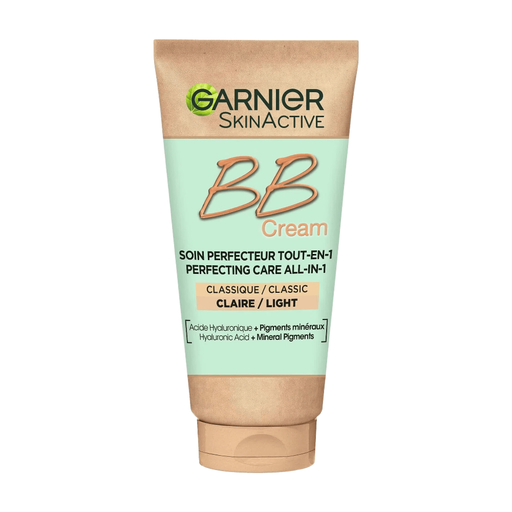
Why this product suits the profile: The 50 ml size and its described light, even finish make it a good choice for anyone looking for a straightforward tinted day cream for everyday wear.
The product description mentions a natural, even look without a mask-like effect. Still, check the available colour variant before buying, as the shade details on the product page may vary.
50 ml content; light texture; glycerin, aloe vera powder and sodium hyaluronate listed in the INCI.
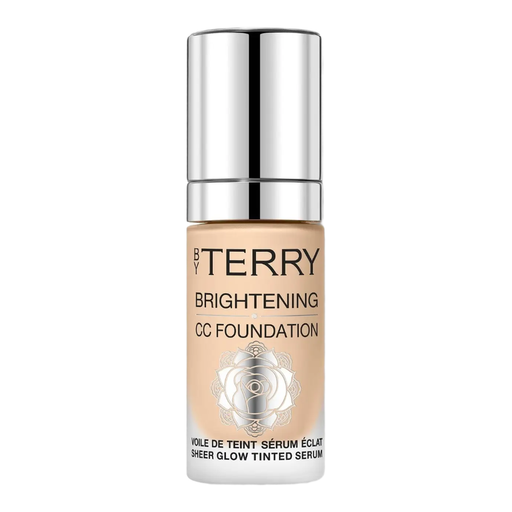
Why this product suits the profile: The neutral shade 3N, medium coverage and natural, radiant finish are designed for those who want to combine a skincare feel with a make-up effect.
The product details specify the exact shade, coverage and finish. This makes it easier to match your selection to your own undertone and desired level of coverage.
30 ml content; medium coverage; squalane, aloe vera juice, shea butter and sodium hyaluronate according to the product details.
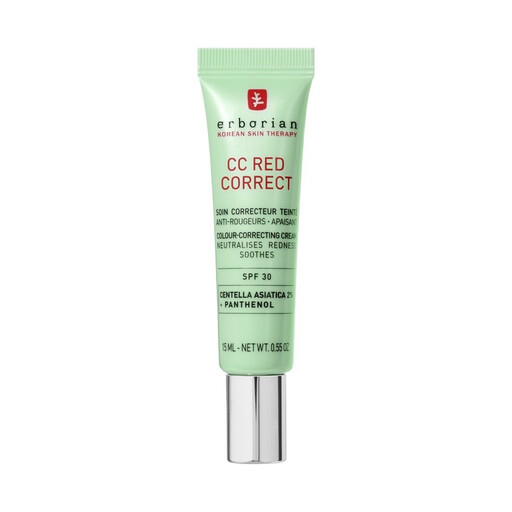
Why this product suits the profile: The green-tinted pigments and SPF 25 make this product appealing for anyone looking to visually neutralise redness and wanting a compact base or primer.
The colour correction is targeted at a specific purpose. The small 15 ml size allows you to test the compatibility and visual effect in a focused way first.
SPF 25 according to the product details; green pigments for visual colour correction; centella asiatica extract in the INCI list.
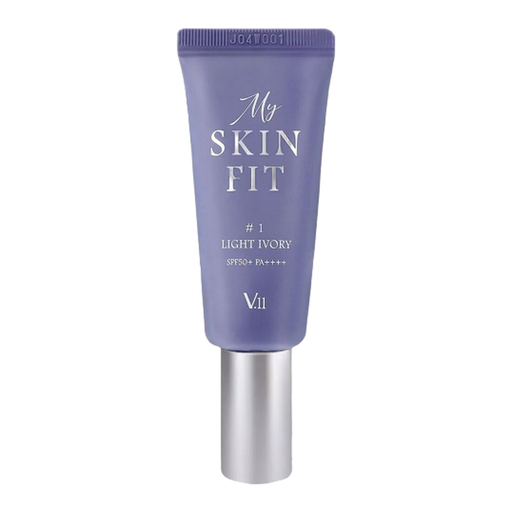
Why this product suits the profile: The light shade, light to medium coverage and stated SPF 50+ appeal to those looking for a compact everyday base with a higher sun protection factor.
The specific shade #1 Light Ivory reduces the risk of an unclear colour choice. For longer periods outdoors, you should still reapply sun protection according to the usage instructions.
20 ml content; SPF 50+ and PA++++ according to the product data; niacinamide, panthenol and centella asiatica extract listed.
We’ve put together a full, regularly updated list of products that fully meet these strict selection criteria and the safety regulations in force in the EU.
A BB cream usually combines light complexion correction with skincare and, where applicable, sun protection. A CC cream often focuses more on visually balancing out redness or an uneven skin tone. However, the specific coverage and formulation vary from product to product.
For light to medium coverage, a BB cream can be sufficient for everyday wear. If you need stronger coverage, you can combine it with concealer or a foundation. Just check that the finish and textures work well together.
The best-before date and the jar-open symbol on the packaging are what matter. Store the product in a dry, cool place away from direct sunlight. If the smell, colour or consistency changes, it should no longer be used.