
Lieferung heute & morgen

Qualitätsgarantie

Willkommens-Angebote freischalten: KOSTENLOSE Lieferung | Bis zu 80 % RABATT | Kostenlose 30-Tage-JoyPlus-Testphase
App herunterladen
A good BB Cream with SPF promises the perfect combination of skincare, light coverage, and daily sun protection. However, the market is flooded with products whose marketing claims often suggest more than the formula actually delivers. The result is buyer's remorse: the wrong shade, inadequate protection, or a feel on the skin that doesn't meet expectations.
This guide will help you identify the crucial features and avoid the typical pitfalls of buying, so you can find a tinted moisturiser with SPF that truly suits your needs and skin type.
Before you make a decision, you should be aware of the most common marketing traps that often lead to disappointment.
To avoid a poor purchase, focus on these three objective parameters.
The Sun Protection Factor (SPF) indicates how well a product protects against UVB radiation, which is responsible for sunburn. For everyday use in the UK, an SPF 30 is a solid baseline. For prolonged sun exposure or for fair, sensitive skin, SPF 50+ is the safer choice.
Protection against UVA rays is at least as important. Look for one of these two indicators:
A good BB cream is therefore always a lightweight foundation with sun protection that covers both.
Product names (BB Cream, CC Cream, tinted moisturiser) are often interchangeable. The details on coverage and finish are more relevant:
A high-quality tinted moisturiser with SPF is distinguished by a well-thought-out formulation. Take a look at the ingredient list:
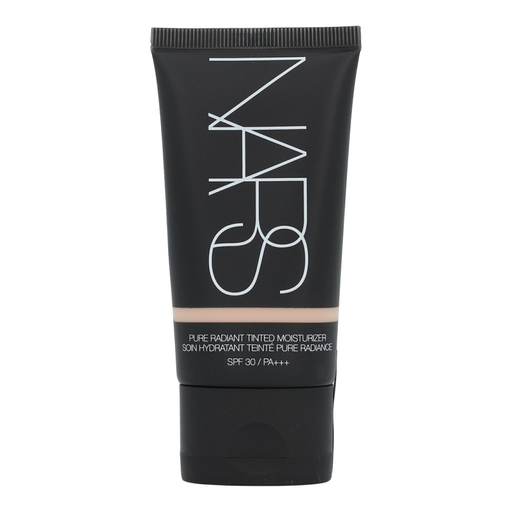
Why This Fits Their Persona: Ideal for users looking for a quick, all-in-one solution in the morning. The product combines moisture, light coverage for a fresh look, and solid, everyday sun protection in a single step.
This product avoids the inadequate protection trap with its clear declaration of SPF 30 and PA+++, signalling reliable broad-spectrum protection for daily use. The oil-free formula with Vitamin C also offers a genuine skincare benefit.
Delivers a radiant, natural finish without feeling heavy. The oil-free formulation is also well-suited for combination skin.
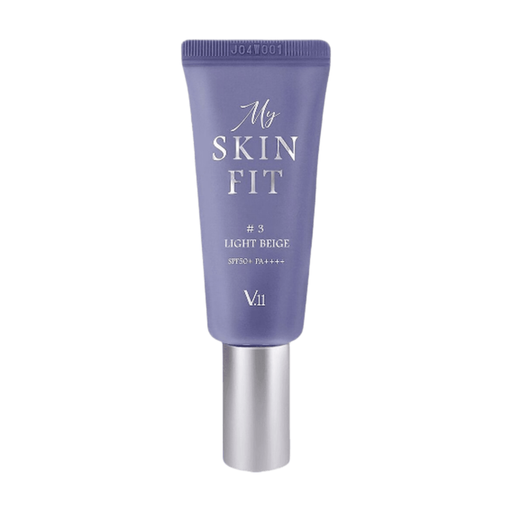
Why This Fits Their Persona: Perfect for anyone who refuses to compromise on sun protection while also wanting to benefit from nourishing ingredients. The focus here is clearly on maximum protection against photoaging.
This product counters the SPF trap with the highest possible protection level: SPF 50+ and PA++++. It also avoids the overhyped ingredients trap with a formula containing Niacinamide and Centella Asiatica, which are known for their effectiveness.
Offers very high broad-spectrum protection. The lightweight texture provides a natural finish and nourishes the skin with soothing ingredients.
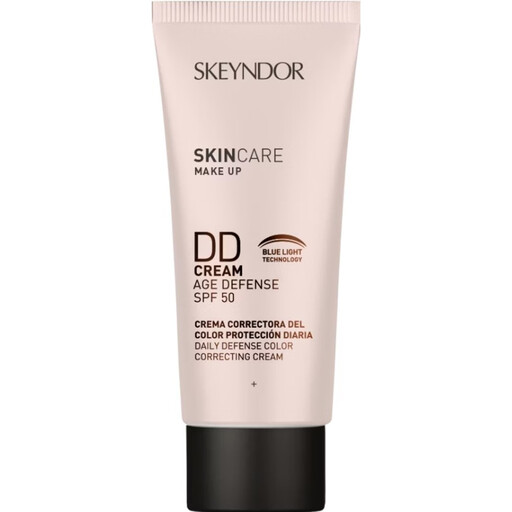
Why This Fits Their Persona: This DD Cream is aimed at users who want not only a tint and sun protection but also targeted care to reduce the signs of skin ageing. Its lightweight texture is designed to not settle into fine lines.
The 'Age Defense' formula with high SPF 50 and ingredients like Sodium Hyaluronate and Vitamin E goes beyond a mere marketing promise, offering a combination of high protection and proven skincare actives.
Combines very high sun protection with skincare targeted at mature skin. The formulation is suitable for all skin types.
We have compiled a complete, up-to-date list of products that fully meet these strict selection criteria.
It depends on the situation. For brief periods outdoors and normal daily life, a generously applied BB Cream with SPF 30 or higher can be sufficient. However, for prolonged and direct sun exposure, on a summer holiday, or during sports, it is safer to use a separate sunscreen as a base under your BB Cream. This is the only way to reliably achieve the full protection stated on the packaging.
The lines are blurry, but traditionally, these are the differences:
Choosing a shade online can be a challenge. Look for brands that offer clear descriptions of their shades (e.g., "light with neutral undertones"). Many brand websites offer digital "Shade Finder" tools. Another helpful method is to search for images or videos ("swatches") of people with a similar skin tone to yours. When in doubt, it's often better to choose a shade that is slightly too light, as it's easier to adjust than one that is too dark.