
Lieferung heute & morgen

Qualitätsgarantie

Willkommens-Angebote freischalten: KOSTENLOSE Lieferung | Bis zu 80 % RABATT | Kostenlose 30-Tage-JoyPlus-Testphase
App herunterladen
A BB cream with SPF combines several steps of your morning routine: moisturising, evening out your complexion, make-up and UV protection. It sounds convenient, but when it comes to buying one, it’s easy to end up with the wrong expectations. Not every product marketed as a “Beauty Balm” or Korean BB cream will suit your skin type, shade or intended use.
The rating SPF 30 or SPF 50 describes the level of protection under standardised test conditions when enough product is applied. In everyday use, however, a BB cream is often applied more thinly than a traditional sunscreen. As a result, the actual protection you get may be lower.
For longer periods outdoors, during exercise or near water, you should therefore use a separate sunscreen and reapply it as directed on the product. A BB cream with SPF is best suited as part of your daily facial routine.
“Light”, “Medium” or numbers like 21 and 27 are not standardised European colour codes. A shade can look noticeably more rosy, yellow or grey depending on your undertone. Coverage also varies: a light BB cream subtly evens out redness and imperfections, while a more heavily pigmented formula offers fuller coverage for visible areas.
So before you buy, check the following:
Ingredients such as niacinamide, panthenol, centella asiatica, ceramides or hyaluronic acid are often highlighted. They can enhance the formulation depending on the product, but they are not a universal guarantee of a specific effect for every person. If you have sensitive skin, you should consider the full INCI list, any fragrance and your personal intolerances.
A patch test on a small area of skin can be a good idea before regular use. If irritation occurs, stop using the product.
A BB cream SPF 30 can be a good choice for short trips and a typical office day. A BB cream SPF 50 or SPF 50+ offers a higher stated UVB protection level according to the product labelling. However, that doesn’t mean you can skip reapplying or using additional sun protection during longer exposure.
Also look out for ratings like PA+++ or PA++++. This marking is mainly used on Asian products and refers to UVA protection. The rating is not identical to every European labelling system. So when buying, you should rely on the information on the packaging and the usage instructions for each product.
A moisturising BB cream with ceramides, moringa oil or humectants can be suitable for normal to dry skin. Light, silicone-based textures are often described as easy to blend and can feel comfortable on combination skin. However, how it feels on your skin also depends on your base skincare, the climate and your application technique.
For a BB cream for sensitive skin, short, clear INCI lists without any personal problem ingredients are especially important. “Hypoallergenic” or “dermatologically tested” should not be taken as a guarantee that it will suit you personally.
After your skincare routine, apply BB cream in small amounts to your forehead, cheeks, nose and chin. Then blend it out with your fingers, a brush or a sponge. For more coverage, you can apply a thin second layer over any red areas.
The period after opening, expiry date and batch number are printed on the packaging. Heat, direct sunlight and frequent opening can affect the product’s quality. So store the tube in a dry place away from direct sunlight.
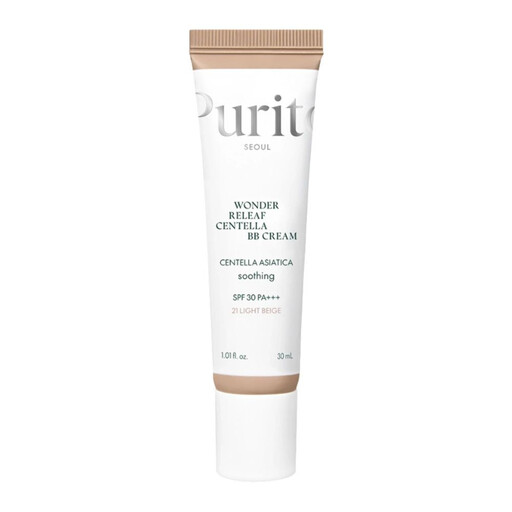
Why this product fits the profile: This variant combines SPF30 PA+++ with natural coverage and shade 21 Light Beige. Centella Asiatica, panthenol and niacinamide are listed in the product description.
The specific shade number makes it easier to choose compared to vague descriptions. The SPF rating is clearly stated and does not replace additional sunscreen during longer exposure.
SPF30 PA+++, lightweight texture, natural finish and centella asiatica extract according to the product details.
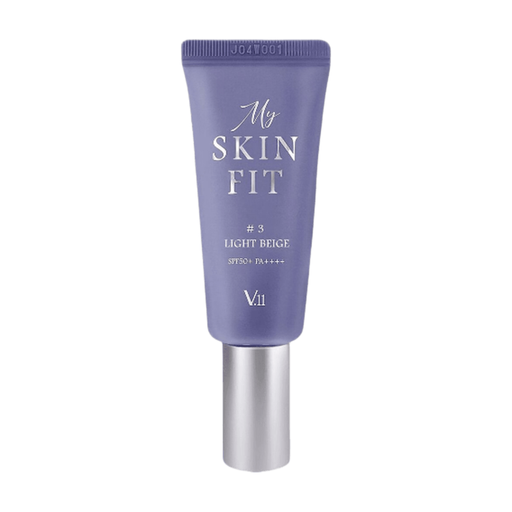
Why this product fits the profile: This BB cream offers SPF 50+ PA++++, light to medium coverage and shade #3 Light Beige. Niacinamide, panthenol and centella asiatica are listed in the product description.
The labelling of SPF, PA level, volume and shade makes objective comparison easier. For sensitive skin, the listed fragrance information should be taken into account.
SPF 50+ PA++++, blendable texture and a natural, radiant finish according to the manufacturer.
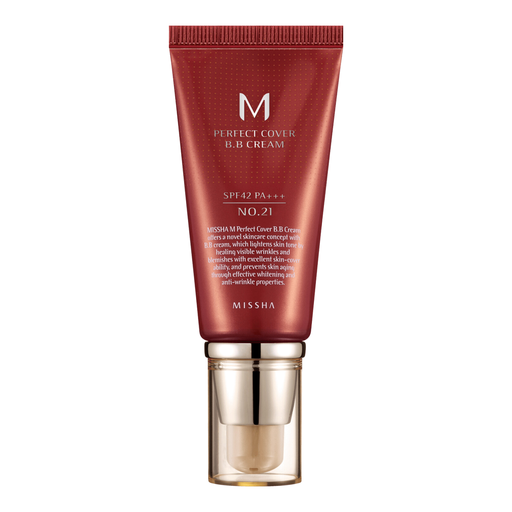
Why this product fits the profile: With 50 ml of product, SPF42/PA+++ and stated higher coverage, this variant is suitable for those who want to even out redness and imperfections more thoroughly.
The coverage level is clearly stated and not just described with a vague “perfecting” promise. With daily use, longevity and shade still need to be checked individually.
50 ml volume, SPF42/PA+++ plus hyaluronic acid and ceramides according to the product description.
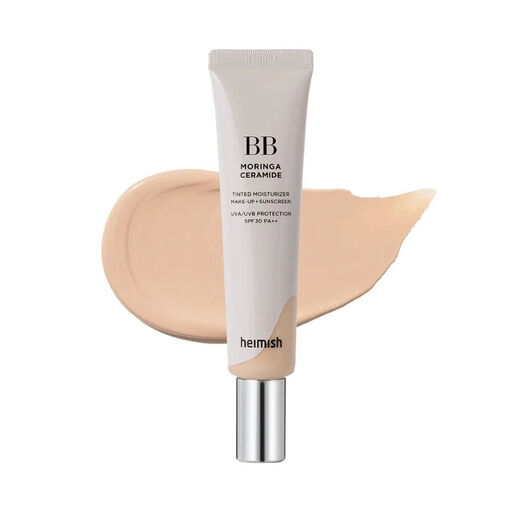
Why this product fits the profile: Shade 21 Light Beige is designed for fair to light medium skin tones. The buildable coverage and SPF30 PA++ make it suitable for straightforward daily use.
The shade selection is clearly named, while the coverage can be built up in layers. For sensitive skin, a patch test beforehand is recommended due to individual reactions.
SPF30 PA++, buildable natural coverage plus moringa oil and ceramides according to the product details.
We’ve put together a full, regularly updated list of products that meet these strict selection criteria and comply with EU safety regulations.
For short daily trips, it can be part of your routine. Because BB cream is usually applied more thinly, it should not be relied upon as your sole protection during longer sun exposure. A separate sunscreen and regular reapplication are advisable then.
Look for specific descriptions like Light Ivory, Light Beige or shade numbers such as 19 and 21. Since Korean shade names are not fully standardised, you should match the shade as closely as possible to your neck and undertone.
The printed expiry date and the PAO symbol (period after opening) are what matter. If the smell, colour or consistency changes, stop using the product. Store the tube in a dry, closed place away from direct sunlight.