
Lieferung heute & morgen

Qualitätsgarantie

Willkommens-Angebote freischalten: KOSTENLOSE Lieferung | Bis zu 80 % RABATT | Kostenlose 30-Tage-JoyPlus-Testphase
App herunterladen
Anyone looking to buy BBQ sauce and grill seasoning will find a wide range of barbecue sauces, BBQ rubs, marinades and grilling spice blends in shops. Product names alone, however, reveal little about whether a sauce is suitable for beef, pork, fish, vegetables or side dishes. The key factors are the ingredients, heat level, consistency, salt and sugar content, and intended use.
A smoky grilling sauce may derive its character from smoked salt, smoke flavouring, spices or a combination of these ingredients. The term does not define the intensity. If you are looking for a sauce for ribs or burgers, you should therefore check the ingredients list and nutritional information. Tomato purée, molasses, vinegar and spices often indicate a classic American flavour profile.
Sugar, honey, syrup and fruit purée give a BBQ marinade a sweet note. However, these ingredients can darken quickly when exposed to direct, high heat. A sauce for marinating should therefore either be dabbed off beforehand or applied towards the end of grilling. For example, the recommended use for Bull’s-Eye Original BBQ Sauce is during the final 10 to 15 minutes.
“Spicy”, “chilli” and “pepper” are not standardised heat levels. Checking the ingredients can help you assess the flavour: chilli, jalapeño, cayenne pepper, chipotle and ancho chilli each bring different aromas and levels of heat. In a dry rub, salt is also often high up on the ingredients list. This is important when deciding how much to use, particularly with delicate or pre-seasoned foods.
The ingredients list shows whether a product is primarily sweet, savoury, salty, fruity or rich in umami. In Asian sauces, soy sauce, miso, sesame, garlic, ginger and fermented ingredients often play a defining role. Allergens must be highlighted on the label. For the products mentioned here, these include soya, wheat, mustard, sesame and fish, among others.
The nutrition table also deserves attention. According to the product information, Daisho Grilled Eel Sauce contains 42 g of sugar and 6.8 g of salt per 100 g. Daisho Yakiniku Ichiban Garlic BBQ Sauce contains 9.9 g of salt per 100 g. These figures are not a measure of quality, but they can help with planning suitable portion sizes.
Consistency affects how a product is used. A thick sauce adheres better to ribs or vegetables, while a thinner marinade penetrates sliced meat more easily.
For occasional barbecuing, a 220 to 300 ml bottle may be sufficient. Households that barbecue regularly are more likely to choose 400 to 500 ml bottles or dry blends with a longer shelf life. Many sauces need to be refrigerated after opening. For example, Daisho Grilled Eel Sauce should be refrigerated and used within four weeks. Bull’s-Eye Original BBQ Sauce is also recommended to be refrigerated after opening and consumed within three months.
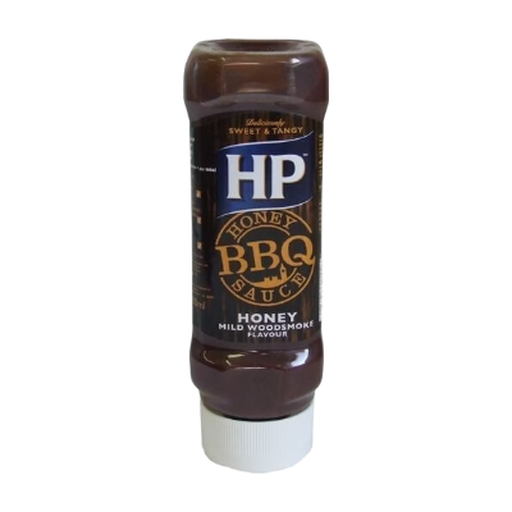
Why this product suits this profile: The 465 g bottle is ideal for households looking for a versatile, milder barbecue sauce for grilled food, dipping and marinating.
The product information specifically lists honey, tomato purée, vinegar and smoke flavouring. This makes it easier to assess the sweet, smoky profile before buying.
465 g contents; vegetarian according to the product description, and free from artificial colourings and preservatives.
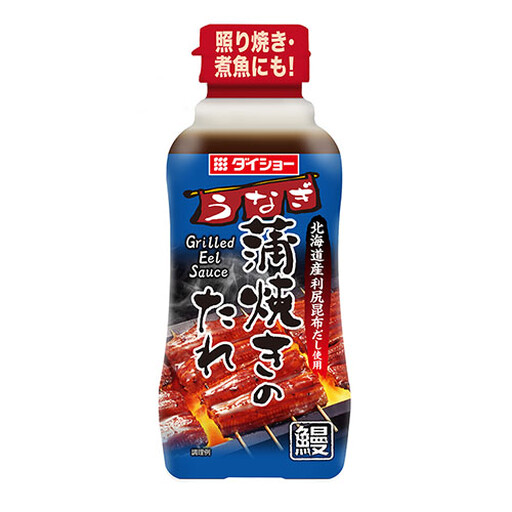
Why this product suits this profile: This Japanese BBQ sauce is designed to create a thick, glossy glaze with a sweet, savoury umami profile.
The intended use is clearly described: as a glaze during the final stage of grilling, or as a sauce with rice and fish. This helps prevent applying it too early over high heat.
Made in Japan and suitable for fish, meat and vegetables; contains soya, wheat and fish.
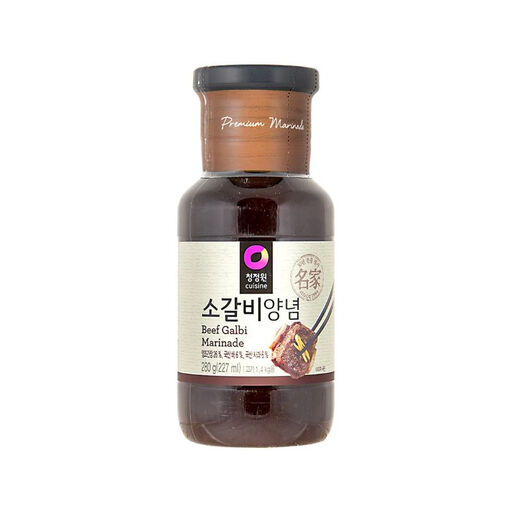
Why this product suits this profile: This Korean BBQ marinade is designed for beef and combines soya sauce, garlic, apple purée and black pepper.
The recommended quantity of 90 g of marinade for 450 g of meat makes portioning easier and avoids guesswork.
280 g contents, ready-to-use recipe and country of origin listed as South Korea; contains soya and wheat.
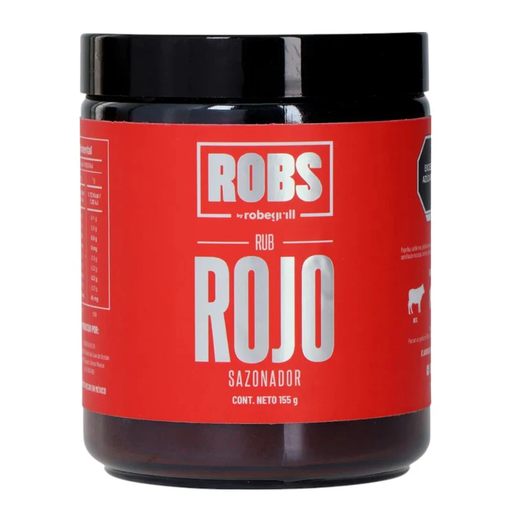
Why this product suits this profile: This rub is suitable for dry-seasoning meat and vegetables, combining paprika, jalapeño, pepper, garlic and cumin.
The individual spices and the 5% jalapeño content are specified. This makes it easier to control the seasoning than with an ambiguously labelled “BBQ blend”.
155 g contents and versatile use with meat and vegetables; contains mustard seeds.
We have put together a complete, regularly updated list of products that fully meet these strict selection criteria and the safety regulations applicable in the EU.
Classic smoky grilling sauces, steak sauce, pepper sauces and robust garlic or soya sauces are all suitable for beef. Bull’s-Eye Steakhouse BBQ Sauce contains paprika, onions and mustard, among other ingredients. For a Korean-inspired flavour profile, you can use a Galbi marinade with soya sauce, garlic and fruit purée.
Sugar-rich sauces should generally be applied during the final stage of grilling so that the surface does not brown too much. They can be served as a dip at any point, independently of the grilling process. A liquid marinade should be left to infuse sufficiently before cooking; the exact marinating time depends on the product instructions and the food being prepared.
This depends on the product, packaging and storage instructions. Refrigeration is often required after opening. The best-before date, information on the packaging, and the product’s smell, appearance and consistency are the key indicators. If there are visible changes, the product should not be used.