
Lieferung heute & morgen

Qualitätsgarantie

Willkommens-Angebote freischalten: KOSTENLOSE Lieferung | Bis zu 80 % RABATT | Kostenlose 30-Tage-JoyPlus-Testphase
App herunterladen
BBQ seasonings and sauces make it easy to add flavour to grilled meat, poultry, vegetables and ribs. The choice ranges from dry BBQ seasoning and BBQ rubs to ready-made barbecue sauce. That variety can make comparing products tricky: an eye-catching label tells you little about the salt, sugar or allergen content.
So if you want to make an informed choice, look beyond the flavour or country of origin. What matters is how you plan to use it, the ingredients, nutritional information, pack size and recommended method of use.
A smoky flavour can come from smoked spices, smoked salt or smoke flavouring. Check the ingredients list to see which one is used. Bull’s-Eye Original BBQ Sauce, for example, lists tomato concentrate, sugar, molasses, spices and smoke flavouring among its ingredients. That’s a different blend from a dry rub made with paprika, pepper and garlic.
BBQ sauces often contain sugar and need to be refrigerated after opening. If you only barbecue occasionally, check how soon the sauce should be used once opened. A larger bottle may make sense if you have regular barbecues, while smaller packs or dry seasoning blends are often easier to use up if you barbecue less often.
A hot BBQ seasoning can also contain a lot of salt. Chaowang BBQ Seasoning Sprinkle Spicy Flavor, for example, lists salt, sesame, chilli powder, cumin and Sichuan pepper. Its nutritional information shows 29,68 g of salt per 100 g. It’s worth comparing rubs too: according to the product information, Robs Lemon Pepper Rub contains 65,88 g of salt per 100 g. Make sure the amount you use suits your choice of meat and the other seasonings in your recipe.
The ingredients list can help you choose between classic barbecue seasoning and flavours inspired by other cuisines:
Look out for allergens that must be declared, such as soya, wheat, mustard and sesame. According to the product information, O’Food Korean BBQ Galbi Marinade contains soya and wheat. Daisho Yakiniku Ichiban Garlic BBQ Sauce also contains sesame. Check any ‘may contain’ warnings too.
Salt is often a key ingredient in dry blends. With ready-made sauces, sugar is often the main thing to watch. Bull’s-Eye Original BBQ Sauce contains 33 g of sugar per 100 g, while HP Honey Woodsmoke Barbecue Sauce contains 38 g of sugar per 100 g. This matters when you’re cooking, as sugary sauces can caramelise or burn more quickly over high heat.
Check whether the product should be sprinkled straight on, mixed with oil or used as a marinade. Chaowang recommends using 30 g of seasoning per 500 g of food and leaving it to marinate for 30 to 60 minutes. O’Food Korean BBQ Galbi Marinade recommends 90 g of marinade per 450 g of meat. These guidelines make it easier to work out how much you need and help prevent over-seasoning.
With sauces, timing matters. Bull’s-Eye recommends applying the sauce only during the last 10 to 15 minutes of grilling. This helps reduce the risk of the sugary ingredients burning.
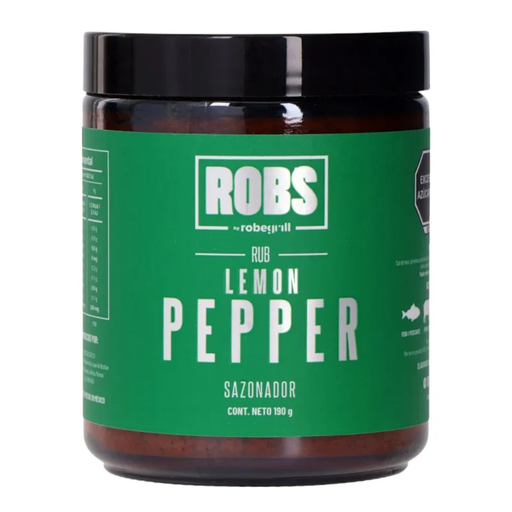
Why this product suits this style: This dry blend can be sprinkled straight onto meat, poultry or vegetables, with no mixing required. Lemon powder, black pepper, garlic and onion create a distinctive flavour.
The ingredients and salt content are clearly listed. This makes it easier to factor the seasoning into your recipe and use a lighter hand if needed.
190-g pack, no-mix application and a combination of lemon and pepper.
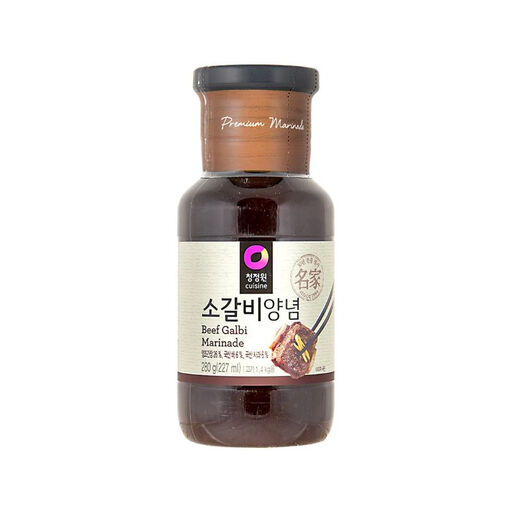
Why this product suits this style: This ready-to-use Korean BBQ marinade is designed for beef and galbi dishes. It saves you having to mix soya sauce, garlic, pepper and sweetening ingredients yourself.
The recommended amount of 90 g per 450 g of meat makes it easier to portion evenly. Allergens such as soya and wheat are listed.
280-g bottle, ready-to-use recipe and a clear focus on Korean BBQ beef.
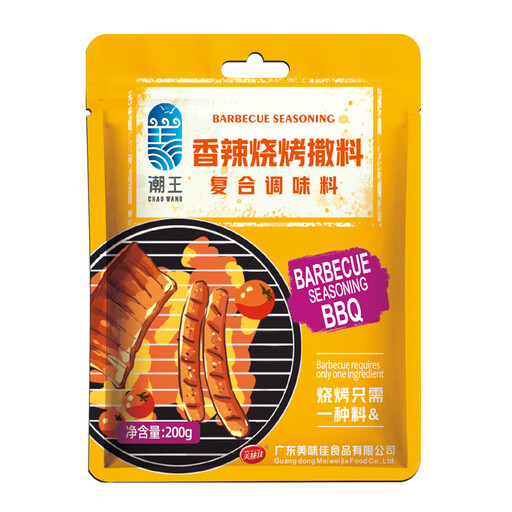
Why this product suits this style: According to the product information, the blend can be sprinkled on, mixed with oil to make a basting sauce or used as a marinade. Chilli powder, cumin, sesame and Sichuan pepper give it an Asian-inspired flavour.
The three suggested uses and the ratio of 30 g per 500 g of food are clearly specified. Check the sesame and soya information before buying.
200-g pack and versatile enough for meat, vegetables and grilled dishes.
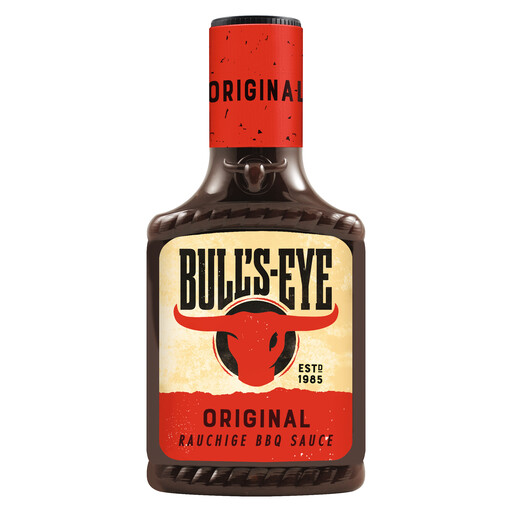
Why this product suits this style: According to the product description, this thick sauce is ideal for glazing ribs and poultry, as well as serving as a dip for burgers and chips.
The instructions recommend adding the sauce during the last 10 to 15 minutes of grilling. This avoids exposing it to direct heat for longer than necessary.
300-ml bottle, smoky flavour and several ways to use it.
We’ve put together a comprehensive, regularly updated list of products that meet these strict selection criteria and fully comply with the safety regulations in force in the EU.
Store dry seasoning blends in a cool, dry place away from light. Rubs may clump, but according to some product information, you can break up the clumps by shaking the pack. Seal the packaging tightly again after opening.
Refrigerate liquid marinades and BBQ sauces after opening if the packaging says to do so. Use separate utensils for raw meat and cooked food. Don’t serve marinade that has come into contact with raw meat as a dip unless it has been cooked.
A BBQ rub is a dry seasoning blend to rub into food or sprinkle over it. A BBQ marinade is liquid, or a powder mixed with liquid, and is left to soak into the food before cooking. Some products can be used both ways, so check the label for specific instructions.
Sugary sauces are often best added towards the end of grilling. For Bull’s-Eye Original BBQ Sauce, the recommendation is to add it during the last 10 to 15 minutes. The exact timing depends on the barbecue temperature, the thickness of the food and how browned you want it.
It depends on the product. Some manufacturers recommend refrigerating the sauce and using it soon after opening. Always follow the best-before date and storage instructions on the packaging, and check for changes in smell, colour or consistency.