
当日/次日达

品质保障

开启新人专享福利: 全场免邮 | 低至 2 折 | 免费试用 30 天 JoyPlus 会员
下载 Joybuy
BBQ spices and marinades can quickly add flavour to meat, poultry, fish, grilled vegetables and tofu. But there are clear differences between BBQ seasoning, BBQ rub, barbecue spice mix, grill marinade and BBQ sauce. If you focus only on terms such as ‘authentic’, ‘smoky’ or ‘extra spicy’, it’s easy to overlook important details about salt content, allergens, sugar levels and how to use the product.
This guide explains what BBQ fans, home cooks, food businesses and caterers should look out for when shopping.
A smoky flavour can come from smoked paprika, spices such as chipotle or a stated smoke flavouring. The ingredients list makes the difference clear. For example, Kotányi Smoked Paprika Powder lists paprika as an ingredient and is described as a ground, smoked variety. A BBQ sauce, on the other hand, may also contain ‘Smoke Flavoring’.
So, if you’re looking for a seasoning for meat or grilled vegetables, check whether the smoky flavour comes from a single ingredient or a complex blend.
Many marinades and rubs contain significant amounts of sugar, salt or both. Mama Sita’s Spice Mix BBQ Marinade contains 14.2 grams of salt per 100 grams. According to the product information, Weimen New Orleans BBQ Seasoning contains 25 grams of salt per 100 grams, while Beksul Korean BBQ Marinade for grilled pork contains 5.2 grams of salt per 100 grams.
These figures refer to the product itself, not necessarily the amount you’ll actually eat. Even so, they’re useful for comparing products. If you’re buying larger packs for food service or catering, it’s worth checking the recommended amount per quantity of meat or vegetables.
A dry BBQ rub is rubbed directly onto the surface of the food. A grill marinade is usually mixed with the food and needs time to work. A BBQ sauce is more often used for basting, dipping or adding extra flavour. If you apply a sweet sauce too early over high heat, the sugars can caramelise on the surface more quickly or burn.
So, check that the usage instructions suit the way you plan to cook: season directly, mix with oil or water, marinate for at least 30 minutes, or apply towards the end of grilling.
The ingredients list matters more than the product name. Asian BBQ seasonings often contain soya, wheat, sesame, peanuts or celery. Beksul Korean BBQ Marinade contains soya and wheat and, according to the product information, may contain traces of fish, peanuts, milk, celery, mustard and sesame. O’Food Korean BBQ Galbi Marinade for beef also contains soya and wheat.
If you have a known allergy, always check the packaging. Recipe ideas and product descriptions are no substitute for the definitive allergen information on the label.
A spicy BBQ seasoning may contain chilli, cayenne pepper, chipotle or chiltepin. How hot it tastes depends on the quantity, variety and recipe. Robs Spicy BBQ Rub contains chipotle, chiltepin chilli and cayenne pepper, among other ingredients. For a milder profile with smoky-sweet notes, try smoked paprika or a BBQ sauce with honey and tomato.
Pay particular attention to the amount you use with sweet marinades. According to the nutritional information, Beksul Korean BBQ Marinade contains 18 grams of sugar per 100 grams, while O’Food Galbi Marinade contains 30 grams. A smaller amount may be enough for vegetables or lean food for the BBQ.
Small packs of 35 to 100 grams are ideal for trying something new or making a single dish. Larger tubs and bottles mean fewer repeat purchases if you BBQ regularly. Weimen New Orleans BBQ Seasoning is available in a 1 kg pack and, according to the product information, is suitable for meat, poultry and vegetables.
Store dry spices in a cool, dry place away from direct sunlight. Once opened, liquid marinades and sauces should be kept in the fridge if the manufacturer recommends it. For products such as Beksul, O’Food and Daisho, refrigeration after opening is recommended.
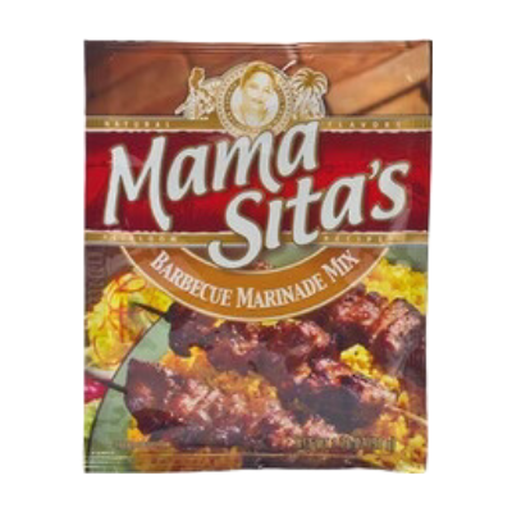
Why this product suits this profile: The 50g pack is ideal for a one-off BBQ or for trying a sweet and savoury marinade mix. Simply mix and leave to marinate.
The ingredients, nutritional information, allergens and a specific storage recommendation are listed, making it easier to assess the mix before you buy.
50g pack; blend of sugar, garlic, salt and black pepper; store in an airtight container after opening.
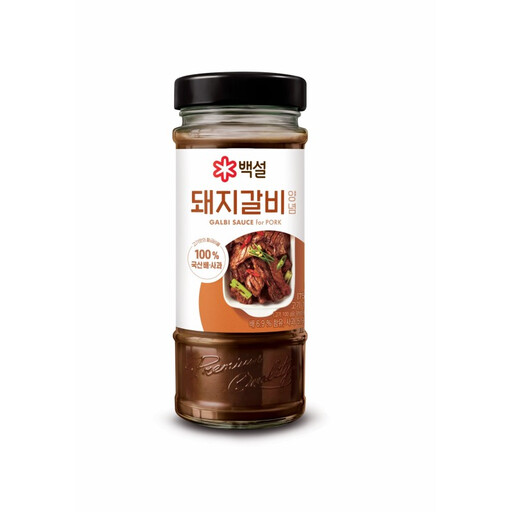
Why this product suits this profile: This ready-to-use sauce is made for pork and combines soya sauce with pear, apple, garlic, onion and ginger.
The recommended marinating time is clearly stated: at least 30 minutes, preferably several hours. Allergen information and refrigeration instructions for after opening are also provided.
500g pack; ready-to-use recipe; suitable for grilling, frying and braising; soya and wheat are listed as allergens.
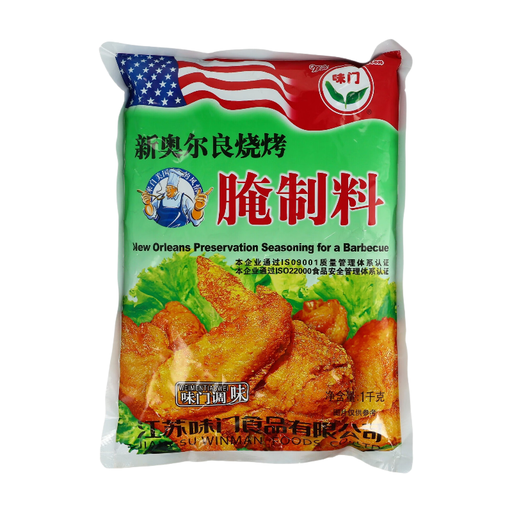
Why this product suits this profile: This large pack is aimed at frequent users, caterers and food businesses. Use it as a dry rub or mix it into a marinade for meat and vegetables.
The product information gives specific quantities: 30–50g per 500g of meat and around 20g per 500g of vegetables. This makes it easier to work out how much you’ll need.
1kg pack; suitable for meat, poultry and vegetables; use as a dry mix or paste; contains soya and wheat.
We’ve put together a complete, regularly updated list of products that meet these strict selection criteria and the safety regulations in force across the EU.
It depends on the product and the food. Beksul recommends at least 30 minutes, preferably several hours. For marinade use, Weimen recommends at least two hours and says you can leave it overnight. Always follow the specific instructions on the packaging.
A BBQ rub is a dry spice mix that you rub directly onto the food. A grill marinade is liquid or mixed with water or oil. It coats the food differently and usually needs time to work. BBQ sauce is often used for dipping or basting during or after grilling.
Spice mixes containing paprika, garlic, onion, pepper, herbs or Asian spices work well with grilled vegetables. If a blend is high in salt, start with a small amount. Oil helps dry spices stick to courgettes, peppers, mushrooms or sweetcorn. When choosing a Korean BBQ marinade or Japanese BBQ sauce, pay particular attention to the allergens and sugar content.