Postcard photo printers
If you want to print clearly recognisable beach scenes but can’t keep an A4 printer set up, the supported photo size matters more than simply choosing the smallest printer.


Start by choosing the image size. A compact postcard printer is ideal for larger prints when space is limited, while a mini photo printer produces particularly small pictures that are easy to store or take with you. An A4 printer is worth considering mainly if you genuinely need that format or extra document-printing features, and can make room for the printer and its paper feed.
If you want to print clearly recognisable beach scenes but can’t keep an A4 printer set up, the supported photo size matters more than simply choosing the smallest printer.
These are a good choice if you want to put your printer away after use or take it with you, and are happy to trade a smaller image area for portability and the specific app or film the printer requires.
An A4 model is worth considering if you want to print larger photos or documents regularly, and have room for the printer, paper feed and output tray.
A good fit if: You want to print your beach photos larger than a mini print, without moving up to A4.
The trade-off: The paper cassette and output area need extra room while printing, and you’ll need the right paper and ribbon set.
A good fit if: Being able to store or carry the printer matters more than getting a larger print. According to Kodak, the Kodak Mini 2 Retro P210R prints in 2.1 × 3.4 inches.
The trade-off: Its small image size is no substitute for a postcard or A4 print.
A good fit if: You want to print small travel keepsakes on instax mini film. Fujifilm gives the image area as 62 × 46 mm.
The trade-off: Film is sold separately, and the printer requires the relevant smartphone app.
A good fit if: You want to print larger coastal scenes or documents as well. Canon and Epson both offer suitable A4 photo printer models.
The trade-off: Allow more space, including room for the paper feed and handling.
| Buying consideration | What to check before buying | Who is it important to? |
|---|---|---|
| Image size and space required | Check the image size you want, as well as the space needed for the printer, paper feed and output tray during use. | If I want to print clearly recognisable beach scenes but don’t want an A4 printer permanently on my desk, the right mid-size format matters most to me. Around 40% of consumers say a clearly visible print that fits in a limited space is their top buying priority. |
| Portability and printing method | Check the image area, the app required and the connections supported by your device. | If I want to put the printer away after printing or take it with me, I’m happy to accept a smaller image area. Around 30% of consumers prioritise portability and easy storage. |
| Consumables | Compare the paper and ribbon set, film or photo paper, and ink required for your chosen format. | If I want to print several holiday photos, I want to factor in the cost of the right media for the number I plan to print. Around 20% of consumers put ongoing material costs first. |
| A4 and extra features | Check A4 photo printing, the paper feed, the space required and any extra features on the specific model. | If I want to print larger beach photos or documents too, I’m willing to make room for a bigger printer. Around 10% of consumers prioritise A4 or multi-purpose use. |
A printer may need more room while printing than it does when stored away. For example, you’ll also need to allow for the rear paper feed on the Canon PIXMA G650.
Measure the available space and allow for the paper feed, loaded cassette and output area.
Image areas vary considerably: the Fujifilm instax mini Link 3 offers 62 × 46 mm, the Canon SELPHY CP1500 supports 100 × 148 mm paper, and photo inkjet printers can support A4.
Decide on the image size you want first, then choose your printer and printing technology.
Each printing technology requires different consumables, some of which are specific to individual models. Film for the instax mini Link 3 is sold separately, while the Kodak Mini 2 Retro uses a cartridge containing paper and ribbon.
Check the product name and pack contents for the specific model, then compare costs for the number of prints you plan to keep.
Some mini printers work through a smartphone app. This could mean extra steps if your photos are only stored on your computer to begin with.
Before buying, check how the printer is designed to work and whether the app is compatible. If you want to print from a computer, make sure the printer explicitly supports it.
Canon offers both compact postcard printers and larger A4 photo printers.
The Mini 2 Retro P210R is a smartphone printer for small prints that are easy to store.
The instax mini Link 3 is designed to produce small pictures with an instant-photo feel.
The EcoTank ET-8500 is an A4 option for photos and additional document tasks, if you have enough space.
The Sprocket Select is a compact smartphone printer for small pictures.
The Joybuy products below are portable photo printers designed for smartphone printing and small prints.
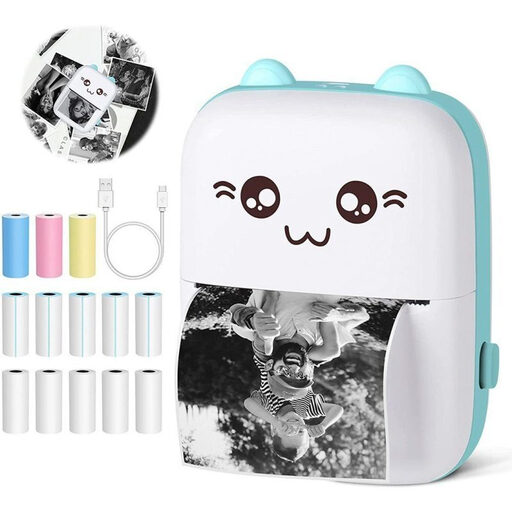 No image available
The product description identifies this as a portable thermal printer for smartphone photos. Before buying, check whether this type of printing can produce your beach pictures in the colour and size you want.
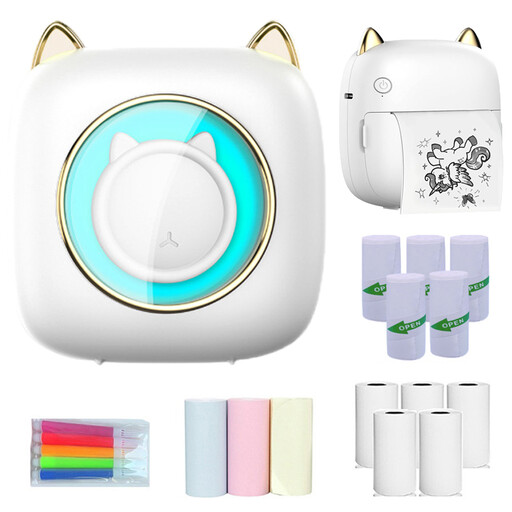 No image available
This device is described as a portable Bluetooth thermal printer for small prints on the go. The product title specifies black-and-white printing and a 1200 mAh battery; black-and-white printing is a significant limitation if you want colour beach photos.
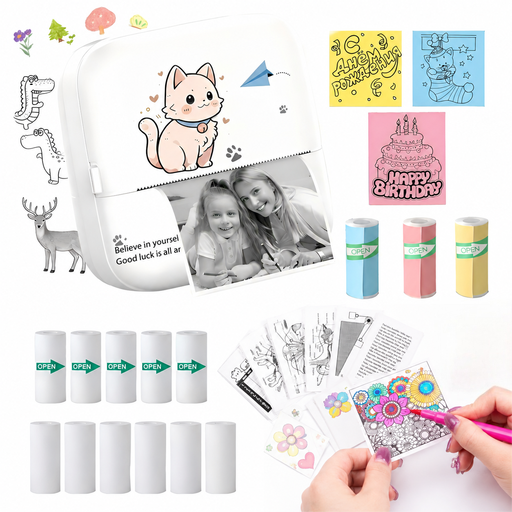 No image available
The product description specifies a portable Bluetooth printer for smartphone photos and labels. Before choosing it, check the image size and whether the printing method works with your smartphone.
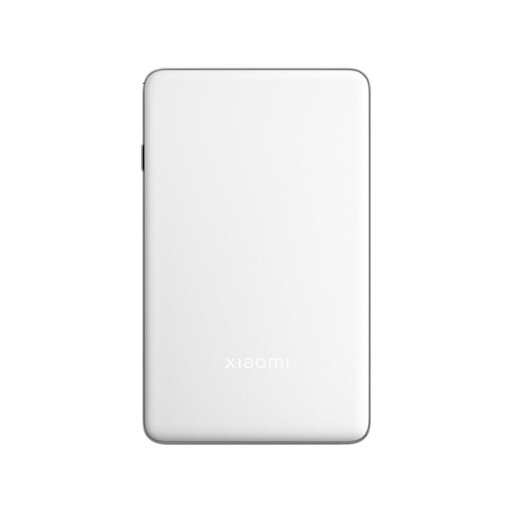 No image available
This model is described as a portable photo printer. If you want larger beach prints, check the specific print size, smartphone connection and required consumables before buying.
 No image available
This model is specified for 50 × 76 mm ZINK photo paper and requires the Xiaomi Home app and compatible paper. Its small format is suitable for mini prints, not postcard-sized prints.
Only if you’re happy with a very small picture. Fujifilm lists an image area of 62 × 46 mm for the instax mini Link 3, while the Canon SELPHY CP1500 supports 100 × 148 mm paper. Decide on the image size you want before choosing a model.
It depends on the model. Canon lists printing from a computer and compatible SD cards among the options for the SELPHY CP1500. Fujifilm says the instax mini Link 3 requires the relevant app, while Kodak also describes the Mini 2 Retro as using an app-based printing method.
As well as the printer itself, allow room for the paper feed, cassette and output area. For example, you’ll need to account for the rear paper feed on the Canon PIXMA G650, so measure the space with the printer ready to use.
It depends on the printing technology. The Canon SELPHY CP1500 uses a compatible paper and ink set; according to the supplier, the Kodak Mini 2 Retro uses a cartridge containing paper and ribbon; and film for the instax mini Link 3 is sold separately. Compare the consumables for the image size you want.
Electrical and electronic waste must not be put in household rubbish. The German Environment Agency recommends separate collection; where possible, remove any batteries and dispose of them separately before handing the printer in.