If your planned portions of beans fit alongside your other frozen food in the space you already have, you don’t automatically need an additional appliance. An upright freezer with drawers can be handy for weekly portions you take out regularly; for larger batches, a chest freezer is another option, though its storage space is organised differently. Compare usable capacity, floor space, freezing capacity and the stated annual energy consumption of the specific model. Blanching is preparation for freezing; it does not replace cooking the beans thoroughly before eating.
Which option is right for you?
Weekly meal-preppers with limited space
If you prepare beans for several working days, you’ll need enough usable capacity and a way to find each portion easily. The Verbraucherzentrale recommends choosing a freezer to suit your actual storage needs, while the Federal Centre for Nutrition explains how to freeze beans in portions.
Batch cooks with larger harvests
If you’re storing more than lunch portions, or processing larger batches of beans, consider the capacity and freezing performance of the specific model. The Verbraucherzentrale identifies your freezing needs as a guide to choosing an appliance; Bauknecht lists a freezing capacity of 8 kg in 24 hours for the GTE 150MD.
Buyers considering an energy-conscious extra appliance
If you already have freezer space, compare the room you have with the space you’d need for another appliance, then check the annual kWh figures for specific models. The Verbraucherzentrale explains how to choose according to your needs, while the Federal Ministry for the Environment provides information on energy labels for fridges and freezers.
What to look for when buying
Existing freezer compartment
A good fit if: your portions of beans fit alongside your other frozen food and you only freeze food occasionally.
The trade-off: there may not be enough space for larger batches.
Compact upright freezer
A good fit if: you want to take out individual portions regularly and have room for a separate appliance.
The trade-off: usable capacity, defrosting requirements and annual energy consumption vary by model.
Chest freezer
A good fit if: you regularly freeze larger batches as well as weekly portions, and have a suitable space for it.
The trade-off: you’ll need to organise individual portions in the deeper storage compartment.
| What matters |
What to check when buying |
Who it matters most to |
| Capacity and access |
Compare your planned portions and other frozen food with the usable capacity, internal layout and appliance dimensions. |
If I want to store lunch portions separately and find them quickly, I’ll look at capacity and layout; around 36% of consumers prioritise suitable portions and space. |
| Energy use |
Compare the kWh per year shown on the energy label for models with a suitable usable capacity. |
If I’m considering an extra appliance that will be running all the time, I’ll first compare my existing freezer space with the stated energy use; around 29% of consumers prioritise energy consumption. |
| Larger batches |
Compare the amount you process in a day with the stated freezing capacity in kg per 24 hours. |
If I freeze larger batches of beans, the freezing capacity needs to suit the quantity; around 21% of consumers prioritise freezing larger batches. |
| Defrosting and ease of use |
Check whether the specific model requires manual defrosting, reduces ice build-up or has NoFrost. |
If I take out portions often and want to factor in maintenance, I’ll check the defrosting system; around 14% of consumers prioritise this convenience. |
Common buying mistakes
-
Buying an oversized extra appliance for a few weekly portions
A larger appliance may offer more storage than you really need for beans and your other frozen food.
First check the freezer space you already have, then compare the usable capacity and kWh per year of specific models.
-
Assuming blanched beans are ready to eat
The Federal Centre for Nutrition describes brief blanching as preparation for freezing. The Federal Institute for Risk Assessment recommends cooking fresh beans in boiling water for at least 30 minutes to reduce the risk from phasin.
Make sure you cook the beans thoroughly before eating. For meals that spoil easily, you should also consider keeping them chilled during transport and storage.
-
Confusing NoFrost, MinFrost and manual defrosting
These systems are different: Beko describes MinFrost as a way to reduce ice build-up, while other models are listed as requiring manual defrosting or featuring NoFrost.
Check the defrosting system against the full model name rather than assuming that a similarly named feature means the appliance never needs defrosting.
Brands and models at a glance
Gorenje
The F49DPW is a compact upright freezer for a modest amount of food that you want to keep separate.
- According to Gorenje: 85 l, three drawers, freezing capacity of 4 kg in 24 hours and 131 kWh per year.
- The model is listed as requiring manual defrosting; these figures do not apply to all Gorenje appliances.
Exquisit
The GS581-H-010E is a compact drawer-style option for smaller amounts of frozen food.
- The manufacturer lists three drawers and manual temperature control.
- Check the exact usable capacity in the product datasheet before comparing capacities between models.
Liebherr
The FNe 1404 under-counter freezer is aimed at buyers who want NoFrost in a compact appliance.
- Liebherr lists 92 l, NoFrost and 37 dB for this model.
- These specifications do not support general claims about the price or efficiency of other Liebherr appliances.
Bauknecht
The GTE 150MD is a chest freezer option for larger amounts of frozen food.
- According to Bauknecht: 142 l, one basket, freezing capacity of 8 kg in 24 hours and 146 kWh per year.
- The manufacturer’s stated benefits of TurboFreeze are not independent evidence of improved bean quality.
Bosch
The GSN33VWEP is a larger upright freezer for extra general storage needs.
- Bosch lists 225 l, NoFrost and a freezing capacity of 19 kg in 24 hours for this model.
- If you only need to store a few portions of beans, choose a capacity that suits your other frozen food too.
Joybuy products for portioned food
The Joybuy products below include compact upright freezers, under-counter models and a chest freezer for storing food in portions.
 No image available
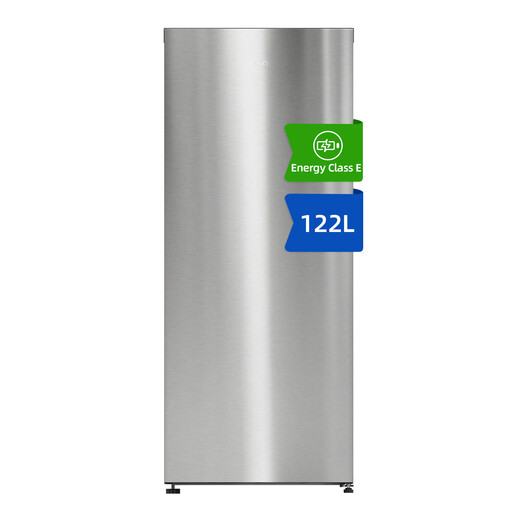
CHiQ JR122WSD, 122 l, NoFrost
An option for storing food in portions if you’re looking for a compact upright freezer with NoFrost.
122 l; NoFrost; energy efficiency class E.
View at Joybuy
 No image available
COMFEE' RCU60WH2(E), 60 l
A compact drawer-style option for smaller amounts of food you want to store separately.
60 l; three compartments; freestanding appliance.
View at Joybuy
 No image available
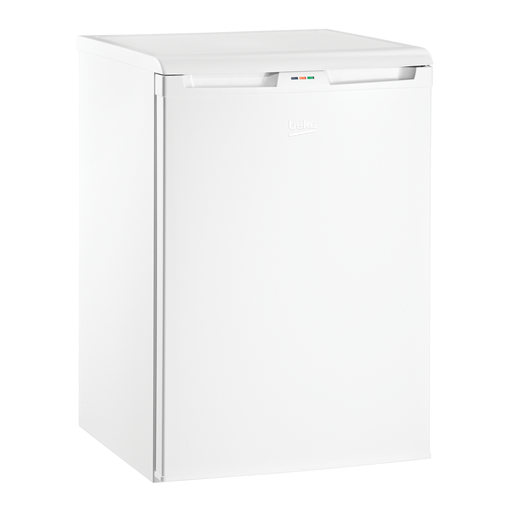
Beko FSE1074N b100, 95 l, MinFrost
An under-counter freezer for weekly portions if you’re looking for a compact design that helps reduce ice build-up.
95 l; MinFrost; energy efficiency class E. Beko describes MinFrost as a way to reduce ice build-up; regular checks are still important.
View at Joybuy
 No image available
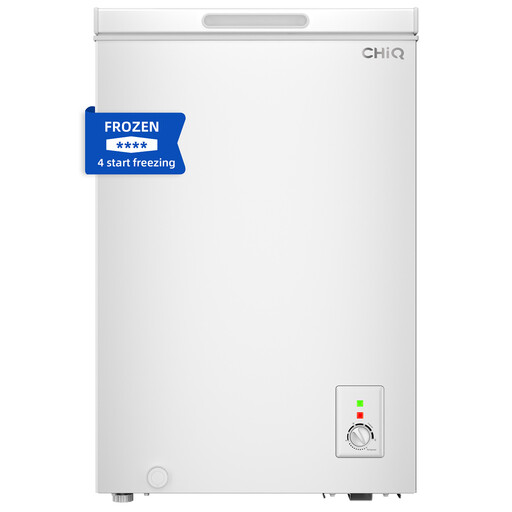
CHiQ FCF98DE chest freezer, 99 l
A chest freezer option for smaller amounts of frozen food and larger batches, if its design suits the space you have.
99 l; 4-star freezing performance; one wire basket.
View at Joybuy
 No image available
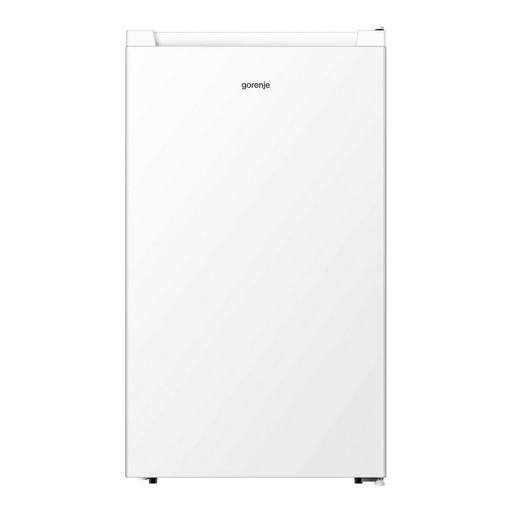
Gorenje F39EPW4 under-counter freezer
An under-counter option for a smaller additional freezer requirement.
Energy efficiency class E.
View at Joybuy
Frequently asked questions
Is blanching for three minutes enough if I’m going to eat the beans cold later?
No. The Federal Centre for Nutrition describes brief blanching as preparation before freezing; it does not replace cooking the beans before eating. The Federal Institute for Risk Assessment recommends cooking fresh beans in boiling water for at least 30 minutes to reduce the risk from phasin. Simply thawing them does not cook them.
How do I freeze beans for individual working days?
Trim the beans, blanch them briefly, cool them straight away in iced water, drain them well and freeze them in portions. The Federal Centre for Nutrition describes this preparation; the Verbraucherzentrale recommends noting the contents, quantity and date of freezing on the container. The beans must be cooked thoroughly before eating.
How can I keep a prepared lunch chilled while I’m out?
Chilling is important when transporting and storing prepared foods that spoil easily. The Federal Institute for Risk Assessment recommends using a cool bag for longer journeys, especially in summer. Your freezer at home won’t keep your lunch box chilled while you’re out.
How do I compare the energy use of different freezers?
Compare the kWh per year on the energy label for specific models, and make sure the usable capacity suits your storage needs. Actual energy use also depends on how and where the appliance is used, so compare freezers with a suitable capacity rather than looking only at their design or efficiency class.


