
Lieferung heute & morgen

Qualitätsgarantie

Willkommens-Angebote freischalten: KOSTENLOSE Lieferung | Bis zu 80 % RABATT | Kostenlose 30-Tage-JoyPlus-Testphase
App herunterladen
The world of Asian condiments is fascinating, but it can also be overwhelming. Anyone searching for bean paste in a supermarket or online is faced with a shelf full of jars, all varying wildly in colour, origin, and flavour. This diversity often leads to purchase mistakes that not only strain your budget but also compromise your culinary results. As your Joybuy Product Recommendation Officer, I'm here to help you identify the most common traps and find the right paste for your needs.
A typical mistake is assuming that "bean paste" is a universal product. In reality, the term covers an entire family of seasonings, from the spicy Chinese Doubanjiang to the mild Japanese Miso Paste. Another pitfall is unclear product names and ingredient lists that obscure a paste's true character. For instance, a seemingly simple soybean paste might contain an unexpected amount of sugar or a high level of spice, making it unsuitable for your intended dish.
To avoid disappointment, you should check three key aspects before buying any bean paste. These will help you find the product that perfectly matches your culinary needs.
The origin of a bean paste is the most important indicator of its flavour profile and use. The three main categories are:
A look at the ingredient list is essential. Pay attention to the type of beans (soybeans, broad beans), as this determines the base flavour. For those with allergies, it's important to know if wheat flour is included, which is the case with many Chinese pastes.
High-quality fermented soy products often feature a short ingredient list. Some manufacturers also advertise their use of non-GMO soybeans. Additives like flavour enhancers or preservatives are common, but there are also products that consciously omit them.
The description on the label often provides clues about the taste. Terms like "spicy," "savoury," or "mild" are initial indicators. For Chinese pastes, an origin of "Sichuan" or "Pixian" suggests a pronounced spiciness. With miso pastes, the colour (white, red) determines the flavour intensity. For a reliable assessment, it's helpful to know the main ingredients: a high chilli content means more heat, while a high proportion of rice or koji in miso indicates a milder, sweeter note.
To make your decision easier, we have selected a few products from our range and matched them to typical user profiles.
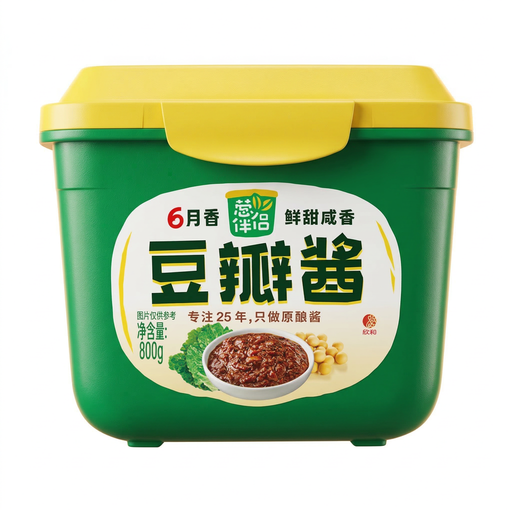
Why This Fits Their Persona: This paste is a versatile all-rounder for stir-fries, marinades, and as a base seasoning. It offers a classic, savoury flavour that isn't overly spicy. The large 800g package is ideal for those who cook regularly and are looking for great value for money.
You're buying a balanced, traditional soybean paste that is a safe choice for getting to know classic flavours without accidentally overpowering a dish with extreme heat.
Made from non-GMO soybeans; versatile, savoury flavour profile for a wide range of Chinese dishes.

Why This Fits Their Persona: This is a high-quality Pixian Doubanjiang, considered an indispensable ingredient for authentic Sichuan dishes like Mapo Tofu, hot pot, or braised foods. Its complex flavour cannot be replicated by any other paste.
Instead of a generic "chilli bean sauce," you get the specific product required in authentic recipes. This helps you avoid flavour disappointments and achieve a true-to-the-original result.
Traditionally fermented broad bean paste from Pixian; intense heat and a deep, complex umami flavour.
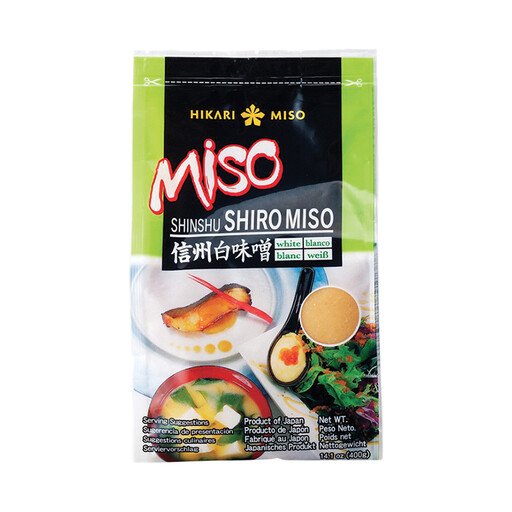
Why This Fits Their Persona: This white miso paste (Shiro Miso) is mild, slightly sweet, and has a delicate umami flavour. It is the ideal choice for classic miso soup, light salad dressings, marinades for fish, or light-coloured sauces.
It prevents you from buying a strong, salty red miso paste (Aka Miso) when what you really need is a subtle flavour for a delicate soup or a refined dressing.
Mild, slightly sweet flavour profile; versatile for soups and dressings; made from natural ingredients.
We have compiled a complete, up-to-date list of products that fully meet these strict selection criteria and German regulations.
Most Asian condiment pastes should be stored in the refrigerator after opening to preserve their freshness and flavour. Always use a clean spoon to scoop out the paste to avoid contamination. For some pastes, especially oil-based ones, it can be helpful to smooth the surface so it remains covered by a thin layer of oil. Always follow the storage instructions on the packaging.
Many fermented soy products are naturally vegan, as they consist mainly of beans, grains, salt, and water. However, some pastes, particularly mixed condiments like Ssamjang, may contain ingredients such as fish sauce or other animal-derived components. It is therefore always advisable to check the ingredient list carefully if you follow a strict vegan diet.
The main difference lies in the ingredients, origin, and taste. Doubanjiang is a Chinese paste, usually made from broad beans and often mixed with chillies. It is potent, salty, and frequently spicy. Miso Paste is a Japanese paste made from fermented soybeans and koji. It is generally milder, has a distinct umami flavour, and is available in various strengths, from mild and sweet (white) to strong and salty (red).