
Lieferung heute & morgen

Qualitätsgarantie

Willkommens-Angebote freischalten: KOSTENLOSE Lieferung | Bis zu 80 % RABATT | Kostenlose 30-Tage-JoyPlus-Testphase
App herunterladen
The search for the right coffee machine can quickly become overwhelming. The market is flooded with devices that advertise a multitude of features and marketing promises. However, not every advertised feature actually leads to better coffee. As your Joybuy Product Recommendation Officer, I'll help you distinguish the important features from the unimportant ones and avoid common purchasing traps.
Many buyers invest in expensive machines only to find they don't meet their needs or come with unexpected running costs. Here are three common pitfalls to watch out for:
To make an informed decision, it's helpful to understand the technical basics. Instead of being guided by marketing terms, focus on these three core parameters.
A frequently advertised feature is the pump pressure, often stated as 15 or 19 bars. However, for preparing an authentic espresso, a constant pressure of about 9 bars directly at the brew group is crucial. A higher initial pump pressure serves to reliably achieve this target pressure even after pressure losses within the system. More important than a maximum high value is the machine's ability to keep the pressure stable throughout the entire brewing process. Equally critical is a constant water temperature (ideally 90–94 °C), as fluctuations can negatively affect the aroma.
For coffee lovers who prefer whole beans, the quality of the grinder is decisive. A bean-to-cup machine should have a conical or flat burr grinder made of ceramic or hardened steel. These grinders grind the beans evenly, which is essential for a balanced extraction. Cheaper blade grinders, on the other hand, shatter the beans unevenly, leading to an inconsistent taste. A coffee machine with a grinder that offers multiple grind settings allows you to precisely adjust the grind to the specific coffee type and roast.
If you enjoy milk-based drinks like cappuccino or latte macchiato, the type of milk system is an important factor.
Based on these objective criteria, we have identified some models that are particularly suitable for different user profiles.
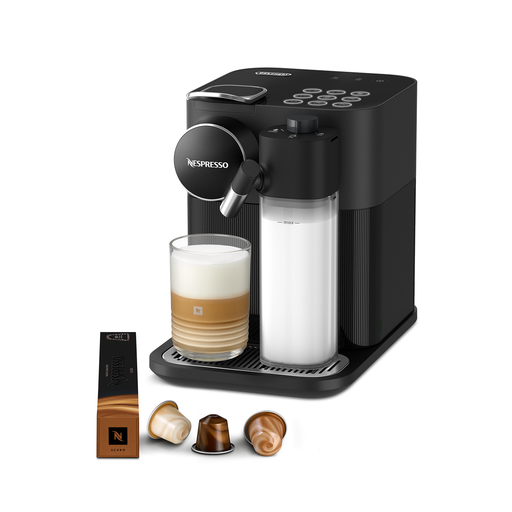
Why This Fits Their Persona: Ideal for users who want to enjoy a variety of coffee and milk drinks without the effort. The one-touch operation and automatic milk system make preparing a cappuccino or latte macchiato extremely simple and fast.
This capsule machine avoids the trap of feature overload by focusing on intuitive operation for popular milk recipes. The running costs from capsules are transparent and justified by the high level of convenience and consistent quality.
The one-touch milk system prepares various milk specialities at the press of a button. The cleaning system for the milk container is semi-automatic, and the components are dishwasher-safe, which simplifies maintenance.
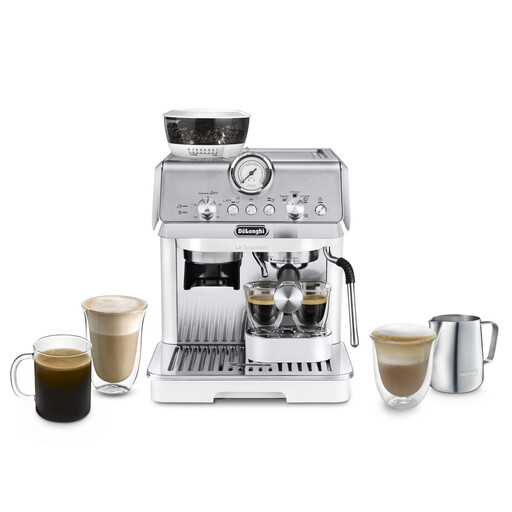
Why This Fits Their Persona: Perfect for coffee enthusiasts who want to control and perfect the entire preparation process. This portafilter machine provides the tools to experiment with grind size, dosage, and milk texture.
Instead of advertising vague promises of "barista-quality," this device delivers the necessary equipment for it: an integrated grinder, a pressure gauge for monitoring, and a manual steam wand. The focus is on hands-on control rather than automation.
The integrated grinder with 8 grind settings and the manual My LatteArt steam wand allow for precise customisation to personal preferences. The included barista kit (tamper, tamping mat) provides a solid starter set.
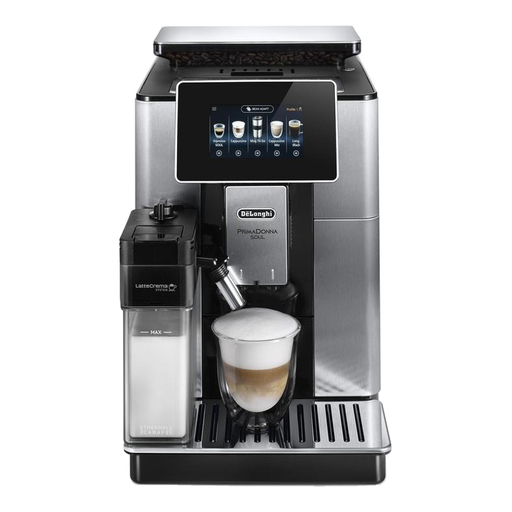
Why This Fits Their Persona: For users who want to combine the convenience of a fully automatic machine with maximum customisation and technical sophistication. Ideal for households with different coffee preferences and a love for smart technology.
This fully automatic machine justifies its wide range of functions with genuine added value. The Bean Adapt Technology is not a gimmick; it automatically adjusts the grind size and brewing parameters to the beans being used, which objectively improves extraction.
The Bean Adapt Technology, combined with app control, allows for precise and automated optimisation of the coffee's taste. The LatteCrema System ensures consistently good milk foam across a wide variety of recipes.
We've compiled a complete, up-to-date list of products that fully meet these strict selection criteria and German safety regulations.
The frequency of descaling depends on the water hardness in your area and how often you use the machine. Most modern coffee machines, especially fully automatic ones, have a built-in reminder function. As a general guideline, it is recommended to descale the machine every one to three months. Regular descaling is crucial to prevent limescale buildup in the pipes and heating elements. This not only ensures the longevity of the device but also guarantees a constant brewing temperature and thus a better coffee taste.
Not necessarily. As mentioned earlier, the ideal brewing pressure at the brew group for espresso is about 9 bars. A pump pressure of 15 or 19 bars ensures that this target pressure is reached even with firmly tamped coffee grounds. However, excessively high pressure can lead to over-extraction, where unwanted bitter compounds are dissolved from the coffee. More important than the raw bar number is the machine's ability to maintain a constant pressure throughout the entire brewing process.
Whether a fully automatic coffee machine is worthwhile for a single-person household depends on individual drinking habits and priorities. If you drink several cups of coffee daily and value freshly ground beans and convenience, the investment can be worth it. The price per cup when using whole beans is generally much lower than with capsule systems. However, consider the space it takes up in the kitchen and the regular cleaning effort, which is required even with infrequent use. For occasional coffee drinkers, a more compact drip coffee maker or a Nespresso machine might be a more practical alternative.