
Lieferung heute & morgen

Qualitätsgarantie

Willkommens-Angebote freischalten: KOSTENLOSE Lieferung | Bis zu 80 % RABATT | Kostenlose 30-Tage-JoyPlus-Testphase
App herunterladen
The aroma of freshly ground coffee beans is, for many, the very definition of a perfect start to the day. A bean-to-cup coffee machine promises this exact experience at the touch of a button. However, the market is overwhelming and filled with marketing promises that often cost more than they deliver. Before you make a decision, it's crucial to understand the common pitfalls that can lead to disappointment and unnecessary expense.
As your Joybuy Product Recommendation Officer, I will help you establish objective criteria for your choice and show you what truly matters.
The investment in a fully automatic coffee machine or an espresso machine with a milk frother is often substantial. This makes it all the more important to avoid widespread issues that can diminish your coffee enjoyment in the long run.
The Material Trap: Plastic Instead of Durability Many budget-friendly models advertise advanced technology but cut corners where it counts: the brew group. A plastic brew group can warp at high temperatures, is more susceptible to wear and tear, and can negatively affect temperature stability during the brewing process. A metal component, like those found in some Krups fully automatic coffee machines, offers significantly greater longevity and consistent brewing results.
The Hidden Cleaning Effort "Fully automatic cleaning" sounds appealing, but it doesn't always mean the machine keeps itself hygienically clean. On many devices, the brew group and milk system must be regularly disassembled, rinsed, and dried by hand. If this is neglected, coffee oils and milk residue can build up. Therefore, look for systems that offer a truly automated and self-contained clean coffee machine function for all parts that come into contact with coffee.
Superfluous Feature Overload A machine that promises 20 or more coffee specialities may seem superior at first glance. In practice, however, most users stick to a handful of favourites like espresso, coffee, cappuccino, or latte macchiato. This bloated feature list often serves only to justify a higher price without offering real-world value.
To avoid a poor purchase, you should focus on three core technical components. These are the primary determinants of your machine's taste, ease of use, and lifespan.
The grinder is crucial for the quality of the coffee. There are two common types:
Regardless of the type, the ability to adjust the grind size in multiple steps is a must. This is the only way to adapt the extraction to different beans for automatic machines and control the flavour profile from strong to mild.
The brew group is where hot water meets the coffee grounds. Its construction is critical:
Melitta coffee machine, allows for easy and thorough manual cleaning under running water. Permanently installed brew groups, as seen in a Krups coffee machine, rely on fully automatic cleaning programs, which minimises manual effort. Both approaches have their merits; the choice depends on personal preference.For lovers of milk-based specialities, the milk system is a key criterion.
portafilter machine, this offers maximum control over the milk foam's texture but requires practice.A good system, often marketed as an espresso machine with milk frother, is distinguished by simple, automated cleaning to ensure impeccable hygiene.
Instead of making a one-size-fits-all recommendation, we have selected models that suit different usage habits and specifically avoid the pitfalls mentioned.
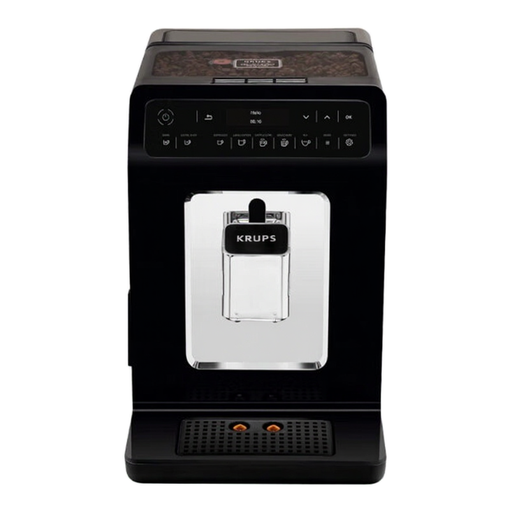
Why this model is a great fit: Ideal for anyone who wants variety with minimal effort. The one-touch function can prepare two cappuccinos simultaneously, and the selection of eleven coffee specialities covers almost every desire without being complicated.
The exclusive metal brew group avoids the material trap and ensures durability. The Autoclean system with its closed brewing system significantly minimises manual cleaning effort.
The Quattro Force technology optimises every step of the preparation process. The one-touch double cappuccino function is a real convenience-booster for daily use.
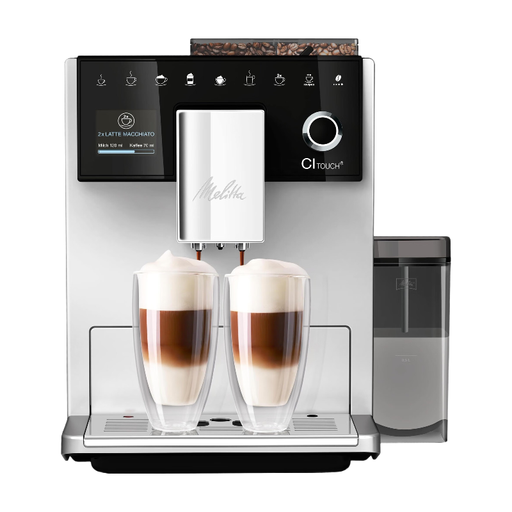
Why this model is a great fit: Perfect for households with different coffee tastes. The two-chamber bean container allows for an easy switch between two types of beans, and up to four people can save their individual preferences.
Instead of superfluous functions, this device offers practical personalisation. The quiet steel conical burr grinder and the removable brew group stand for quality and easy maintenance.
The "My Coffee Memory" function and the "Manual Bean Select" container provide a high degree of practical customisation that makes a real difference in daily use.
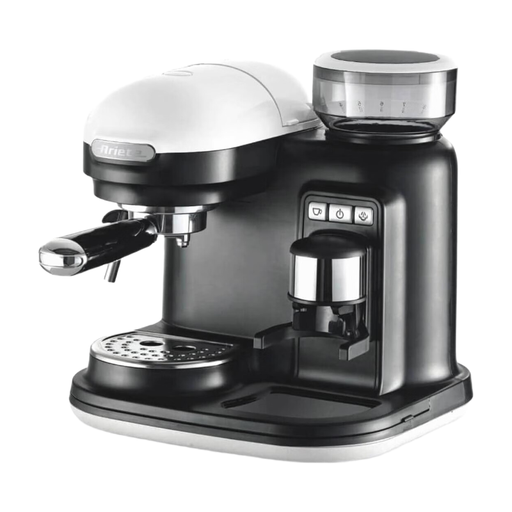
Why this model is a great fit: This portafilter machine with an integrated grinder is a great entry point for coffee lovers who want to take control of the brewing process. It offers control over grind size and dose, and features a manual milk frothing wand for creative latte art.
Instead of relying on complex automation, this device focuses on the fundamentals: fresh grinding and manual extraction. The integrated grinder ensures you don't have to invest in separate equipment.
The combination of an integrated grinder and a portafilter in one device at an accessible price point. The stylish design is also an eye-catcher in any kitchen.
We have compiled a complete, up-to-date list of products that fully meet these strict selection criteria and UK safety regulations.
The frequency depends on your water hardness and usage. As a rule of thumb:
In principle, any beans labelled "Espresso" or for fully automatic machines are suitable. Avoid very oily, dark-roasted beans, as the oil can clog the grinder. A blend of Arabica and Robusta beans, like the De'Longhi Selezione Espresso Beans, often provides a good balance of aroma and a stable crema.
The choice between these two types is a matter of philosophy: