
Lieferung heute & morgen

Qualitätsgarantie

Willkommens-Angebote freischalten: KOSTENLOSE Lieferung | Bis zu 80 % RABATT | Kostenlose 30-Tage-JoyPlus-Testphase
App herunterladen
A bean-to-cup coffee machine promises café-quality coffee at the touch of a button. However, the selection is vast, and the marketing promises are often exaggerated. In daily use, many machines turn out to be complicated, loud, or high-maintenance. Before you make an investment, it's crucial to understand the common pitfalls that often only become apparent after the purchase. This guide will help you separate the wheat from the chaff and find a model that truly fits your needs.
Manufacturers advertise numerous features, but not all are practical for everyday use. Pay close attention to these three points to avoid disappointment:
To make the right choice, you should focus on the technical fundamentals that determine the quality of the coffee and the longevity of the machine.
The grinder is crucial for the aroma. It grinds the coffee beans immediately before brewing, which preserves the volatile aromatic compounds.
For lovers of speciality coffees like cappuccino or latte macchiato, the milk system is a key criterion.
The daily handling determines whether you will enjoy your machine for a long time.
Here are some models that represent a considered choice for different user profiles based on their objective features.
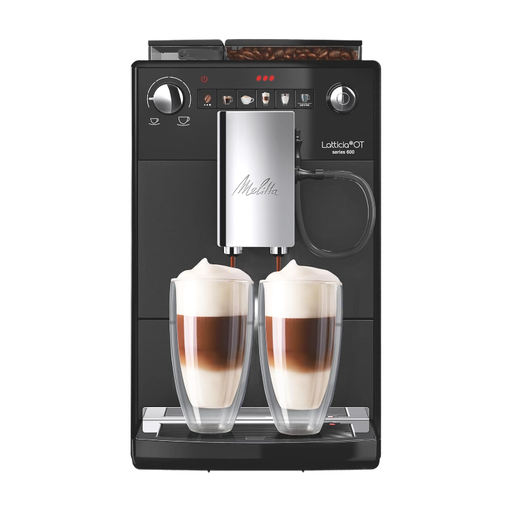
Why this model is a great fit: Ideal for a quick coffee in the home office. The one-touch operation for espresso, café crème, and cappuccino saves time in the morning. Thanks to its compact design, the machine also fits into smaller kitchens.
The steel conical burr grinder, described as "whisper-quiet," is designed for noise-sensitive environments. The milk system operates via a hose and features an automatic cleaning function, which minimises hygiene efforts.
The combination of a one-touch function for milk-based drinks and a noise-reduced grinder in a compact device. The Melitta bean-to-cup machine also offers a two-cup function.
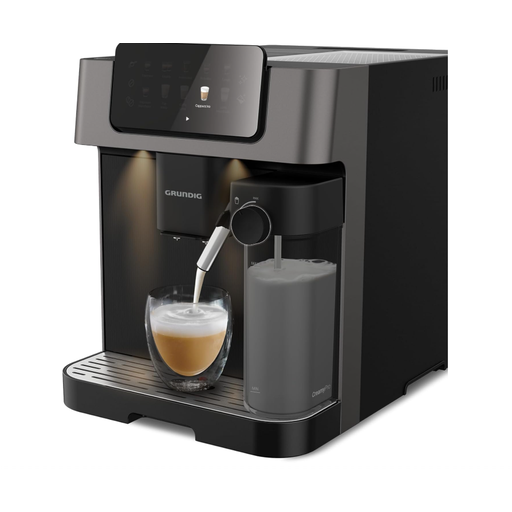
Why this model is a great fit: With a 2-litre water tank and an integrated milk container, this machine is designed for high coffee consumption in families or shared living spaces. The variety of 10 speciality coffees and the double nozzle serve different preferences simultaneously.
The integrated milk system with its container is easy to remove and clean. Operation via the touch display is intuitive, so even less tech-savvy users can prepare their drinks without any trouble.
Large capacity (2 L water, 250 g beans) and a wide variety of drinks. The stainless steel conical burr grinder with 13 grind settings allows for excellent customisation for different bean types.

Why this model is a great fit: This semi-automatic portafilter machine is aimed at coffee lovers who want to control and optimise the brewing process. It combines the convenience of an automatic machine with the precision of a barista-grade machine.
The Sage machine offers full control. The touchscreen display allows you to precisely adjust coffee strength, milk texture, and temperature, and save them as personal favourites. The automatic steam wand cleans itself after each use.
The ThermoJet heating system reaches the optimal extraction temperature in 3 seconds, according to the manufacturer. The automatic milk frothing creates fine microfoam suitable for latte art.
We have compiled a complete, up-to-date list of products that fully meet these strict selection criteria and German safety regulations.
The frequency depends on the water hardness in your area and your usage. Most modern machines indicate when descaling is necessary. As a rule of thumb: with average use and medium water hardness, you should descale every two to three months. Using a water filter in the tank can extend these intervals.
This is not recommended. Very oily or caramelised beans can clog the grinder and block the fine tubes of the brew group. This can lead to malfunctions and shorten the lifespan of the machine. It is preferable to use dry espresso beans recommended for bean-to-cup machines.
Both materials have their merits. Steel grinders are very robust and sharp, which leads to a precise grind. They can generate heat during very long, continuous use. Ceramic grinders are taste-neutral, extremely hard, and wear-resistant. They are considered less prone to heating up but can be more susceptible to breaking if foreign objects (e.g., a small stone) are in the bean hopper. For normal household use, the quality of the engineering is more important than the material itself.