
Lieferung heute & morgen

Qualitätsgarantie

Willkommens-Angebote freischalten: KOSTENLOSE Lieferung | Bis zu 80 % RABATT | Kostenlose 30-Tage-JoyPlus-Testphase
App herunterladen
Switching from pod or filter coffee to a machine that uses whole beans is a significant step for any coffee lover. The aroma of freshly ground beans and the ability to prepare an espresso or cappuccino at the touch of a button are certainly tempting. However, the market for bean-to-cup coffee machines is saturated and rife with marketing claims that often fall short. Before you make a decision, you should be aware of the three most common and costly pitfalls that can quickly sour your at-home coffee experience.
As your Joybuy Product Recommendation Officer, I'm here to help you navigate these pitfalls and make an informed choice.
To avoid a bad purchase, focus on three core technical features. These are the primary determinants of your coffee's quality, the machine's ease of use, and its longevity.
The heart of every bean-to-cup machine is its grinder. It determines how much aroma is extracted from the coffee bean.
For lovers of cappuccino or latte macchiato, the milk system is a central criterion.
The brew group is the unit where the ground coffee powder is compressed with hot water. Its design has a direct impact on hygiene.
Instead of repeating a generic "bean-to-cup coffee machine test," we have selected models that fit specific needs and budgets and purposefully avoid the pitfalls mentioned.
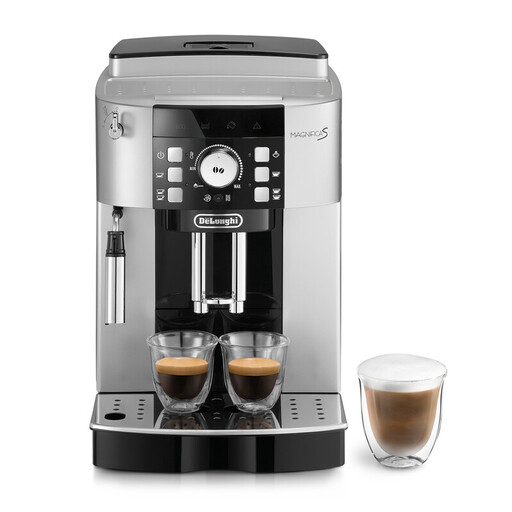
Why This Fits Their Persona: Ideal for those switching from pod or filter coffee. This model offers reliable technology and full control over milk foam at an excellent value for money. A proven classic for daily coffee enjoyment.
The fully removable brew group is easy to clean under water, thus bypassing the cleaning trap. The manual frothing wand is robust and more hygienic than complex automatic systems.
Proven and durable design; simple operation via direct selection buttons and a rotary dial; 13-setting conical steel grinder.
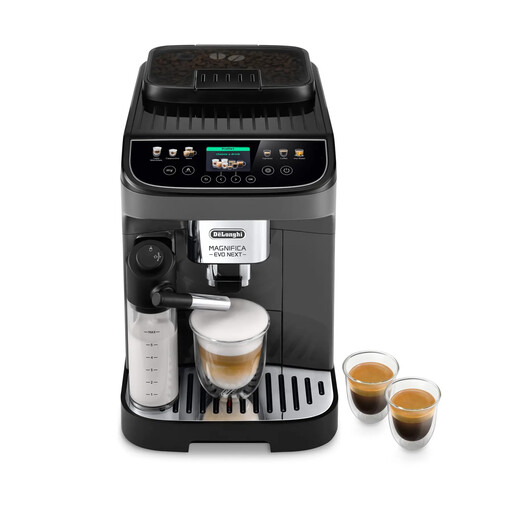
Why This Fits Their Persona: For users who desire maximum comfort and variety. This model prepares various coffee and milk specialties fully automatically and offers highly intuitive operation thanks to its colour display.
The LatteCrema milk system features an automatic cleaning function that rinses the milk-carrying lines after each use. The milk container is also easily removable and dishwasher-safe.
Automatic milk system for perfect one-touch cappuccino; intuitive 2.4-inch TFT colour display; 10 pre-installed recipes.
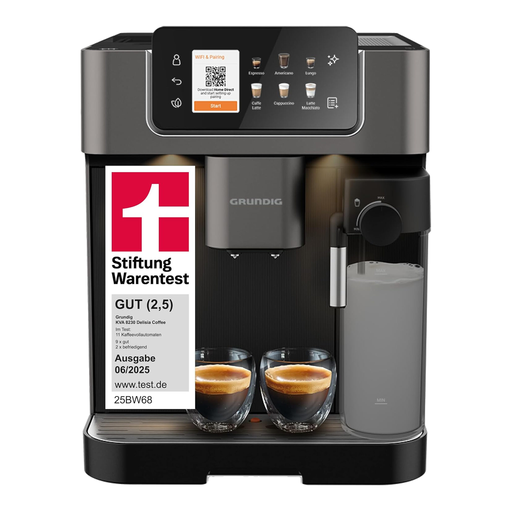
Why This Fits Their Persona: Perfect for anyone looking to integrate their coffee machine into a smart home system. Control via app or voice offers a high degree of modern convenience and flexibility.
Despite its advanced technology, Grundig relies on a proven, removable brew group for transparent and easy cleaning. The app also sends reminders for necessary maintenance intervals, thus preventing the cost trap caused by neglect.
Wi-Fi connectivity with app and voice control (Amazon Alexa, Google Assistant); high pump pressure of 19 bar; touchscreen operation.
We have compiled a complete, up-to-date list of products that fully meet these strict selection criteria and German safety regulations.
1. How often does a bean-to-cup coffee machine need to be descaled? The frequency depends on the water hardness in your area and your usage. Most modern machines indicate when descaling is necessary. As a rule of thumb, with average use and medium water hardness, you should descale every two to three months to protect the heating elements and extend the machine's lifespan.
2. What is the average lifespan of a bean-to-cup coffee machine for home use? The lifespan of a bean-to-cup coffee machine heavily depends on the quality of the appliance, frequency of use, and, most importantly, the regularity of care and maintenance. With proper care (regular cleaning of the brew group, descaling), a mid-range brand-name machine can easily function reliably for five to eight years or more.
3. Can I also use ground coffee in a bean-to-cup machine? Many, but not all, bean-to-cup machines have a separate chute for pre-ground coffee powder. This is useful if, for example, you want to prepare a cup of decaffeinated coffee without changing the beans in the main container. Check the product description for a "powder compartment" or "second coffee type" feature if this is important to you.