
Lieferung heute & morgen

Qualitätsgarantie
App herunterladen
Kategorien
Choosing a bean-to-cup coffee machine requires an analysis of its technical specifications and functional features. To make an informed decision, it's essential to understand the core components, such as the grinder, brewing unit, and milk system. This article highlights the key parameters that define the performance and user-friendliness of a bean-to-cup coffee machine and presents a selection of models based on their technical data.
The quality of coffee from a fully automatic machine is the result of several interacting technical factors. The following criteria are central to an objective evaluation.
The integrated grinder is a critical component in a coffee machine with a built-in grinder. It determines how fresh and aromatic your coffee will be.
The brewing unit is the heart of the machine, where the ground coffee is extracted with hot water.
For fans of milk-based specialities, the type of milk system is a key criterion when considering a bean-to-cup machine with a milk system.
An intuitive user interface and simple cleaning processes are crucial for daily use.
The following models have been selected based on their technical specifications and range of features.
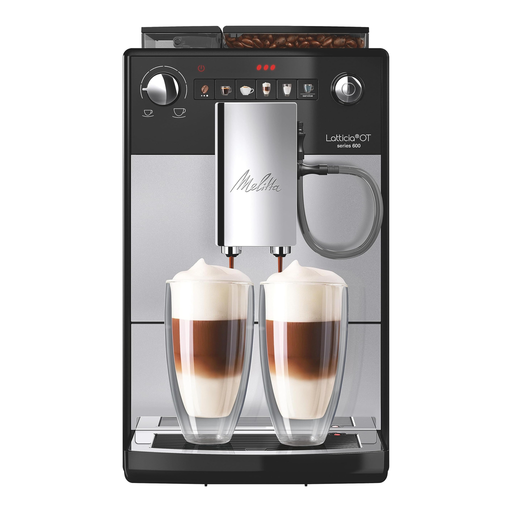
Product Feature Analysis The Melitta Latticia OT F300-101 stands out with its compact design, measuring just 20 cm wide, and its specialised Latteperfection milk system. The "whisper-quiet" grinder and one-touch function for milk-based drinks position this machine as a convenient solution for home use. The combination of a 1.5-litre water tank and a 250-gram bean hopper provides adequate capacity for the average household.
Key Features
Best Suited For This model is designed for users who value simple operation, high-quality milk-based drinks, and a space-saving design. It is particularly suitable for households where cappuccino or latte macchiato are enjoyed regularly.
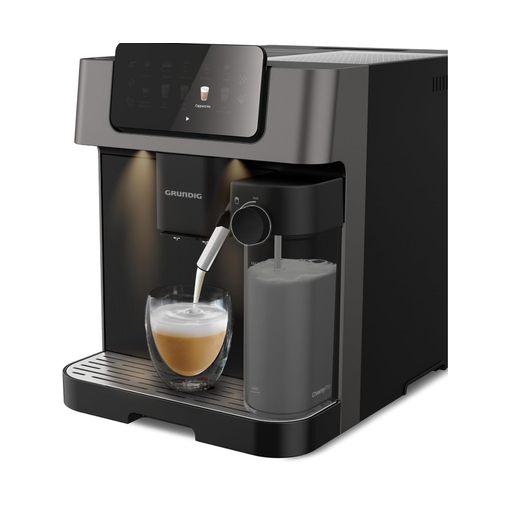
Product Feature Analysis The Grundig KVA 7230 features a high 19-bar pump pressure and a stainless steel conical burr grinder with 13 adjustable settings. These specifications allow for precise customisation of the coffee extraction. With 10 pre-programmed coffee specialities and an integrated milk container, the machine covers a wide range of beverage preferences. The dual coffee spout and touch display highlight its focus on user convenience.
Key Features
Best Suited For This machine is aimed at users who desire a high degree of control over the brewing process and want to prepare a wide variety of coffee specialities at the touch of a button. Its technical parameters promise consistent performance in preparing espresso and other coffee drinks.
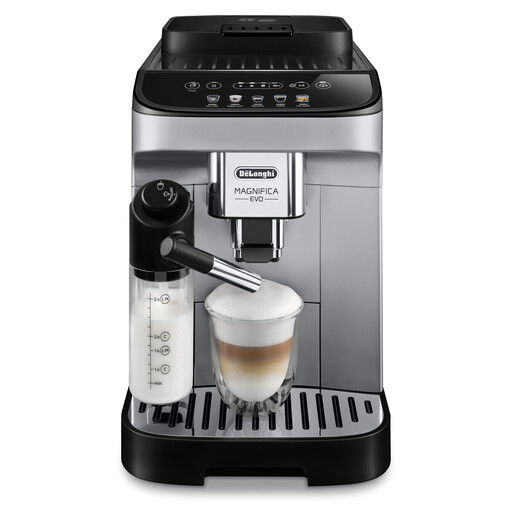
Product Feature Analysis The De’Longhi Magnifica Evo ECAM290.61.SB integrates the LatteCrema milk system with the MyLatte function. This feature allows you to use the exact amount of milk needed, ensuring no leftovers in the container. The soft-touch control panel with colour icons is designed for intuitive operation. With 7 one-touch recipes and dishwasher-safe components, the focus is on convenience and easy maintenance.
Key Features
Best Suited For This model is ideal for users looking for a straightforward cappuccino machine with a resource-efficient milk system. Its simple operation and hassle-free cleaning make it a practical choice for daily use, especially for households that frequently prepare milk-based drinks.
The models presented cover specific user profiles. For a more comprehensive overview of machines with integrated grinders, our main category offers additional options with different technical focuses. You can find a wider selection in our Coffee Machine with Grinder category.
1. How often does a bean-to-cup coffee machine need to be cleaned? The cleaning frequency depends on usage and water hardness. The brewing unit should be cleaned weekly (for removable models). The milk system requires a daily rinse after each use. Descaling is automatically indicated by the machine and should be performed promptly, typically every 1 to 3 months.
2. In a bean-to-cup machine, what is more important: the grinder or the brewing unit? Both components are essential for the final result and work in tandem. A high-quality grinder ensures uniform coffee grounds and is the foundation for flavour extraction. The brewing unit is responsible for correctly tamping the coffee grounds and ensuring even water distribution at the optimal temperature and pressure. A deficiency in either component will significantly compromise coffee quality.
3. What is the optimal grind setting for a bean-to-cup coffee machine? A medium to fine grind is generally a good starting point. A grind that is too fine can lead to over-extraction (bitter taste), while a grind that is too coarse will result in under-extraction (watery, sour taste). The optimal setting depends on the coffee beans being used (roast level, variety) and should be found by making gradual adjustments until the flavour profile matches your personal preference.