
Lieferung heute & morgen

Qualitätsgarantie
App herunterladen
Kategorien
Choosing a bean-to-cup coffee machine is based on an analysis of technical specifications and functional features. To make an informed choice, it's crucial to understand the core components that determine coffee quality, user convenience, and the machine's longevity. These include the grinder, the milk system, and the brewing unit. This guide focuses on objective parameters to help you select a suitable model.
The functionality of a bean-to-cup coffee machine is defined by the interplay of several technical assemblies. The following criteria are essential for performance and practical everyday use.
The grinder is crucial for extracting the aromas from the coffee bean. Most machines use either a ceramic grinder or a stainless steel grinder.
Another important parameter is the number of adjustable grind settings. The more levels available, the more precisely the grind can be tailored to the specific coffee bean and desired coffee specialty—from a fine grind for espresso to a coarser one for a café crème.
For lovers of cappuccino or latte macchiato, the milk system is a key selection criterion. There are two main types of systems:
A bean-to-cup machine with a milk system that includes automatic cleaning programs significantly reduces maintenance and ensures hygiene.
The brewing unit is where the ground coffee is extracted with hot water under pressure. A removable brew group facilitates manual cleaning and helps prevent mould growth. The pump pressure, specified in bars, is also relevant. A pressure of around 9 bars at the brew group is considered the standard for preparing espresso. Many manufacturers advertise a maximum pump pressure of 15 to 19 bars, which ensures that the optimal pressure is consistently achieved.
Modern machines offer intuitive control concepts via touch displays or buttons with clear symbols. Features like storable user profiles, where individual preferences for coffee strength, volume, and temperature can be saved, enhance convenience. Automatic rinsing, cleaning, and descaling programs are essential for the machine's longevity and consistent coffee taste.
Based on an analysis of technical data and functional features, here are some models that stand out for their specific characteristics.
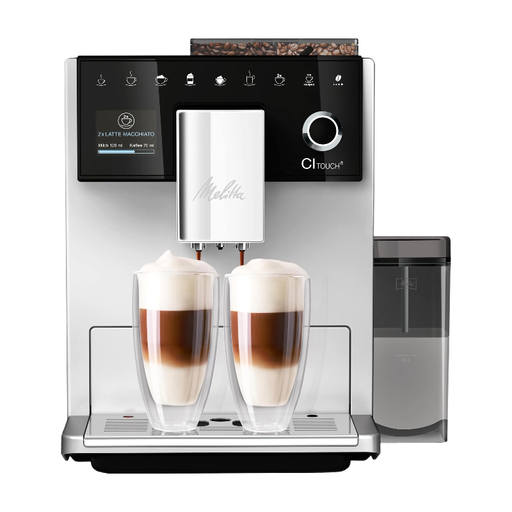
Why we recommend this product: The Melitta CI Touch F 630-111 stands out for its high degree of flexibility. The "Bean Select" two-chamber bean container allows for manually switching between two different types of beans. Combined with the four storable user profiles ("My Coffee Memory"), individual coffee preferences can be precisely catered to. The machine offers ten pre-programmed coffee recipes and a one-touch function for espresso, café crème, cappuccino, and latte macchiato.
Pros:
Who it's for: This model is ideal for households with multiple coffee drinkers who prefer different beans and custom settings, and who value ease of use.
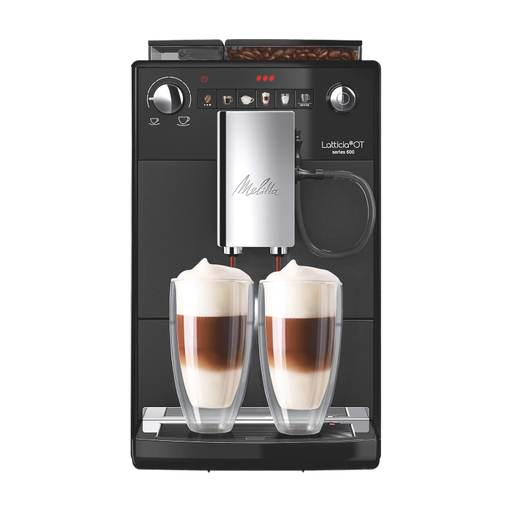
Why we recommend this product: The Melitta Latticia OT focuses on convenience and a compact design. With a width of just 20 cm, it fits even in smaller kitchens. According to the manufacturer, the "LATTEperfection System" ensures fine-pored milk foam through a double-frothing process. Operation is handled via colour-coded direct selection buttons, which makes preparing specialties like a cappuccino from a fully automatic machine particularly straightforward. The steel conical grinder, dubbed the "whisper-quiet grinder," also operates at a reduced noise level.
Pros:
Who it's for: Users looking for a straightforward, space-saving, and quiet one-touch bean-to-cup machine for daily use will find this to be a suitable device.
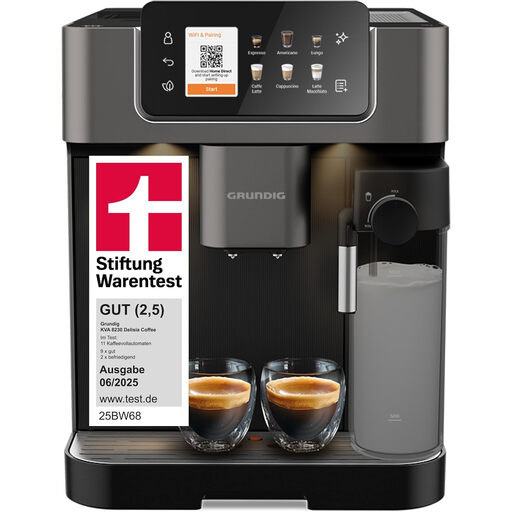
Why we recommend this product: The Grundig KVA 8230 combines a high pump pressure of up to 19 bars with smart features. The stainless steel grinder offers 13 adjustable grind settings, allowing for fine-tuning of the aroma. A special feature is its connectivity: the machine can be controlled via Wi-Fi using an app or voice assistants like Amazon Alexa and Google Assistant. The touchscreen display and illuminated dual spout underscore the modern appeal of this fully automatic espresso machine.
Pros:
Who it's for: This model is aimed at tech-savvy users who want precise control over the brewing process and appreciate the benefits of smart home integration.
If you are specifically looking for machines with advanced milk frothing capabilities, our selection of milk coffee machines offers other specialised models. This category includes machines optimised for preparing a wide range of milk-based coffee specialties.
1. What is the difference between a bean-to-cup machine and a portafilter machine? A bean-to-cup machine grinds the beans, brews the coffee, and, if desired, froths the milk fully automatically at the touch of a button. A portafilter machine (a type of espresso machine) requires manual steps: the coffee grounds must be ground separately, filled into the portafilter, tamped (pressed down), and locked into place. It offers more control but also requires more knowledge and effort.
2. How important is the pump pressure in a bean-to-cup machine? Pump pressure is relevant for preparing espresso. For optimal extraction, a pressure of about 9 bars is required directly at the brew group. Most manufacturers specify a maximum pump pressure of 15 to 19 bars. This higher value serves as a buffer to ensure that the target pressure of 9 bars is consistently achieved, even with a finer grind or a more compacted coffee puck.
3. How often does a bean-to-cup machine need to be cleaned? Daily and regular cleaning is crucial. The water tank and drip tray should be emptied and rinsed daily. The milk system must be cleaned with the automatic program after each use. The removable brew group should be rinsed under running water weekly. A full descaling and cleaning with special tablets is required every 1-3 months, depending on water hardness and frequency of use; most machines provide automatic reminders for this.