
Lieferung heute & morgen

Qualitätsgarantie
App herunterladen
Kategorien
A bean-to-cup coffee machine processes whole beans immediately before the brewing cycle. This process protects the delicate aromas and oils within the beans from oxidation, resulting in a noticeably fresher and more intense flavour profile compared to using pre-ground coffee. Selecting the right machine depends on specific technical parameters and individual usage habits. This article analyses the crucial criteria and presents a selection of models for different needs.
The decision to purchase a coffee machine with an integrated grinder should be based on an analysis of its core components. These include the grinder, the brewing system, the milk frothing function, as well as capacity and material quality.
The grinder is the central component for determining coffee quality. There are two primary designs:
The grind size should be adjustable in multiple steps to adapt the extraction to the specific coffee bean and preparation method (Espresso, Café Crème).
The method of coffee preparation defines the type of machine:
For lovers of milk-based specialities like cappuccino or latte macchiato, the type of milk frother is crucial.
The size of the water tank (typically 1.2 to 2.5 litres) and the bean hopper (125 g to 500 g) determines how often the machine needs to be refilled. For multi-person households or offices, larger capacities are advantageous. The physical dimensions of the machine are relevant for its placement in the kitchen.
Based on technical specifications and practical utility, we have compiled a selection of machines for various use cases.
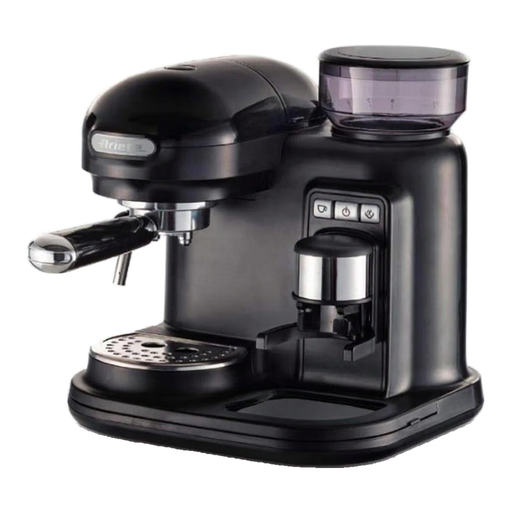
Why we recommend this product: The Ariete Moderna 1318 combines the design of a classic portafilter machine with the convenience of an integrated grinder. With 15 bar pump pressure, it meets the technical requirements for preparing espresso. The manual steam wand allows for the custom creation of milk foam for cappuccinos.
Pros:
Best for: Users who appreciate the ritualistic nature of espresso preparation with a portafilter but prefer the convenience of a built-in grinder. This machine is aimed at design-conscious users who want to maintain control over the brewing process.
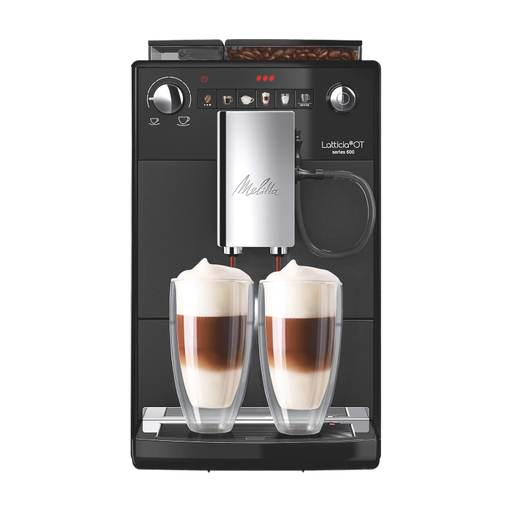
Why we recommend this product: This fully automatic coffee machine is designed for maximum convenience and ease of use. The one-touch function allows for the preparation of espresso, café crème, cappuccino, and latte macchiato at the press of a button. The LATTEperfection system ensures fine-pored milk foam at the optimal temperature.
Pros:
Best for: Households, families, and professionals who desire a wide variety of coffee specialities without manual effort. Its simple operation and high capacity make it ideal for daily use.
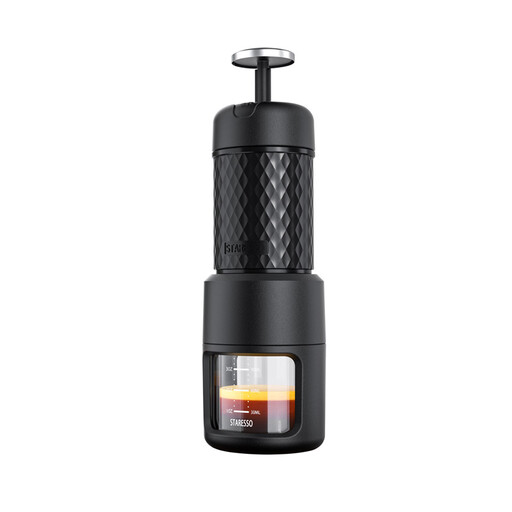
Why we recommend this product: The STARESSO SP-200 is a manual portable espresso machine that operates without electricity. It generates the necessary pressure for espresso extraction through manual pumping. Its compatibility with both ground coffee and capsules, along with its compact, detachable design, makes it a flexible solution for on the go.
Pros:
Best for: Travellers, outdoor enthusiasts, students, or individuals with limited space. This device is designed for users who don't want to miss out on a freshly brewed espresso away from home and who prefer manual preparation.
The models presented cover specific use cases. If you wish to compare other options with different features, designs, or price points, you can find a broader selection in our main category.
Discover more models in the Coffee Machine with Coffee category here
1. What is the advantage of a coffee machine with an integrated grinder? The primary advantage is freshness. Coffee beans contain volatile oils and aromatic compounds that quickly react with oxygen and lose their intensity after grinding. An integrated grinder ensures that the beans are ground immediately before the brewing process, resulting in a significantly more aromatic and flavourful coffee.
2. How do you properly clean a coffee machine with a grinder? Cleaning involves several components. The brew group, if removable, should be regularly rinsed under running water. The coffee grounds container and drip tray should be emptied and cleaned daily. The milk system requires special attention to ensure hygiene; automatic cleaning programs and manual cleaning of the hoses are crucial here. The grinder itself is typically cleaned of coffee oils using special cleaning tablets or by occasionally grinding dry materials like spelt (check manufacturer's instructions). Regular descaling of the entire system is also mandatory.
3. Fully automatic or portafilter machine with a grinder: Which is right for me? The choice depends on the desired level of convenience and control. A fully automatic coffee machine is the right choice for users who want to prepare a variety of drinks of consistent quality at the touch of a button. It is ideal for a quick coffee in the morning or when serving guests. A portafilter machine with a grinder is aimed at enthusiasts who want to control the preparation process themselves and experiment with parameters like grind size, coffee quantity, and tamping pressure to perfect the flavour outcome.