
Lieferung heute & morgen

Qualitätsgarantie

Willkommens-Angebote freischalten: KOSTENLOSE Lieferung | Bis zu 80 % RABATT | Kostenlose 30-Tage-JoyPlus-Testphase
App herunterladen
A bean-to-cup coffee machine should process freshly ground beans, prepare a range of drinks and require as little effort as possible in everyday use. In practice, however, some sales claims can lead to the wrong purchase. The longest list of features is not what matters most. The right combination of size, drink selection, operation and maintenance is key.
Figures such as 15 bar, 19 bar or 20 bar may appear comparable, but they initially describe only the pump’s maximum pressure. The finished drink also depends on the grind size, dose, water temperature, brewing unit and bean quality. A 15-bar bean-to-cup coffee machine may therefore be perfectly adequate for home use, while a higher figure does not automatically produce better results.
A bean-to-cup coffee machine with a milk system can prepare cappuccino, latte macchiato or milky coffee at the touch of a button. However, components that come into contact with milk require regular rinsing and cleaning cycles. Look for automatic milk-system cleaning, removable milk containers and, where specified by the manufacturer, dishwasher-safe parts. A large choice of recipes alone says little about the amount of daily maintenance required.
A compact bean-to-cup coffee machine can also fit into smaller kitchens. Before buying, however, you should check more than just its width, height and depth. It is important to know whether the water tank is removed from the side or front, whether the bean container is easy to reach and whether cups of different heights fit beneath the spout. There should also be enough clearance around the machine for ventilation and maintenance.
A bean-to-cup coffee machine with a grinder, or integrated grinder, processes whole beans immediately before brewing. Check the following:
More grind settings allow finer adjustment for different beans. However, this does not automatically mean that every setting is suitable for every drink. Households with several types of beans may benefit from two separate bean containers.
For individuals, a water tank of around 1.2 litres is often sufficient. Families and frequent users may benefit from 1.7 to 2.2 litres, as the tank needs to be refilled less often. Bear in mind that automatic rinsing cycles also use additional water.
A height-adjustable spout is practical if you use both small espresso cups and tall glasses. A two-cup function can save time in the morning. Also check the capacity of the coffee-grounds container and drip tray.
A bean-to-cup coffee machine with a one-touch function prepares selected drinks at the press of a button. With milk drinks, the system should be easy to understand and simple to clean. An external milk container with a tube is often flexible, but requires particular attention after use. Integrated milk containers save space next to the machine, but may take up more room in the fridge.
For home use, 220–240 volts and the power consumption specified by the manufacturer are relevant. Pump-pressure figures should be considered in conjunction with the other brewing parameters.
A bean-to-cup coffee machine with automatic cleaning takes care of some programme steps, but it does not eliminate the need for all manual maintenance. This typically includes:
A water filter can affect the water quality inside the machine, but it also needs to be replaced regularly. Before buying, check the ongoing costs of filters, cleaning tablets and descaler.
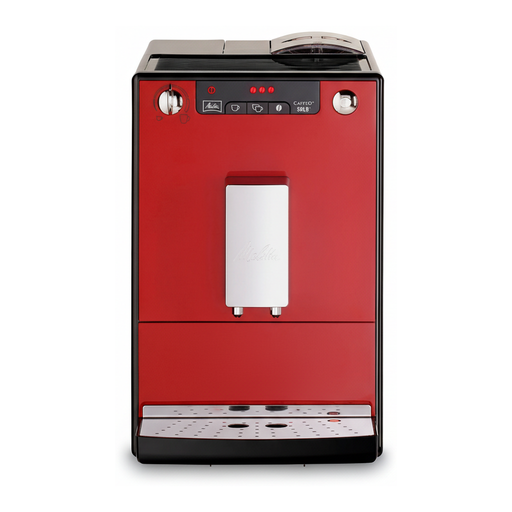
Why this product suits the profile: At around 20 cm wide, this machine focuses on espresso and café crème, making it suitable for smaller kitchens and households with a straightforward choice of drinks.
The streamlined feature set avoids unnecessary programmes. The removable water tank, removable brewing unit and automatic cleaning and descaling programmes make maintenance easier.
Three coffee-strength settings, a height-adjustable spout up to 135 mm and a 1.2-litre water tank.
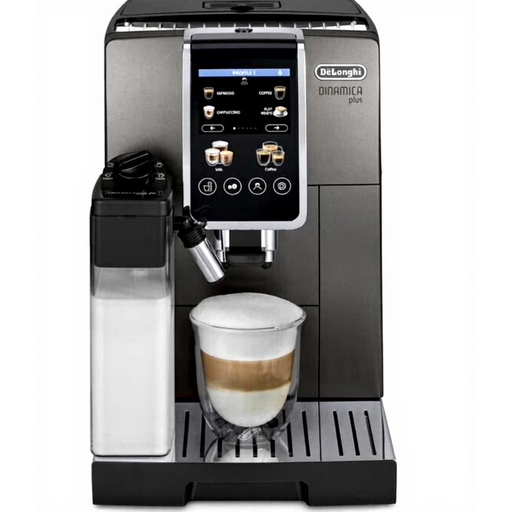
Why this product suits the profile: Anyone looking for a variety of coffee and milk drinks, along with personalised settings, gets a comprehensive interface for a home bean-to-cup coffee machine.
According to the product description, the milk-contact components have an automatic cleaning function. This reduces the number of manual steps, but does not replace regular maintenance according to the instructions.
24 saved recipes, a 1.8-litre water tank, a 300-g bean container and 13 grind settings.
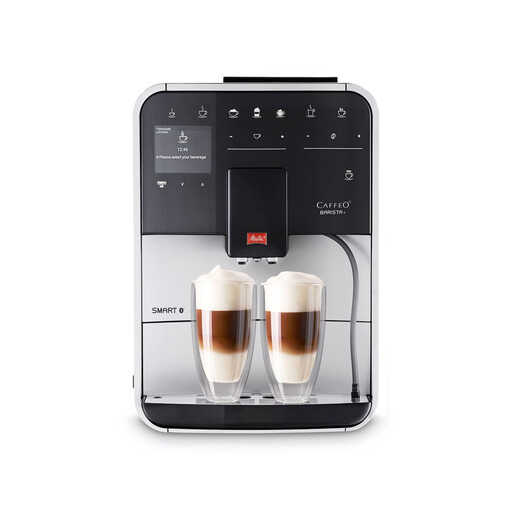
Why this product suits the profile: Families, house shares and offices benefit from two bean containers, four user profiles and a wide choice of drinks.
The automatic rinsing, cleaning and descaling programmes address the greater maintenance needs of a milk system. Regular emptying and checking are still required.
Up to 18 drinks, two milk drinks prepared simultaneously, a 1.8-litre water tank and two separate bean containers, each holding 135 g.
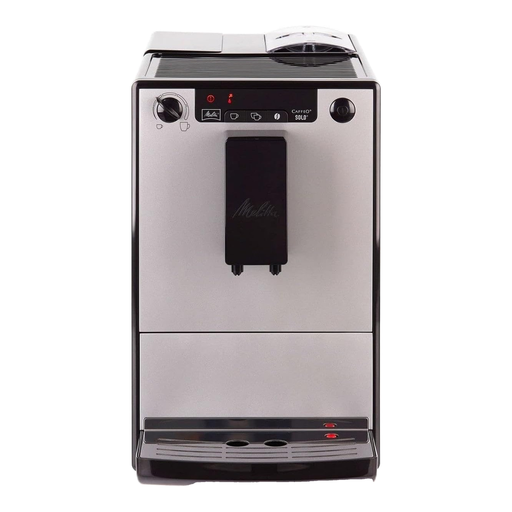
Why this product suits the profile: Measuring approximately 19 × 25 × 34 cm and focusing on black coffee, this machine is a good fit for kitchens where every centimetre counts.
The compact design is combined with a removable tank, automatic cleaning and programmable water hardness. Before buying, check that all components can be accessed at the intended location.
Three coffee-strength settings, a height-adjustable dual spout and a 1.2-litre water tank.
We have put together a complete, regularly updated list of products that fully meet these strict selection criteria and the safety regulations applicable in the EU.
Its lifespan depends on usage, water hardness, care and the availability of spare parts. Regular descaling, emptying the drip tray and cleaning the brewing unit and milk system can help maintain reliable operation. The relevant manufacturer’s instructions are decisive.
In addition to the purchase price, there are costs for coffee beans, water filters, descaler and cleaning tablets. Milk systems may require additional cleaning products. So do not compare the machine price alone; also consider filter replacement intervals, programme cycles and the availability of compatible care products.
Choose a stable, dry and heat-resistant surface near a suitable socket. Leave enough room for ventilation and for removing the tank, brewing unit and drip tray. Do not touch hot spouts or steam wands while the machine is operating.