
Lieferung heute & morgen

Qualitätsgarantie

Willkommens-Angebote freischalten: KOSTENLOSE Lieferung | Bis zu 80 % RABATT | Kostenlose 30-Tage-JoyPlus-Testphase
App herunterladen
A bean-to-cup coffee machine can prepare freshly ground coffee, espresso and milk-based drinks at the touch of a button. Even so, not every model will make life more convenient day to day. Details such as the water tank capacity, how easy the milk system is to clean and how accessible the brew unit is can make all the difference when choosing a machine for your household.
This guide explains which details really matter when comparing bean-to-cup coffee machines and which marketing claims are worth checking more closely.
A machine with a wide range of recipes sounds versatile. What matters, though, is whether you’ll actually make those drinks and whether you can adjust the serving size, strength and amount of milk. If your household mainly drinks espresso and coffee, an extensive menu may be unnecessary. Families, flatshares and small offices are more likely to benefit from multiple user profiles, a two-cup function and larger capacity containers.
A bean-to-cup coffee machine with a milk system needs extra care. Milk tubes, containers and spouts should be rinsed and cleaned after use, following the manufacturer’s instructions. An automatic cleaning function can reduce the effort, but it won’t always replace manual cleaning of removable parts. Look for a removable milk container, clear cleaning instructions and dishwasher-safe components, where this is explicitly stated.
Figures such as 15 or 19 bar describe the maximum possible pump pressure. But grind size, the amount of ground coffee, brewing temperature and the design of the brewing system all affect what ends up in your cup. A higher bar rating alone is therefore no reliable guide to the result. Consider how all the features work together rather than focusing on a single figure.
A bean-to-cup coffee machine with a grinder grinds the beans just before brewing. Key things to consider include:
With very large hoppers, bear in mind that beans shouldn’t be left in the machine for weeks. Fresh, dry storage and using your beans at a suitable rate matter more for preserving their flavour than having the largest possible capacity.
A water tank holding 1.2 to 1.8 litres is often suitable for smaller households. For families, flatshares or offices, a capacity of more than 1.8 litres can mean fewer refills. The grounds container should also be large enough for your needs.
Measure the available space before you buy a bean-to-cup coffee machine. As well as the width, depth and height, allow room to remove the tank, open the bean compartment and clean the machine. A slim model may suit a small kitchen, while larger machines can often offer more recipes and storage capacity.
A one-touch bean-to-cup coffee machine prepares selected drinks at the touch of a button. If you’re choosing a bean-to-cup coffee machine for cappuccino or a bean-to-cup coffee machine for latte macchiato, check that you can adjust the amount of milk. A bean-to-cup coffee machine with a touchscreen can make it easier to choose your drink, while buttons and dials may appeal if you prefer straightforward controls.
Also look for:
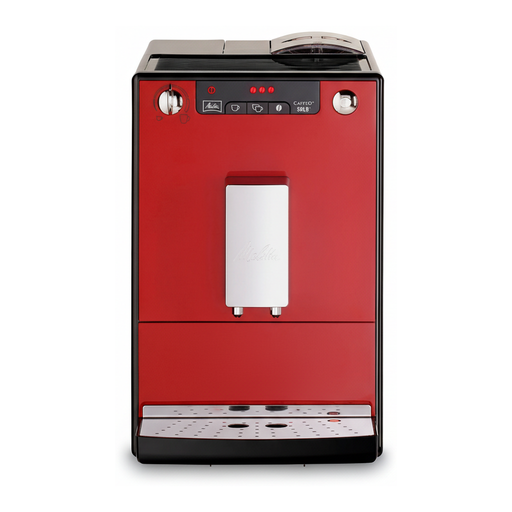
Why this product suits this profile: At just 20 cm wide, this model focuses on espresso and café crème. Three coffee strength settings and adjustable water volume make it easy to tailor your coffee to your taste.
It does away with a complex milk menu and lots of extra programmes, keeping the controls focused on the most popular coffee options.
Compact width, height-adjustable spout up to 135 mm, and automatic cleaning and descaling programmes.
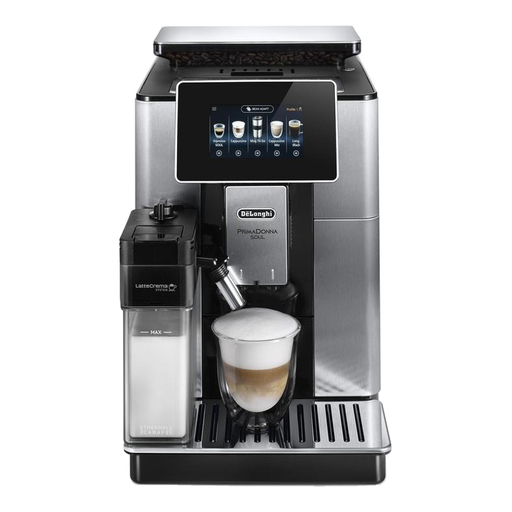
Why this product suits this profile: This machine offers 21 preset coffee and milk drinks, five user profiles, a 4.3-inch touchscreen and app control.
The wide choice of drinks is complemented by saved profiles and adjustable serving sizes. That makes it easier to use in households where everyone has different preferences.
2.2-litre water tank, 500 g bean hopper and removable brew unit. The LatteCrema milk system has an automatic cleaning function.
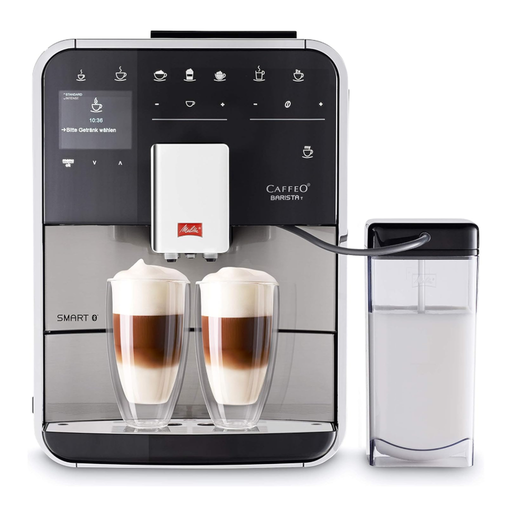
Why this product suits this profile: Two separate bean hoppers, 18 drinks, four user profiles and the Melitta Connect app make this a good fit for households or offices with changing needs.
The second bean hopper means you won’t have to keep emptying a single compartment when switching between varieties. Automatic rinsing, cleaning and descaling programmes also help with regular care.
Two milk drinks can be prepared at the same time. Five grind settings, five coffee strength settings and three temperature settings give you plenty of scope to tailor your drink.
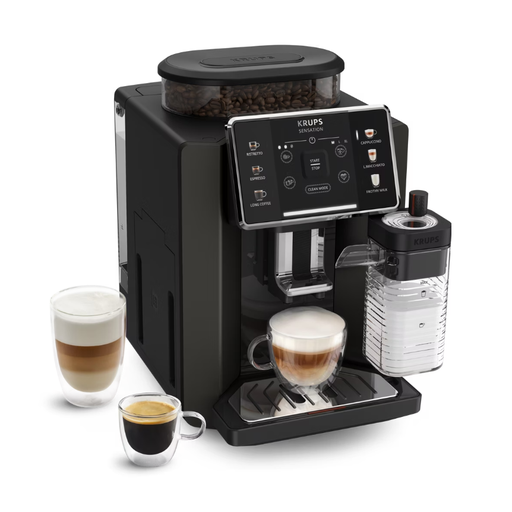
Why this product suits this profile: Milk-Maestro technology, six coffee and milk specialities, and a touch control panel make this a good choice if you regularly make cappuccino or latte macchiato.
According to the product information, the removable milk container is dishwasher-safe. Automatic rinsing, cleaning and descaling programmes also make maintenance easier to plan.
260 g bean hopper, 1.7-litre water tank, stainless steel conical grinder and two-cup function. You can adjust the strength, volume and amount of milk foam.
We’ve put together a complete, regularly updated list of products that meet these strict selection criteria and fully comply with the safety regulations in force in the EU.
Empty the drip tray and grounds container regularly, depending on how often you use the machine. The milk system needs cleaning after you make milk-based drinks. You should also run the rinsing and descaling programmes at the intervals specified by the manufacturer. Rinse removable brew units according to the instruction manual.
Lifespan depends on how often you use the machine, water hardness, maintenance and the availability of spare parts. Regular descaling, a clean milk system and suitable cleaning products can help reduce wear on the machine. Before buying, it’s worth checking the warranty, repair options and availability of wear-and-tear parts.
As well as the purchase price, you’ll need to budget for coffee beans, water filters, descaler and cleaning tablets. Milk systems may also require additional cleaning products. If you have hard tap water, a water filter may be useful, provided your machine is designed to use one. So compare more than just the purchase price: consider the tank capacity, maintenance needs and consumables too.