
Lieferung heute & morgen

Qualitätsgarantie

Willkommens-Angebote freischalten: KOSTENLOSE Lieferung | Bis zu 80 % RABATT | Kostenlose 30-Tage-JoyPlus-Testphase
App herunterladen
The aroma of freshly ground coffee wafting through your home in the morning—for many, it's an essential start to the day. A bean-to-cup coffee machine promises just that: barista-quality results at the touch of a button, from a strong espresso to a creamy latte macchiato. However, the market is cluttered and full of marketing promises that often create more confusion than clarity. Before you make an investment, it's crucial to understand the common pitfalls that can lead to disappointment and expensive purchasing errors.
As a Joybuy Product Recommendation Officer, my job is to filter market information and provide you with objective, practical advice. This guide focuses on the decisive technical features to help you find a machine that truly fits your needs.
Manufacturers often advertise with impressive numbers and features. But not all that glitters delivers good coffee. Pay special attention to these two points:
To make an informed decision, you should focus on the technical fundamentals that directly impact the quality of your coffee and the longevity of the machine.
A bean-to-cup machine with a grinder is the foundation for aromatic coffee. The beans are ground just before brewing, preserving their volatile aromas. There are two main types:
As mentioned earlier, the brew group is where hot water meets the ground coffee. The ability to clean this component is critical for hygiene and the appliance's lifespan.
For lovers of milk-based specialities, the milk system is a key criterion. A good coffee machine with a milk frother should be flexible and easy to clean.
Instead of making a blanket recommendation, we have selected models tailored to specific needs and usage habits.
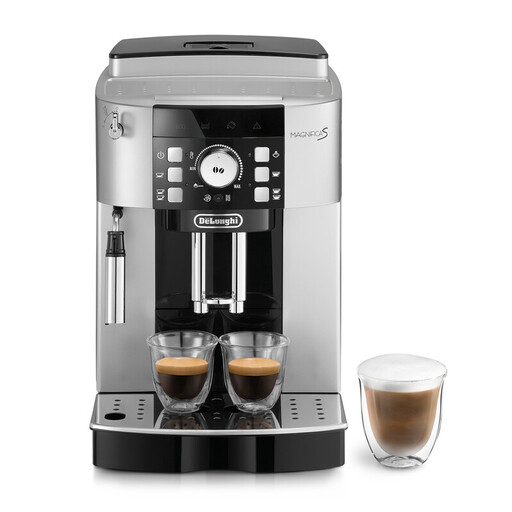
Why this model fits: This model is a tried-and-true classic, focusing on the core functions of a bean-to-cup machine. It offers reliable technology without unnecessary frills, making it ideal for anyone who wants to enjoy high-quality coffee from fresh beans with minimal fuss.
The removable brew group is easy to clean under running water, bypassing the hygiene trap of fixed systems. The manual steam wand is straightforward and more hygienic than complex milk systems.
Features a 13-setting conical burr grinder and direct controls for coffee strength and volume. A solid value proposition for a true bean-to-cup machine.
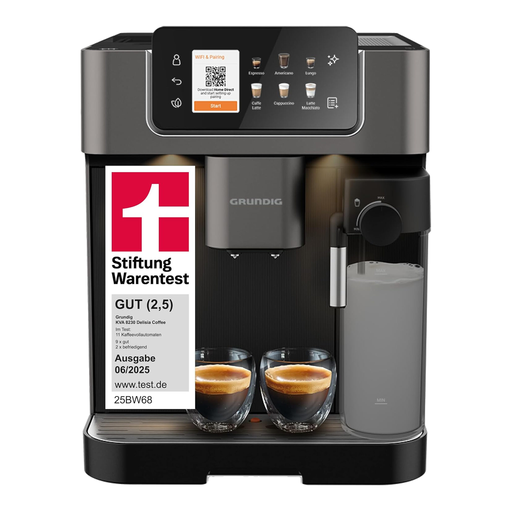
Why this model fits: For users who seek maximum convenience, a wide variety of beverages, and modern technology. The touchscreen operation and smart home integration make coffee preparation effortless.
Although it has an automatic milk system, the focus here is on the convenience that this user group prioritises. The machine also offers a high degree of variety without requiring the user to deal with manual settings.
Offers 18 coffee specialities at the touch of a button and is controllable via an app as well as with Amazon Alexa and Google Assistant. The dual spout allows for the preparation of two cups simultaneously.
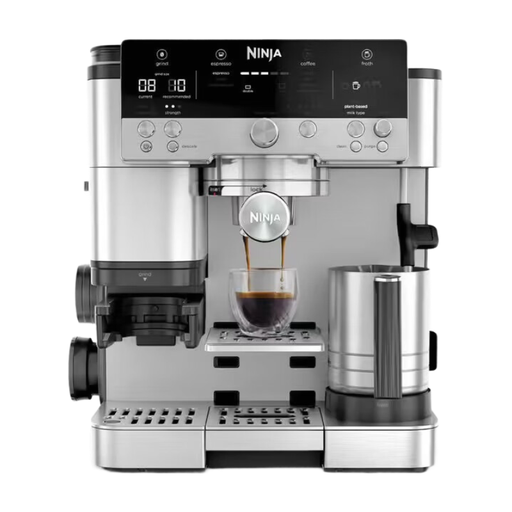
Why this model fits: This appliance is a hybrid solution aimed at users who appreciate the control of a portafilter machine but don't want to forgo the convenience of an integrated grinder and an advanced milk frother. Ideal for those who love to experiment.
As a portafilter machine, it has no hidden, fixed brew group. All parts that come into contact with coffee are directly accessible and can be cleaned manually, ensuring optimal hygiene.
Combines espresso, cold brew, and filter coffee functions in one device. The Barista Assist technology, with its integrated scale and automatic presets, helps achieve precise results.
We have compiled a complete, up-to-date list of products that fully meet these strict selection criteria and all relevant European safety standards.
1. How often does a bean-to-cup machine need to be descaled? The frequency depends on the water hardness in your area and your usage. Most modern machines will indicate when descaling is necessary. As a rule of thumb, with average use and medium water hardness, you should descale approximately every two to three months to protect the heating elements and extend the machine's lifespan.
2. What is the difference between a bean-to-cup machine and a portafilter machine? A bean-to-cup machine handles all the steps—grinding, brewing, and often milk frothing—at the touch of a button. It is designed for maximum convenience. A portafilter machine (or espresso machine) requires more manual work: you grind the beans separately, fill the portafilter with the grounds, lock it in place, and start the brewing process manually. It offers more control over the process but also requires more knowledge and practice.
3. Can I also use pre-ground coffee in a bean-to-cup machine? Many bean-to-cup machines have a separate chute for pre-ground coffee. This is useful if, for example, you want to make a decaffeinated coffee without having to change the beans in the main container. Check the product specifications to see if your chosen model offers this feature.