
Lieferung heute & morgen

Qualitätsgarantie

Willkommens-Angebote freischalten: KOSTENLOSE Lieferung | Bis zu 80 % RABATT | Kostenlose 30-Tage-JoyPlus-Testphase
App herunterladen
The search for the right bean-to-cup coffee machine can quickly become overwhelming. Manufacturers advertise a plethora of features, but not every innovation is genuinely useful in daily life. As a Joybuy Product Recommendation Officer, my mission is to provide objective guidance to ensure your investment pays off in the long run, allowing you to enjoy high-quality coffee every day. This guide focuses on the crucial criteria and helps you sidestep common purchasing traps.
Before we dive into the technical details, let's address the three most common issues that lead to dissatisfaction. Knowing these will help you make a more targeted choice.
To make an informed decision, you should focus on three core technical areas. These are the primary determinants of coffee quality and the machine's longevity.
The grinder determines how many aromas are extracted from the coffee bean. Look for the following features:
The choice of milk system depends on your personal preferences.
The speed and temperature stability of the heating system are crucial for espresso quality and user convenience.
Based on the criteria mentioned, we have compiled a selection of machines suitable for different needs and preferences.
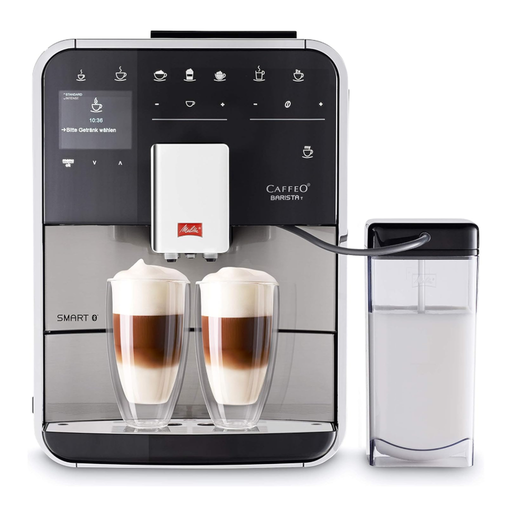
Why This Fits Their Persona: Ideal for users who want a wide variety of drinks at the touch of a button, without having to deal with manual processes. The app control and memory function for individual profiles offer high convenience for family life.
The automated cleaning programs and removable brew group directly address the cleaning trap. The wide recipe variety is made practical through user profiles, rather than being a mere marketing feature.
Two separate bean hoppers allow for switching between, for example, espresso and café crème beans. Prepares two milk-based drinks simultaneously.
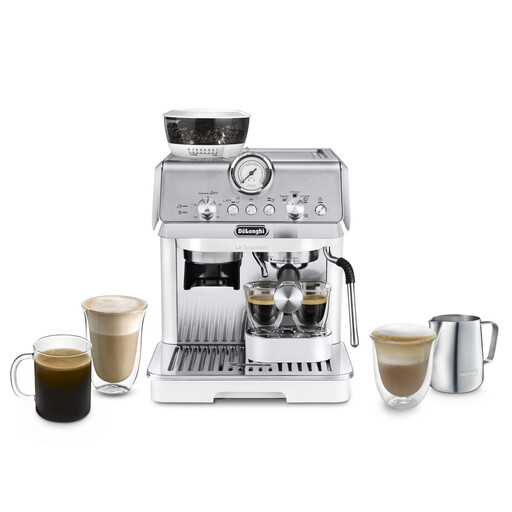
Why This Fits Their Persona: Perfect for coffee lovers who appreciate the hands-on process of preparation and want full control over grind size, dosage, and milk texture. This portafilter machine offers a guided entry into the world of the home barista.
It bypasses the underpowered grinder trap with 8 precise settings. The manual steam wand gives control back to the user, avoiding the complexity and cleaning effort of automatic systems.
Includes a comprehensive set of barista accessories (tamper, dosing funnel, milk jug). Three brewing temperatures to adapt to different bean roasts.
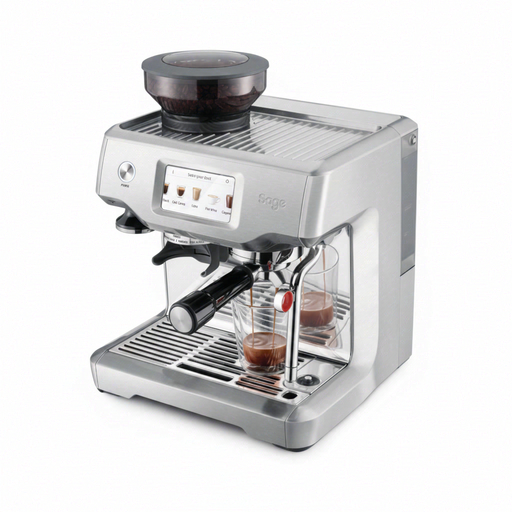
Why This Fits Their Persona: For users who seek the quality of a portafilter machine but don't want to miss the convenience of guided, automated preparation. The touchscreen makes creating barista-quality coffee accessible and repeatable.
The automatic steam wand with its self-cleaning function minimises maintenance. Here, recipe variety isn't a gimmick but an intuitive guide to creating and saving your own perfected drinks.
Extremely fast 3-second heat-up time thanks to the ThermoJet heating system. Automatic milk frothing with adjustable texture and temperature for perfect microfoam.
Some users are also interested in new preparation methods. Models like the De'Longhi La Specialista Arte Evo, for example, offer an innovative cold brew coffee machine function that prepares cold-extracted coffee in just a few minutes—an interesting option for fans of cold beverages.
We have compiled a complete, up-to-date list of products that fully meet these strict selection criteria and EU/UK safety regulations.
Daily maintenance is crucial for taste and hygiene. The milk circuit should be rinsed with the automatic program after each use. The coffee grounds container and drip tray should be emptied and cleaned daily. The brew group, if removable, should be rinsed under running water weekly. A full descaling and intensive cleaning of the coffee circuit are required every 1-3 months, depending on water hardness and frequency of use; most machines will automatically prompt you for this.
A bean-to-cup machine is designed for maximum convenience. It grinds the beans, brews the coffee, and froths the milk at the touch of a button. A portafilter machine (or semi-automatic) gives the user control over the process. You manually fill the portafilter with ground coffee, tamp (press) it, and start and stop the extraction yourself. The result is often a more nuanced espresso, but the process requires more knowledge and practice. Hybrid models like the Sage Barista Touch aim to combine the best of both worlds.
The lifespan of a grinder depends on the material and usage. Steel grinders are very robust and can last for many years with average household use (often rated for 5,000-10,000 cycles or more). Ceramic grinders are more wear-resistant and quieter, but they can break more easily if foreign objects (like small stones) are in the bean hopper. Regardless of the material, regular cleaning of the grinder to remove coffee oils is important for maintaining consistent performance.