
Lieferung heute & morgen

Qualitätsgarantie

Willkommens-Angebote freischalten: KOSTENLOSE Lieferung | Bis zu 80 % RABATT | Kostenlose 30-Tage-JoyPlus-Testphase
App herunterladen
The aroma of freshly ground beans in the morning is, for many, the epitome of quality living. A bean-to-cup coffee machine promises just that: barista-quality coffee at the touch of a button in your own kitchen. But the market is crowded, and many devices entice with features that cause more problems than they provide joy in practice. Before you make a decision, it's crucial to know the common pitfalls that often only become apparent after the purchase.
As your Joybuy Product Recommendation Officer, I'll help you navigate the marketing jungle and make an informed choice. We'll focus on the facts that truly matter for a long-lasting and satisfying coffee experience.
Many machines look high-quality at first glance but reveal their weaknesses only in daily use. Pay special attention to these three points to avoid a bad purchase:
You don't need to be a tech expert to make the right choice. Focus on these three core aspects that significantly determine the quality, longevity, and convenience of your future machine.
The grinder crushes the coffee beans right before brewing, making it crucial for the aroma. The most important distinguishing features are:
The brew group is where the ground coffee comes into contact with hot water. There are two basic systems here:
Every bean-to-cup machine must be regularly cleaned and descaled to ensure a long service life and consistent coffee quality.
Instead of presenting an overwhelming list, we have selected a few models that fit specific user profiles and cleverly avoid the pitfalls mentioned.
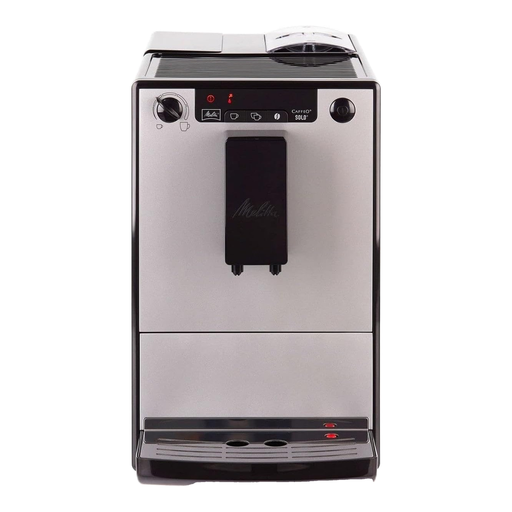
Why This Fits Their Persona: Ideal for those who want excellent black coffee or espresso without complicated menus. The focus on the essentials makes it intuitive to operate and very compact.
The brew group is removable for easy cleaning, which bypasses the hygiene trap. The automatic cleaning and descaling programme reduces maintenance effort.
Very compact design (only 20 cm wide). Aroma-Extraction-System for intense results. Adjustable coffee strength and grind level.
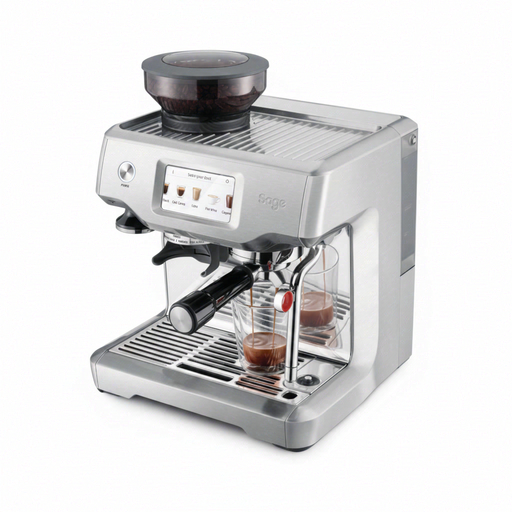
Why This Fits Their Persona: Perfect for coffee lovers who want to control and personalise the process. The intuitive touchscreen guidance combines professional features with user-friendly operation.
The automatic steam wand cleans itself after each use, minimising the hygiene risk associated with milk systems. The fast ThermoJet heating system is energy-efficient.
3-second heat-up time. Automatic microfoam milk texturing with adjustable texture and temperature. Save up to 8 personalised coffee drinks.
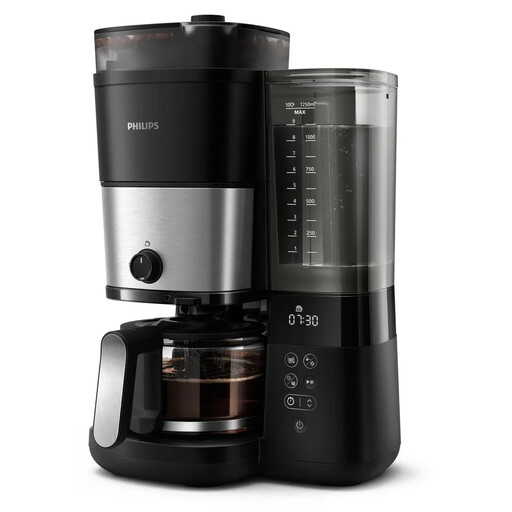
Why This Fits Their Persona: A versatile solution for households that need both a full pot of filter coffee and the occasional single cup of freshly ground coffee.
As a filter coffee machine with a grinder, the internal mechanics are less complex than an espresso machine's. The removable parts, like the bean container and water tank, are easily accessible and simple to clean.
Brews into the glass carafe, a cup, or a travel mug. Integrated conical burr grinder. Smart Dosing technology for an optimal coffee-to-water ratio.
If you prefer a built-in solution for your kitchen, we have curated a selection of appliances that integrate seamlessly into your kitchen design.
The frequency depends on the water hardness in your area and how often you use it. Modern machines indicate when descaling is required. As a rule of thumb: with average use and medium water hardness, about every two to three months. Using a water filter, like the Siemens BRITA Intenza TZ70033A, can significantly extend the intervals. For the process itself, you should use compatible products like the Siemens TZ80002A Descaling Tablets.
Both materials have their merits. Ceramic grinders are often quieter in operation and generate less frictional heat, which preserves the volatile aromas of the coffee bean. They are also extremely resistant to wear. Stainless steel grinders are very robust and less susceptible to damage from foreign objects (e.g., a small stone in the beans), but they can be slightly louder. The choice is often a matter of personal preference regarding noise level and durability.
Using original care products is an investment in the lifespan of your appliance. Products like the Bosch Care Set TCZ8004A or the Siemens TZ80001A Cleaning Tablets are chemically formulated to be perfectly compatible with the materials of the hoses, seals, and brew group. Third-party products may contain aggressive acids or alkalis that can attack plastics and metals, leading to leaks or malfunctions. Furthermore, using original accessories ensures you maintain the manufacturer's warranty.