
Lieferung heute & morgen

Qualitätsgarantie

Willkommens-Angebote freischalten: KOSTENLOSE Lieferung | Bis zu 80 % RABATT | Kostenlose 30-Tage-JoyPlus-Testphase
App herunterladen
A bean-to-cup coffee machine promises enjoyment at the touch of a button: freshly ground espresso, creamy cappuccino, or a latte macchiato just like from a café. But the market is overwhelming, and many devices don't live up to their marketing promises. As your Joybuy Product Recommendation Officer, I'll help you identify the crucial features and avoid common pitfalls, ensuring your investment pays off in the long run.
Before we dive into the important technical details, let's shed light on three common marketing promises that often lead to disappointment.
To avoid a bad purchase, you should focus on three core components that significantly determine the quality, longevity, and user-friendliness of your machine.
A Bean-to-Cup machine thrives on freshly ground beans. The quality of the grinder is therefore crucial.
For lovers of cappuccino and latte macchiato, the bean-to-cup machine with a milk system is a central criterion. There are three common variants here:
The brew group is the central unit where the coffee grounds are extracted with hot water. Coffee oils and moisture inevitably accumulate here. A removable brew group can be easily rinsed under running water. This allows for thorough and regular manual cleaning, which contributes to the machine's longevity and consistent coffee quality. Fixed brew groups rely solely on automatic cleaning programmes.
Here are some models that represent a considered choice for different user profiles based on objective features.
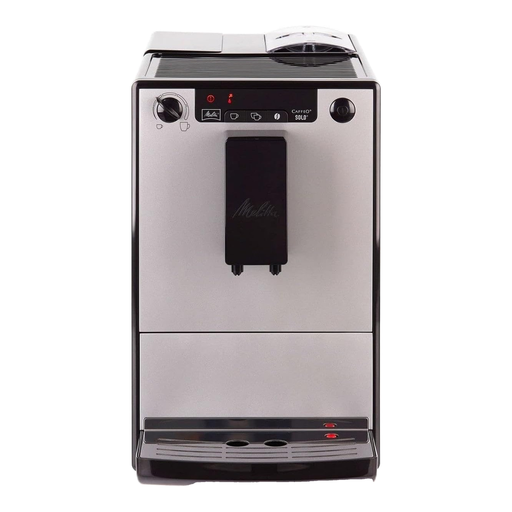
Why This Fits Their Persona: Ideal for coffee lovers who value pure espresso and café crème and have limited kitchen space. This compact bean-to-cup machine focuses on the essentials: excellent coffee.
The device avoids the trap of complex milk systems by deliberately omitting one. The focus is on coffee quality, supported by the Aroma-Extraction-System for the pre-brewing function.
Very slim design (20 cm wide), simple operation, and a removable brew group for uncomplicated cleaning.
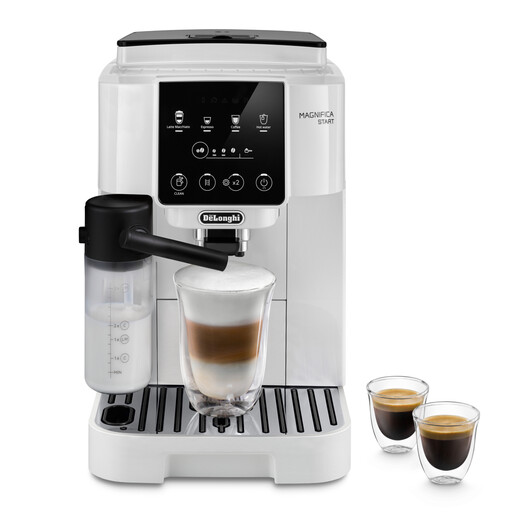
Why This Fits Their Persona: Perfect for households where a variety of coffee specialities are desired. The simple one-touch operation and automatic milk system make preparing cappuccinos and other drinks effortless in a hectic daily routine.
The LatteCrema Hot technology is designed for easy handling and features an automatic cleaning function after each use, which minimises effort and ensures hygiene.
Direct selection buttons for four coffee specialities, customisable aroma and temperature settings, and dishwasher-safe components for easy maintenance.
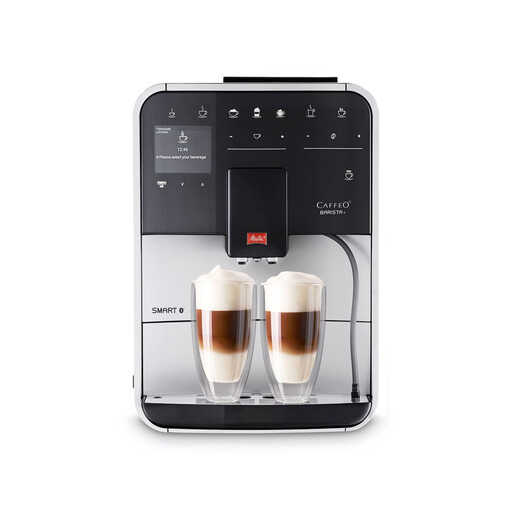
Why This Fits Their Persona: For users who seek maximum control and variety. With app control, two bean chambers, and up to 18 drink variations, this Melitta coffee machine offers a high degree of personalisation for discerning coffee drinkers.
Despite its wide range of functions, operation remains intuitive thanks to the touch display and the Melitta Connect App. The quiet grinder and automatic cleaning programmes directly address quality and maintenance concerns.
Two bean chambers for different types of beans, storage for up to four user profiles, and the ability to prepare two milk-based drinks simultaneously.
We've compiled a complete, up-to-date list of products that fully meet these strict selection criteria and local safety regulations.
Most modern machines will prompt you to clean or descale via the display. As a rule of thumb:
Both materials have their merits. A ceramic grinder is often quieter and generates less heat, which preserves the coffee's aroma. It is very wear-resistant but can be more sensitive to foreign objects (e.g., a small stone in the beans). A stainless steel grinder is extremely robust and resilient but can be slightly louder. The choice is ultimately a personal preference between noise level and maximum durability.
Yes, many models have a separate powder chute. This is useful if you want to prepare decaffeinated coffee, for example, or try a different blend without changing the beans in the main container. However, for the best aroma and the freshest cup of coffee, preparing it with freshly ground beans from the integrated grinder is always the preferred method.