
Lieferung heute & morgen

Qualitätsgarantie

Willkommens-Angebote freischalten: KOSTENLOSE Lieferung | Bis zu 80 % RABATT | Kostenlose 30-Tage-JoyPlus-Testphase
App herunterladen
The desire for café-quality coffee in the comfort of your own home leads many to purchase a fully automatic coffee machine. However, the market is overwhelming and full of marketing promises that often obscure more than they clarify. Before you make a decision, you should be aware of the most common pitfalls that lead to disappointment and unnecessary expense.
To avoid a bad purchase, it's important to focus on the core technical features that determine a machine's performance and longevity.
An integrated grinder is what defines an espresso machine with a grinder. It grinds the beans fresh for every cup. Pay attention to the following aspects:
For many, the preparation of milk foam is a key criterion. There are two basic systems here:
The brew group is the unit where the ground coffee comes into contact with hot water.
Based on these objective criteria, we have compiled a selection of machines suitable for different user profiles and their requirements.
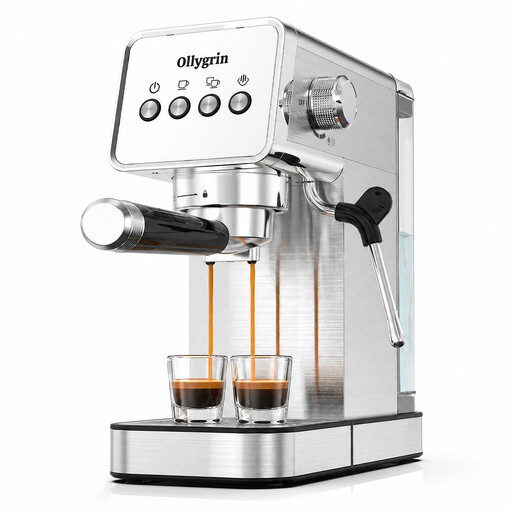
Why this model is a good fit: Ideal for anyone looking to enter the world of portafilter machines on a modest budget. The device focuses on the fundamentals of espresso preparation and, with its manual steam wand, offers the opportunity to learn how to froth milk.
While the stated pressure of 20 bars is high, with a portafilter machine, you control the extraction time manually. This allows you to prevent over-extraction, unlike with a fully automatic cycle.
The removable water tank and drip tray facilitate daily cleaning. Manual operation gives the user full control over the brewing process.
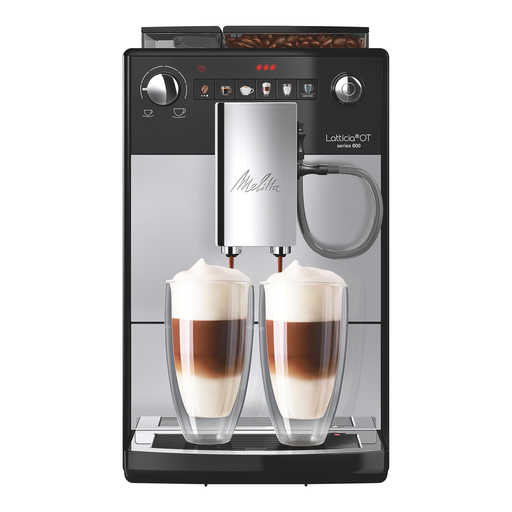
Why this model is a good fit: For users who want to enjoy a variety of coffee specialities at the touch of a button. The "One-Touch" function and the automatic Latte-perfection milk system make preparing cappuccinos and latte macchiatos extremely simple.
This model features a removable brewing unit. This directly addresses the hygiene trap, as the unit can be easily taken out for thorough manual cleaning.
The "whisper-quiet" grinder and compact dimensions make the machine particularly suitable for use in open-plan kitchens. The XL water tank and bean container reduce the frequency of refills.
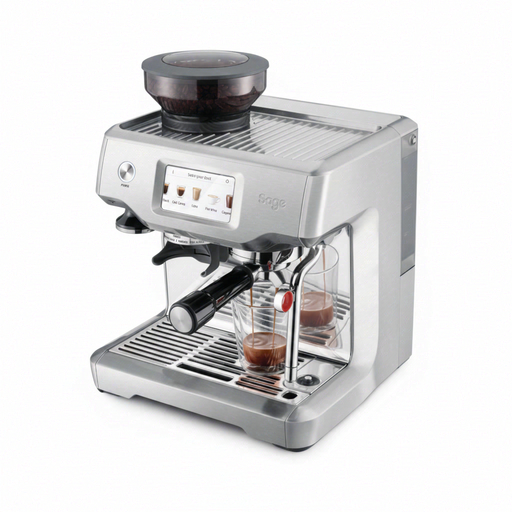
Why this model is a good fit: A hybrid solution that combines the convenience of a touchscreen with the control of a portafilter machine. Perfect for users who want to take charge of the brewing process but benefit from guided settings and automatic milk frothing.
The integrated stainless steel conical burr grinder and precise temperature control (ThermoJet system) address the problems of overheated beans and unstable brewing temperatures. The user retains control over grind size and dosage.
The 3-second heat-up time is a clear efficiency benefit. The automatic milk frother allows for the creation of microfoam with adjustable texture and temperature, which is useful for latte art.
We have compiled a complete, up-to-date list of products that fully meet these strict selection criteria and German safety regulations.
The frequency of descaling depends on the water hardness in your area and how often you use the machine. Most modern devices have a built-in reminder function. As a general guideline, descaling every two to three months is recommended. Using a water filter in the water tank can reduce the need for descaling.
A bean-to-cup machine is a system that automates all steps—grinding, brewing, and often milk frothing—at the touch of a button. A portafilter machine requires manual steps: you must grind the coffee separately (or use a model with an integrated grinder), fill the portafilter with the coffee grounds, tamp it (press it down), and lock the portafilter into the machine. This offers more control over the process but also requires more effort and knowledge.
Both materials have their merits. Stainless steel grinders, especially conical burr grinders, are very common as they are considered robust and durable, and they manage heat build-up well during grinding. Ceramic grinders are taste-neutral, corrosion-free, and often quieter in operation, but they can be more sensitive to foreign objects in the beans. For most home users, a high-quality stainless steel grinder is a reliable and long-lasting choice.