
Lieferung heute & morgen

Qualitätsgarantie

Willkommens-Angebote freischalten: KOSTENLOSE Lieferung | Bis zu 80 % RABATT | Kostenlose 30-Tage-JoyPlus-Testphase
App herunterladen
A bean-to-cup coffee machine with a grinder combines a coffee bean container, grinder and brewing unit in one appliance. This saves space and lets you enjoy freshly ground coffee at the touch of a button. For families, couples, shared households and small offices, the choice isn't just about the variety of drinks on offer. What really matters are ease of use, cleaning, noise levels, capacity and the right design for your needs.
A bean-to-cup coffee machine with a milk system can offer numerous recipes. But if you mainly drink espresso, black coffee and cappuccino in your daily routine, extra programmes may go unused. So pay attention to the drinks you actually want to make, as well as the ability to adjust coffee strength, water volume and milk ratio.
A specification like "15 bar" or "20 bar" describes the maximum pump pressure, not automatically the quality in your cup. When choosing, you should also consider the grind setting, dosage, brewing temperature and the design of the brewing unit. A higher number alone shouldn't be a decisive buying argument.
An integrated milk system makes cappuccino and latte macchiato easier to prepare. However, milk pipes, containers and spouts need regular rinsing and cleaning. Check whether the system has an automatic rinse programme, removable components or dishwasher-safe parts. A manual steam wand gives you more control, but also more hands-on work.
A coffee machine with an integrated grinder should suit your preferred coffee style. Conical burr grinders are common in many machines. The more grind settings available, the finer you can adjust the grind to suit your beans and drink. Models with 13, 15, 25 or 30 steps offer different ranges, but the number alone doesn't tell you about the actual grinding quality.
The size of the bean container also matters. For a small household, a 250 g container may be enough. Families or offices might benefit from 300 g or more, but you'll need to protect the beans from losing their aroma if they sit for longer periods.
A tank of 1.2 to 1.5 litres is often suitable for smaller households. For several people, 1.8 to 2.2 litres reduces the number of refills. Measure your worktop space before buying and make sure the water tank, drip tray and brewing unit remain accessible.
A bean-to-cup coffee machine for home also needs to be plugged into a suitable socket. The product specifications for voltage and power must match the UK mains supply. For machines with a steam function, be aware of hot surfaces and escaping steam.
A bean-to-cup coffee machine with a touchscreen can simplify choosing from many recipes. For users who prefer just a few drinks, direct-select buttons and a rotary dial are often sufficient. A one-touch coffee machine is especially handy if you want to make cappuccino or milky coffee without separate steps.
Look out for:
A classic espresso machine with a grinder and portafilter offers more manual control. However, you'll need to dose the beans, prepare the portafilter and steam the milk separately.
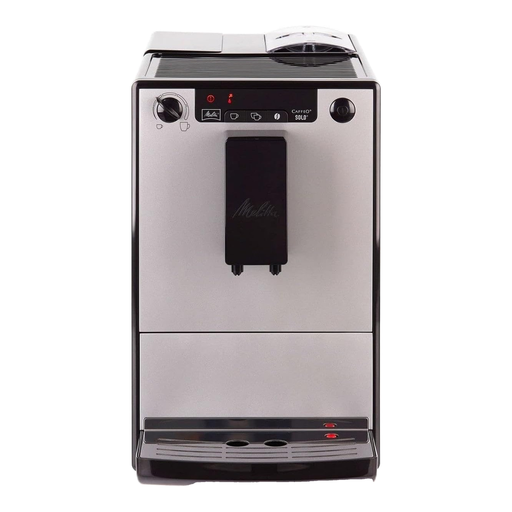
Why this product fits the profile: This compact model focuses on black coffee and espresso, and with its 1.2-litre water tank it takes up relatively little worktop space.
The selection avoids unnecessary milk programmes and instead offers three coffee strengths plus an automatic cleaning function.
Integrated grinder, height-adjustable spout, two-cup function and programmable switch-off time.
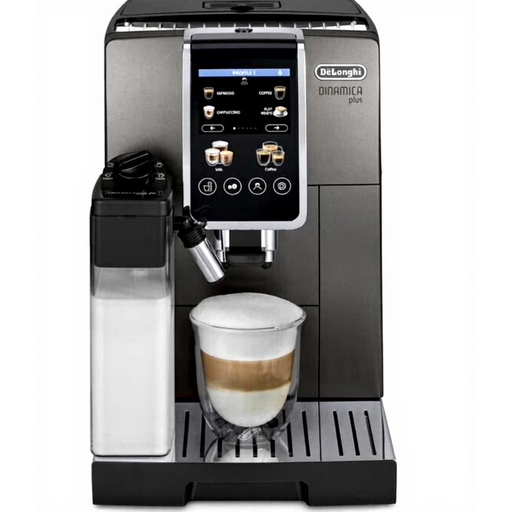
Why this product fits the profile: 24 saved drinks, four user profiles and a 3.5-inch TFT colour display offer plenty of personalisation options for families and couples.
According to the product specifications, the milk system has automatic cleaning for the milk-carrying parts. Settings are kept separate per user profile.
1.8-litre water tank, 300 g bean container, 13 grind settings and removable containers.
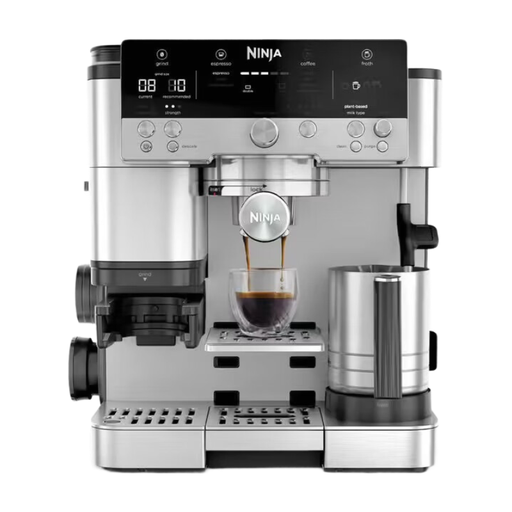
Why this product fits the profile: If you want to make filter coffee and cold brew as well as espresso, this machine offers several brewing methods in one appliance.
The selection specifies 25 grind settings and four frothing programmes rather than just general convenience promises.
Integrated scales, 1.5-litre water tank, four milk or froth options and comprehensive cleaning accessories.
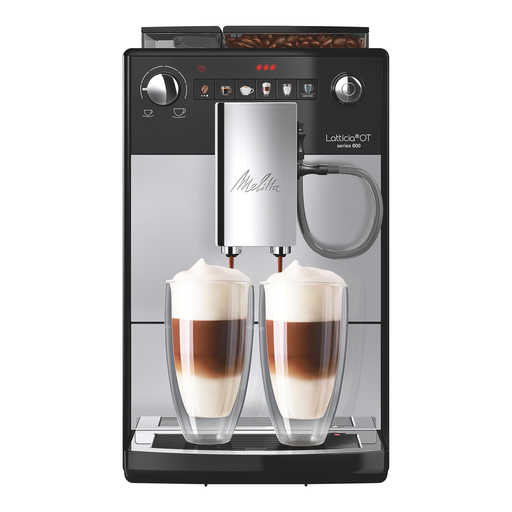
Why this product fits the profile: The one-touch function and Latteperfection milk system are designed for users who want milky coffee specialities with minimal steps.
The machine specifies concrete automatic cleaning and descaling programmes, as well as a removable brewing unit.
250 g bean container, 1.5-litre water tank, two cups at once and height-adjustable spout.
We've put together a complete, regularly updated list of products that fully meet these strict selection criteria and the safety regulations in force in the EU.
Ongoing costs aren't just about electricity and coffee beans. Limescale, water filters, cleaning products and milk system maintenance can also add up. In areas with hard water, it's worth setting the water hardness correctly. Descale according to the manufacturer's instructions and clean the drip tray, coffee grounds container and milk components regularly.
For a long service life, only use suitable coffee beans, keep the bean container dry and never run the machine without water. Automatic switch-off and short heating times can improve convenience, but they don't tell you anything about the actual lifespan on their own.
Yes, as long as the water tank and bean container match your daily consumption. For several people, at least 1.8 litres of water and around 250 to 300 g of beans are usually practical. A two-cup function reduces waiting times.
The drip tray and coffee grounds container should be emptied regularly depending on use. Milk-carrying parts usually need rinsing after each use. Descaling and a thorough clean of the brewing unit depend on water hardness, how often you use the machine and the manufacturer's instructions.
Besides the purchase price, you need to factor in bean consumption, electricity, water filters and care products. Machines with lots of features can offer more convenience, but may also require extra maintenance. So don't just compare the purchase price – also consider cleaning effort, spare parts and the availability of consumables.