
Lieferung heute & morgen

Qualitätsgarantie

Willkommens-Angebote freischalten: KOSTENLOSE Lieferung | Bis zu 80 % RABATT | Kostenlose 30-Tage-JoyPlus-Testphase
App herunterladen
The desire for barista-quality coffee at home leads many directly to purchasing a fully automatic coffee machine. However, the market is filled with tempting offers and technical specs that confuse more than they clarify. Before you make a decision, it's crucial to recognise common marketing traps that often lead to disappointment and unnecessary expense.
Two of the most common pitfalls are exaggerated performance claims and high-maintenance convenience features. Many machines advertise high pump pressure, which alone is no guarantee of good espresso. Similarly, a milk system marketed as "self-cleaning" may, in practice, require significant manual effort, undermining the very idea of convenience. This guide will help you critically evaluate these aspects and make an informed choice.
To find a suitable bean-to-cup machine for home use that you'll enjoy for years to come, you should focus on a few crucial technical features. These are the primary determinants of coffee quality and everyday ease of use.
A high-quality bean-to-cup machine with a grinder is the foundation for aromatic coffee. The quality of the grinder determines how evenly the beans are ground, which in turn affects the extraction of flavours.
barista-quality coffee.For lovers of cappuccino or latte macchiato, a bean-to-cup machine with a milk container is an obvious choice. There are two common systems, and the cleaning effort they require is often underestimated.
Technical specifications like a 19-bar pump sound impressive but should be taken with a grain of salt. For a perfect espresso, a pressure of around 9 bars at the brew group is ideal. High pump pressure is only an advantage if the machine can precisely regulate this pressure during the brewing process.
Additional features like a bean-to-cup machine with app control can enhance convenience. They allow you to start brewing specialty coffees at the touch of a button via your smartphone or save custom recipes. However, consider whether these features offer real value for your daily routine or are merely a technical gimmick.
Instead of making a one-size-fits-all recommendation, we have selected products that fit specific user profiles and are designed to avoid common problems.
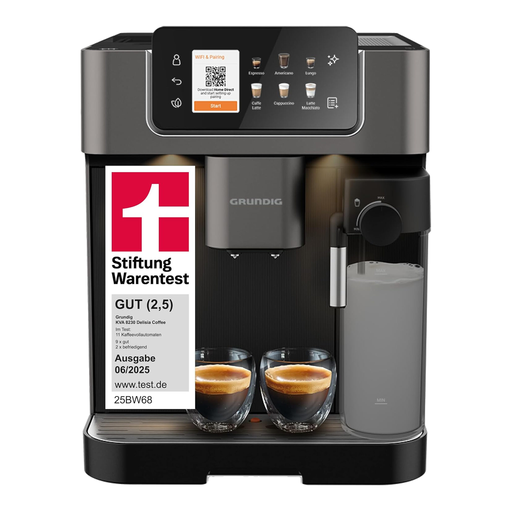
Why This Fits Their Persona: Ideal for users who appreciate a wide variety of specialty coffees and see control via app or voice assistant as a real added value. The machine combines convenience with extensive settings for daily use.
The stainless steel grinder with 13 grind settings offers extensive control, bypassing the trap of limited customisation. The removable components of the milk system facilitate manual cleaning and prevent hygiene issues.
Connectivity via Wi-Fi for app and voice control (Amazon Alexa, Google Assistant). The dual spout allows for the simultaneous preparation of two specialty coffees.
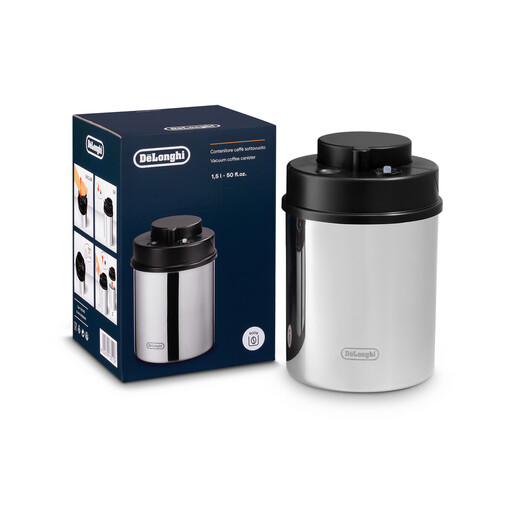
Why This Fits Their Persona: For coffee lovers who know that the quality of the bean is paramount. This accessory ensures that the investment in a good automatic machine isn't negated by aroma loss during bean storage.
It addresses the often-overlooked trap of improper storage. Even the best machine can't make good coffee from old, oxidised beans. The vacuum seal actively protects the aroma.
Manual vacuum pump for easy air removal. The integrated date indicator helps you keep track of the beans' freshness. The stainless steel body protects against light and moisture.
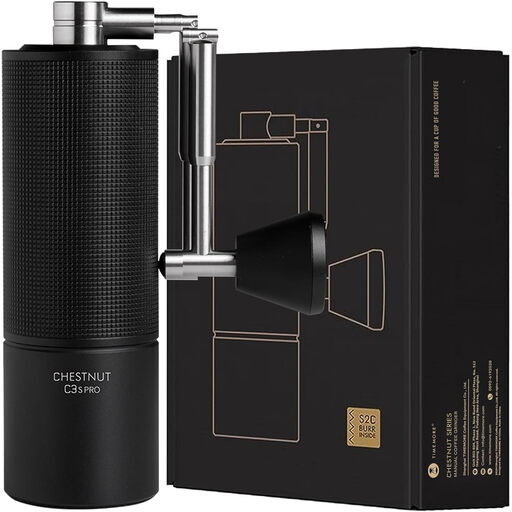
Why This Fits Their Persona: A perfect supplement to a bean-to-cup machine for users who enjoy trying special bean varieties or decaf coffee without having to empty the main machine's bean hopper. It offers maximum control for special moments of indulgence.
This grinder bypasses the "one-size-fits-all" trap of an integrated grinder. With approx. 36 grind settings, it offers extremely fine adjustment that goes far beyond the capabilities of many fully automatic machines.
Precision-engineered 38mm conical burr made of hardened stainless steel. The compact design and foldable handle also make the grinder ideal for travel.
To keep your coffee beans at their freshest, we've curated a selection of high-quality storage solutions that prioritise aroma protection.
1. How often should you clean a bean-to-cup machine with a milk container? The milk-carrying parts should be cleaned daily. Many modern machines offer automatic rinsing programs that run after each milk-based drink is prepared. A thorough manual cleaning of the milk container, hoses, and nozzles should also be done at least once a week to prevent the build-up of milk residue and bacteria. Always follow the manufacturer's specific instructions.
2. What is the right grind size for a bean-to-cup machine? For espresso from a fully automatic machine, a fine grind is generally required, but not as fine as for a professional portafilter machine. A grind that is too fine can clog the brew group, while one that is too coarse will result in a watery, under-extracted coffee. Start with a medium setting and adjust the grind size step-by-step until you find the perfect extraction for your beans and taste.
3. Is app control on a bean-to-cup machine really worth it? The utility of app control is subjective. For tech enthusiasts who enjoy creating and saving their own coffee creations with precise volume and strength settings, it can offer significant value. The ability to start your coffee from the sofa or receive maintenance alerts directly on your smartphone is also a convenience for many. For users who primarily drink standard beverages, such a feature may not be a deciding factor in their purchase.