
Lieferung heute & morgen

Qualitätsgarantie

Willkommens-Angebote freischalten: KOSTENLOSE Lieferung | Bis zu 80 % RABATT | Kostenlose 30-Tage-JoyPlus-Testphase
App herunterladen
A bean-to-cup coffee machine should grind fresh beans, make a range of drinks and keep cleaning to a manageable level. In practice, machines vary considerably in how they work, what they offer, how much space they take up and how much maintenance they need.
Three common buying misconceptions can lead to unnecessary spending:
A bean-to-cup coffee machine with a grinder grinds the beans just before brewing. Check the following details:
A high pump pressure, such as 15 or 19 bar, indicates the pump’s technical maximum. Grind size, dosage and brewing temperature also affect what ends up in your cup.
If you often drink cappuccino or latte macchiato, check how the milk system is designed. A coffee machine with a milk system may use a milk container, a tube or a separate nozzle.
Pay particular attention to:
The LatteCrema system, for example, is fitted to several De'Longhi models. Product information states that the milk system is cleaned automatically after use. This is convenient, but doesn’t replace regularly taking apart and rinsing the removable parts as instructed.
A bean-to-cup coffee machine with automatic cleaning should offer rinsing, cleaning and descaling programmes. Also check whether the brew group can be removed and whether the water tank and drip tray are easy to reach.
Dimensions matter in UK kitchens, too:
A bean-to-cup coffee machine with a touchscreen makes it easier to choose from a wide range of recipes. Physical buttons may suit those who prefer direct controls without navigating menus. App control is particularly useful if you want to manage user profiles, recipes and maintenance reminders digitally.
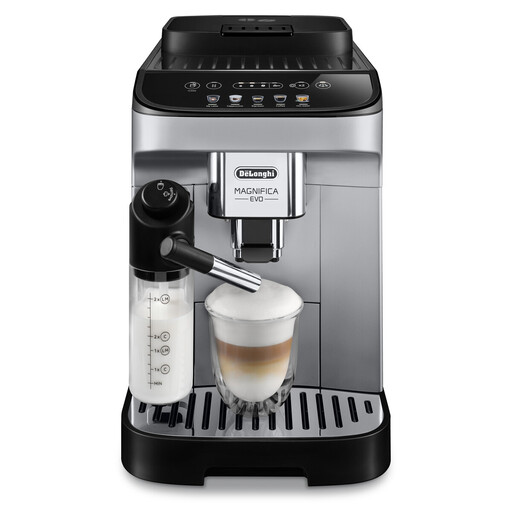
Why it suits this type of user: It offers seven drinks you can select directly, a 1.8-litre water tank and a soft-touch control panel. It’s a good choice for households that want to make classic coffee and milk-based drinks without using an app.
The product specifications list a conical grinder with 13 grind settings, as well as removable, dishwasher-safe parts. This makes it easier to keep track of essential maintenance.
LatteCrema milk system, two-cup function and MyLatte function, which uses the amount of milk you pour in.
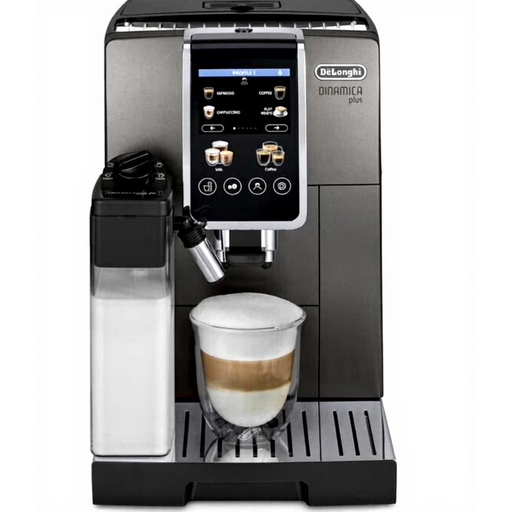
Why it suits this type of user: This model is designed for households with different tastes. A 3.5-inch TFT colour display, 24 recipes and up to four user profiles give you plenty of options to personalise your drinks.
Automatic cleaning of the milk-carrying parts is specifically listed. The water tank and milk container are also removable.
300-gram bean hopper, 13 grind settings, two-cup function and clear TFT touchscreen.
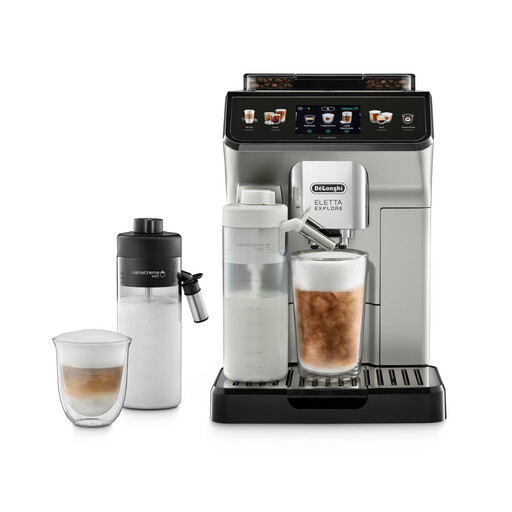
Why it suits this type of user: This model is a good option if you want to make cold coffee specialities as well as classic hot drinks. The to-go function is designed for cups up to 16 centimetres tall.
Automatic descaling, cleaning and rinsing programmes are listed. According to the product description, several removable parts are dishwasher-safe.
40 listed recipes, LatteCrema Hot & Cool, a 1.8-litre water tank and a 300-gram bean hopper.
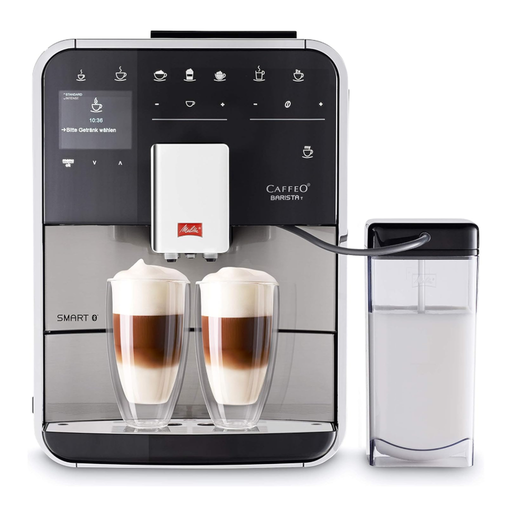
Why it suits this type of user: Four user profiles, two separate bean hoppers and the Melitta-Connect app make it a good fit for households with several people and different coffee preferences.
Automatic rinsing, cleaning and descaling programmes are included. The care instructions also recommend cleaning the brew group regularly.
18 drinks, two milk drinks at once, two bean hoppers holding 135 grams each and app control.
We’ve put together a complete, regularly updated list of products that meet these strict selection criteria and fully comply with the safety regulations in force in the EU.
A Philips capsule machine such as the Philips L'Or Barista Sublime LM9012/23 uses compatible capsules and doesn’t need a grinder. It may be a good choice if compact operation and quick single servings matter more to you than freshly ground beans, user profiles or an integrated milk system.
A bean-to-cup coffee machine, on the other hand, gives you more flexibility when it comes to choosing beans, adjusting the grind and setting up your drinks. With capsule machines, you should also consider ongoing costs, the availability of compatible capsules and how to dispose of them.
Empty the drip tray and coffee grounds container when the machine prompts you to. It’s a good idea to rinse the milk system after making milk-based drinks. Depending on the model, the brew group, milk container and pipes also need regular manual cleaning. How often you need to descale the machine depends on your water hardness, whether you use a filter and how often you use it.
There’s no reliable lifespan that applies to every model. It depends on factors including how many drinks you make each day, water quality, care, descaling and the availability of spare parts. A removable brewing system and easily accessible components can make maintenance easier.
As well as the purchase price, you’ll need to budget for beans, water filters, descaler and cleaning products. Milk systems also need daily care and may require additional cleaning products. A capsule machine may seem cheaper to buy, but capsules add ongoing costs. The best option for you will depend on how many drinks you make and which types of coffee you prefer.