
Lieferung heute & morgen

Qualitätsgarantie

Willkommens-Angebote freischalten: KOSTENLOSE Lieferung | Bis zu 80 % RABATT | Kostenlose 30-Tage-JoyPlus-Testphase
App herunterladen
Purchasing a bean-to-cup coffee machine is an investment in your daily coffee ritual. However, the market is flooded with marketing promises that often obscure more than they clarify. Many machines quickly prove to be impractical or high-maintenance. Before you make a decision, it's crucial to understand the common pitfalls that can lead to disappointment and unnecessary expense.
As your Joybuy Product Recommendation Officer, I'll help you define objective criteria for your selection and find a machine that truly fits your needs.
Choosing the wrong machine often leads to frustration. Pay close attention to these three points to avoid a purchase you'll regret:
To assess a machine's quality and longevity, you should focus on core technical features rather than marketing slogans.
The aroma of your coffee is largely determined by freshly ground beans. Therefore, the integrated grinder is the most important component of any coffee machine with a grinder.
For fans of milk-based coffees, the type of milk system is a deciding factor.
Newer models offer innovative preparation methods. A Cold Brew function, for example, extracts the coffee using cold water under pressure. The result is a smooth, low-acidity, and refreshing coffee drink prepared in just a few minutes—a significant advantage over the traditional method, which takes 12 to 24 hours.
Here are some recommendations tailored to different user profiles and requirements.
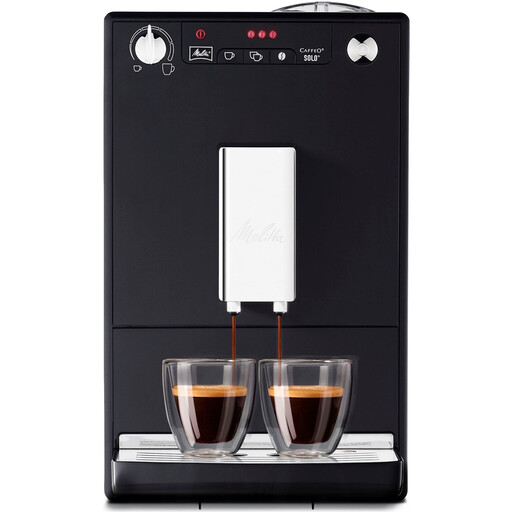
Why this model fits: This machine focuses on the essentials: excellent espresso and café crème from freshly ground beans. At just 20 cm wide, it's an extremely slim coffee machine that fits into even the smallest kitchen.
This model directly solves the space problem and features a removable brew group, which bypasses the "self-cleaning" trap by ensuring easy cleaning.
The Aroma-Extraction-System (pre-brewing function) moistens the coffee before the actual brewing process to release maximum aroma. The coffee strength is adjustable in three levels.
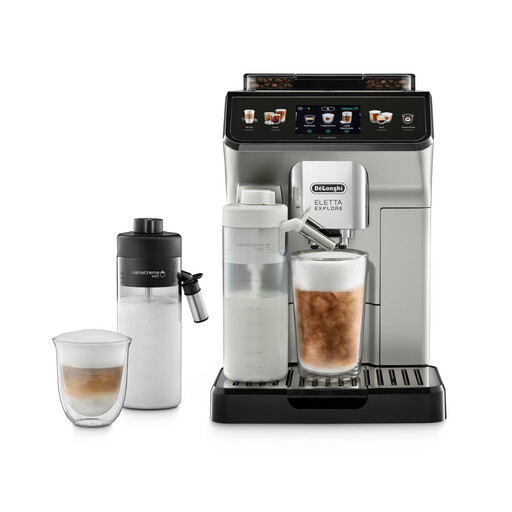
Why this model fits: For households with diverse preferences. This machine from De'Longhi prepares over 40 hot and cold beverages at the touch of a button, from espresso to refreshing Cold Brew Cappuccino. Ideal for anyone who values variety and maximum convenience.
The LatteCrema Hot & Cool system is a sophisticated milk foam solution that avoids the trap of inferior frothers. It consistently delivers creamy foam for both hot and cold drinks.
The huge variety of recipes and the innovative Cold Brew function make this machine extremely versatile. The 3.5-inch TFT colour display ensures intuitive operation.
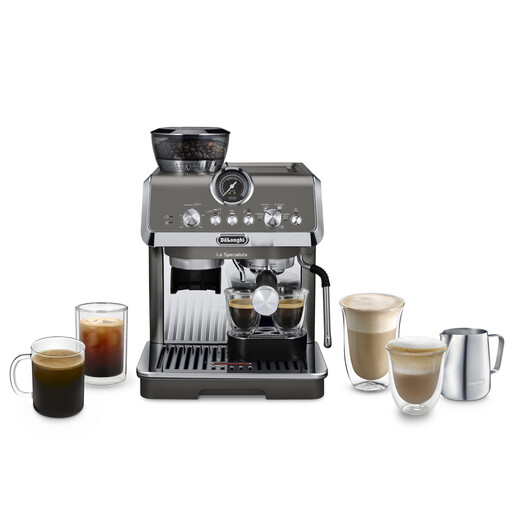
Why this model fits: This machine is a bridge between a fully automatic model and a professional home espresso machine. It offers manual control over the brewing process but provides support with an integrated grinder and a barista kit. Perfect for those who want to celebrate the art of coffee making.
Unlike many entry-level portafilter machines, this one comes with a complete, high-quality accessory kit (tamper, dosing funnel, milk jug). The integrated grinder saves you the expense of a separate purchase.
The My LatteArt steam wand allows for the creation of barista-quality microfoam. The machine also features Cold Extraction Technology for cold brew in under 5 minutes.
We have compiled a complete, up-to-date list of products that fully meet these strict selection criteria and German safety regulations.
1. How often does a bean-to-cup coffee machine need to be cleaned and descaled? Daily maintenance should include emptying the coffee grounds container and the drip tray. For machines with a milk system, the milk-carrying parts should be rinsed after each use. The removable brew group should be cleaned weekly under running water. A full descaling is required every two to three months, depending on water hardness and frequency of use. Modern machines will automatically remind you.
2. What is the difference between a bean-to-cup machine and a portafilter machine? A bean-to-cup machine is designed for maximum convenience: grinding, brewing, and often milk frothing happen at the touch of a button. A portafilter machine requires manual steps: you grind the beans separately, fill and tamp the coffee grounds in the portafilter, and start the extraction manually. This offers more control over the final result but also requires more knowledge and practice.
3. Is a cold brew function really worth it? For lovers of iced coffee and smooth cold beverages, this function is a significant value-add. Traditional cold brew requires 12-24 hours of steeping time. A machine with a Cold Brew function prepares a comparable, often smoother and less acidic drink in just a few minutes. If you regularly drink cold coffee, the convenience is substantial.