
Lieferung heute & morgen

Qualitätsgarantie

Willkommens-Angebote freischalten: KOSTENLOSE Lieferung | Bis zu 80 % RABATT | Kostenlose 30-Tage-JoyPlus-Testphase
App herunterladen
A new bean-to-cup coffee machine should bring joy, not frustration. Yet, many buyers find their promising new appliance becomes a source of daily annoyance. The reasons often lie in details rarely mentioned in marketing brochures. Before you invest in a new bean-to-cup coffee machine, you should know the three common traps that can lead to buyer's remorse.
To make an informed decision, you should focus on these core technical parameters instead of marketing slogans.
A coffee machine with a built-in grinder is the defining feature of a bean-to-cup model. The quality of the grinder directly influences the taste.
For lovers of cappuccino and latte macchiato, the milk system is a central criterion.
Instead of an overwhelming list, here are three machines tailored to specific user profiles.
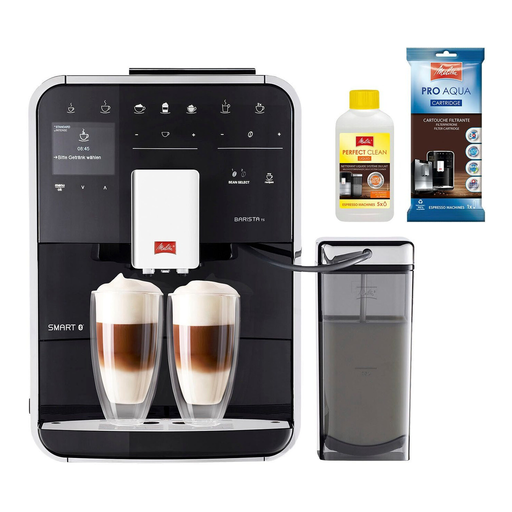
Why it's a great fit: Ideal for tech-savvy users seeking maximum convenience and variety. With 21 coffee specialities, app control, and memory profiles for 8 people, every wish is fulfilled at the touch of a button.
The machine features automatic cleaning and descaling programmes that minimise the hidden effort of the "one-touch" trap. The grinder, described as quiet, also addresses the noise factor.
High degree of personalisation through the "My Coffee Memory" function and control via the Melitta Connect App.
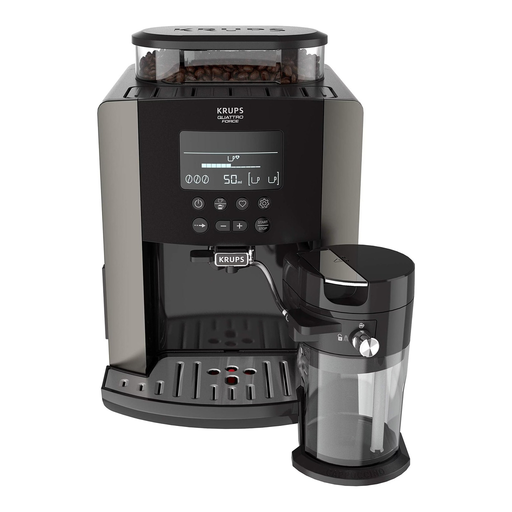
Why it's a great fit: A compact bean-to-cup machine that focuses on core functions. It offers a milk system and solid performance for discerning households without breaking the budget.
The machine offers the "one-touch" experience for milk-based drinks at an accessible price point. Although the cleaning requires some getting used to, an integrated programme is included.
The Quattro Force technology ensures an optimised brewing process and a very fast heat-up time of just 30 seconds.
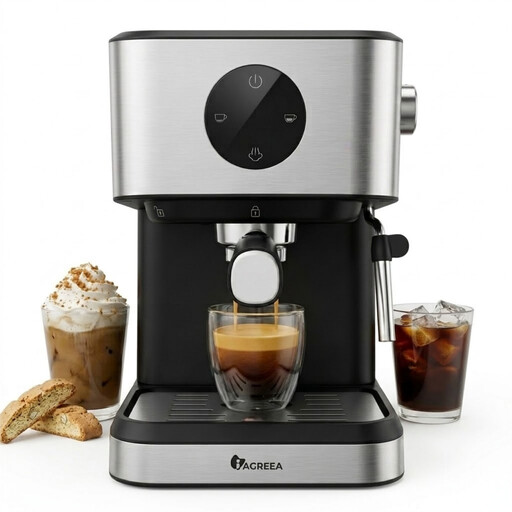
Why it's a great fit: As a classic portafilter machine, it gives the user full control over the brewing process – from grinding (externally) and tamping to manually frothing milk.
This machine completely bypasses the trap of hidden cleaning effort found in automatic milk systems. The manual steam wand is easy to wipe down and purge after use.
The combination of a 20-bar pump and a professional steam wand allows for powerful extraction and the practice of latte art for an authentic coffee experience.
We have compiled a complete, up-to-date list of products that meet these strict selection criteria and German safety regulations.
The frequency depends on the water hardness in your area and your usage. Most modern machines have a built-in reminder function that prompts you to start the descaling programme. With average use and medium water hardness, this is typically required every two to three months. Some models that use special water filters need to be descaled less frequently, according to the manufacturer's specifications.
Both materials have their advantages. Ceramic grinders are very hard, generate less heat during grinding (which preserves the aroma), and are corrosion-resistant. However, they can be more brittle and may break more easily if there are foreign objects (e.g., small stones) in the beans. Stainless steel grinders are extremely robust and durable. They are less sensitive but can theoretically generate more heat. In high-quality machines, however, this effect is minimal.
Many bean-to-cup machines have a separate chute for pre-ground coffee powder. This is useful if, for example, you want to prepare a cup of decaffeinated coffee without changing the beans in the main container. However, note that you can usually only add enough powder for a single cup, and the aroma doesn't quite match that of freshly ground beans.