
Lieferung heute & morgen

Qualitätsgarantie

Willkommens-Angebote freischalten: KOSTENLOSE Lieferung | Bis zu 80 % RABATT | Kostenlose 30-Tage-JoyPlus-Testphase
App herunterladen
The desire for café-quality coffee in the comfort of your own home leads many people straight to a bean-to-cup coffee machine. The manufacturers' promises are tempting: one-touch latte macchiato, freshly ground beans, and a wide variety of specialities. However, the market is crowded and confusing, and not every machine lives up to its advertising. As your Joybuy Product Recommendation Officer, I'll help you identify the crucial features and avoid common purchasing pitfalls, ensuring your investment pays off in the long run.
Before we dive into the technical details, let's examine three common marketing promises that often lead to disappointment.
To make an informed decision, you should carefully examine three technical aspects. These are the key determinants of your machine's taste, convenience, and longevity.
A bean-to-cup machine with a grinder is the foundation for fresh coffee enjoyment. There are two main types here:
More crucial than the material is the number of grind settings. The more levels available, the more finely you can adjust the grind to the specific coffee bean, thus optimising the extraction.
For lovers of cappuccino and latte macchiato, the milk system is a deciding factor. There are two main systems:
The brew group is where the ground coffee comes into contact with hot water. Coffee grounds and oils inevitably accumulate here.
Based on these objective criteria, we have identified a few models that represent a suitable solution for different needs and households.
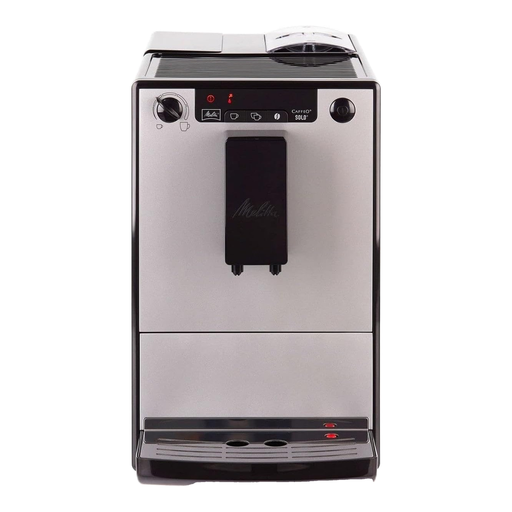
Why This Fits Their Persona: Ideal for users who primarily value high-quality black coffee and espresso and have no need for milk specialities. As a small bean-to-cup machine with a width of just 20 cm, it also fits into kitchens with limited counter space.
By deliberately omitting a milk system, the complicated and error-prone cleaning process is eliminated (Pitfall 3). The focus is on a core function that is solidly implemented.
Very compact design; Aroma-Extraction-System for a pre-brewing function that intensifies the aroma; removable brew group for easy manual cleaning.
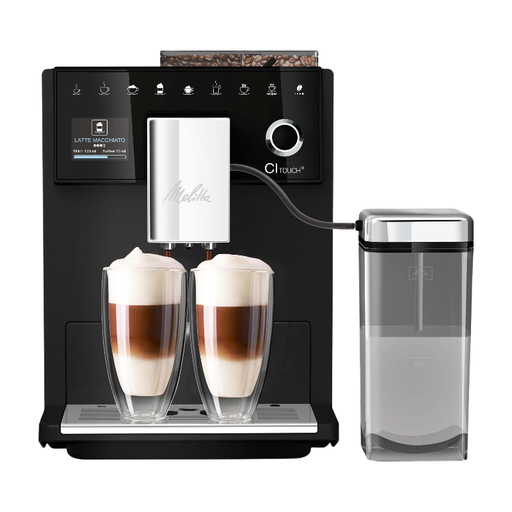
Why This Fits Their Persona: Perfect for households where different coffee preferences need to be met. With memory slots for up to four people and a two-chamber bean container, everyone can save their favourite beans and settings for cappuccino or espresso.
The external milk system with a hose is more hygienic and easier to clean than many integrated carafes (Pitfall 3). The automatic cleaning programmes are comprehensive, and the brew group is removable for manual cleaning (bypassing Pitfall 1).
"My Coffee Memory" for 4 people; two-chamber bean container for different types of beans; one-touch function for 10 coffee recipes.
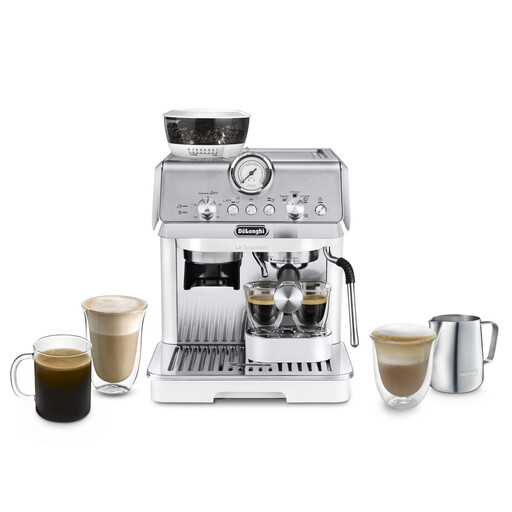
Why This Fits Their Persona: This is a portafilter machine with an integrated grinder that gives the user more control over the brewing process. It is designed for coffee lovers who celebrate the process and aim for a barista-quality result.
As a portafilter machine, there is no hidden, hard-to-clean brew group (Pitfall 1). The manual steam wand is easy to clean after each use and more hygienic than complex automatic systems (Pitfall 3).
Comprehensive barista kit included; 8 grind settings and 3 temperature levels for full control; My LatteArt system for manual, barista-quality milk frothing.
We have compiled a complete, up-to-date list of products that fully meet these strict selection criteria and UK safety regulations.
The frequency depends on the water hardness in your area and your usage. Modern machines typically indicate automatically when descaling is necessary. With average use and medium water hardness, this is about every two to three months. Using a water filter in the tank can significantly extend the intervals.
The lifespan varies greatly depending on the quality of the machine and its maintenance. With regular and careful cleaning, as well as consistent descaling, a high-quality Melitta bean-to-cup machine or De'Longhi bean-to-cup machine can certainly remain functional for 5 to 8 years or longer. The most heavily used parts are the grinder and the pump.
Generally, yes, but there are limitations. Heavily oiled or caramelised beans (often found in very dark roasts) can clog the grinder and cause malfunctions. Beans that are explicitly recommended for use in bean-to-cup machines are best, as they usually have a drier roast level.