
Lieferung heute & morgen

Qualitätsgarantie

Willkommens-Angebote freischalten: KOSTENLOSE Lieferung | Bis zu 80 % RABATT | Kostenlose 30-Tage-JoyPlus-Testphase
App herunterladen
Purchasing a new bean-to-cup coffee machine is an investment in your daily pleasure. However, the market is overwhelming and filled with marketing promises that often obscure more than they clarify. Many machines quickly prove to be impractical, high-maintenance, or fail to deliver the expected coffee quality. Before you make a decision, it's crucial to understand the typical pitfalls that lead to disappointment and unnecessary expense.
As your Joybuy Product Recommendation Officer, I'm here to help you separate the wheat from the chaff. This guide focuses on the objective criteria that truly matter and shows you how to avoid the most common purchasing mistakes.
Manufacturers often advertise features that offer little practical value or even cause problems. Pay special attention to these three points:
To make an informed decision, you should focus on the core technical components that directly influence coffee quality, user-friendliness, and durability.
An espresso machine with a built-in grinder is the foundation for aromatic coffee. The quality of the grinder is crucial.
For lovers of milk-based coffee specialities, the milk system is a central criterion. A good coffee machine with a milk frother should combine convenience and hygiene.
Simple and thorough cleaning ensures the machine's longevity and consistently high coffee quality.
Here are some recommendations tailored to different needs that specifically avoid the pitfalls mentioned.
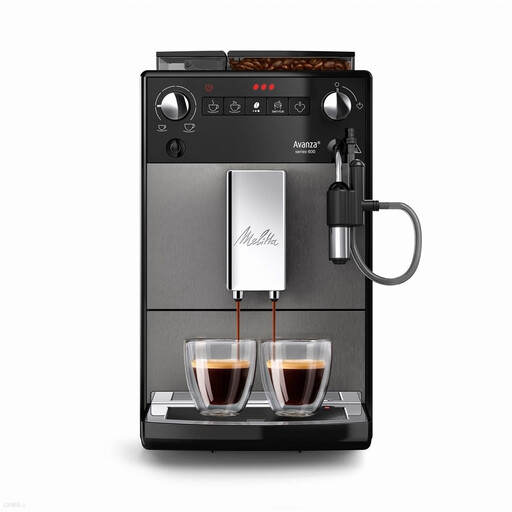
Why this model is a great fit: Perfect for users who want to enjoy espresso and milk-based drinks without any fuss. At just 20 cm wide, the machine is very compact and fits even in smaller kitchens. The operation is streamlined to the essentials.
The machine features a removable brew group and an easy-to-clean milk lance, bypassing the "pseudo-self-cleaning" trap. It focuses on core beverages, avoiding superfluous, price-inflating functions.
Quiet Grinder: The conical burr grinder, marketed as a "whisper-quiet grinder," is pleasantly quiet during operation. Compact Design: At 20 cm wide, it's one of the narrowest machines on the market.
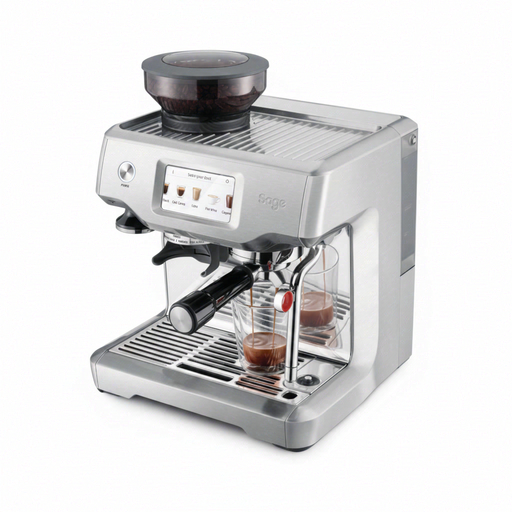
Why this model is a great fit: This portafilter machine combines the control of a barista with the convenience of an automatic. It's ideal for those who want to take charge of the brewing process but still want automatic milk frothing and an intuitive touch interface.
Instead of relying on opaque automatic programmes, the Sage focuses on transparent control. The user determines the grind size, coffee amount, and milk texture. Cleaning is manual but therefore thorough and straightforward—no false promises.
Fast Heat-Up Time: According to the manufacturer, the ThermoJet heating system reaches the optimal brewing temperature in 3 seconds. Automatic Microfoam Milk Texturing: The steam wand automatically froths milk to the set temperature and texture.
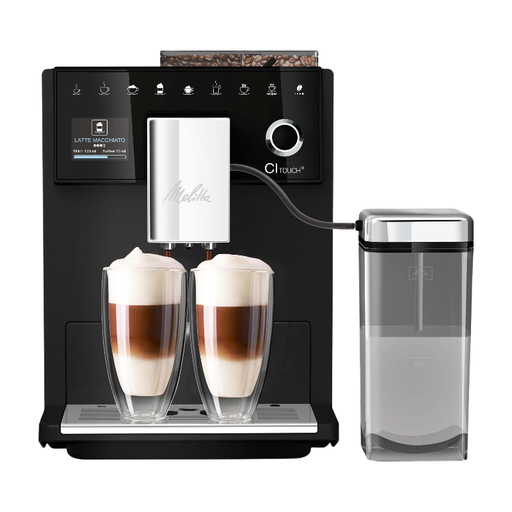
Why this model is a great fit: Perfect for households or small offices with diverse coffee preferences. With memory slots for up to four people, a dual-chamber bean container, and 10 preset recipes, this machine effortlessly caters to different tastes.
The wide variety of functions is made practical here through customisable user profiles, rather than being a mere marketing feature. The automatic cleaning programmes are comprehensive, and the brew group is removable for thorough manual cleaning.
Dual-Chamber Bean Container: Allows for an easy switch between two different types of beans, e.g., for espresso and café crème. My Coffee Memory: Saves individual settings for up to four people.
We have compiled a complete, up-to-date list of products that fully meet these strict selection criteria and all relevant safety standards.
1. How often does a bean-to-cup machine need to be descaled? The frequency depends on the water hardness in your area and your usage intensity. Modern machines measure the water flow and will automatically prompt you to descale via a display notification when necessary. As a rule of thumb, with average use and medium water hardness, this is about every two to three months.
2. What is the difference between a bean-to-cup machine and a portafilter machine? A bean-to-cup machine handles all the steps—grinding, brewing, frothing—at the touch of a button. It offers maximum convenience and is ideal for quick, uncomplicated daily coffee enjoyment. A portafilter machine requires more manual work: you grind the beans separately, fill and tamp the coffee grounds in the portafilter, and start the extraction manually. In return, it offers the ambitious home user full control over every parameter and the potential for barista-quality coffee.
3. Can I also use pre-ground coffee in a bean-to-cup machine? Some models, like the Melitta Latticia OT, feature a separate chute for pre-ground coffee powder. This is useful if, for example, you occasionally want to prepare a decaffeinated coffee without having to change the beans in the main container. Check the spec sheet for this feature if it's relevant to you.