The aroma of freshly ground beans is a promise of the ultimate coffee experience. A coffee machine with a built-in grinder brings this experience right into your kitchen. However, the market is overwhelming and filled with technical jargon that often confuses more than it helps. Before you make a decision, it's crucial to recognise common marketing traps and understand which features truly matter.
As your Joybuy Product Recommendation Officer, I'm here to help you separate fact from marketing fiction. This guide focuses on the objective criteria that distinguish a great machine from a subpar one.
The 3 Most Common Traps When Buying a Coffee Machine with a Grinder
Many machines advertise impressive numbers and features that have little practical relevance or can even cause problems. Here are three typical pitfalls:
- The "Bar Pressure" Trap: Manufacturers often promote a pump pressure of 15, 19, or even 20 bars. However, for a high-quality espresso, a pressure of around 9 bars directly at the brew group is what's crucial. Higher pump pressure is no guarantee of better coffee and, if improperly calibrated, can even lead to over-extraction and a bitter taste.
- The "Fully Automatic" Cleaning Myth: Many models offer automatic rinsing and cleaning programmes. While convenient, this is not enough. The brew group and milk system, in particular, are prone to a build-up of coffee grounds and milk fats. If the brew group is not cleaned manually on a regular basis, mould can develop, compromising both taste and hygiene.
- The Underestimated Grinder: The grinder is the heart of any machine that uses whole beans. Budget-friendly models often use simple blade grinders, which tend to shatter the beans rather than grind them. This generates heat that destroys precious aromas. A high-quality conical or flat burr grinder made of ceramic or hardened stainless steel grinds the beans gently and evenly—a prerequisite for good coffee.
What Really Matters: The Decisive Parameters
To avoid a bad purchase, you should focus on the technical features that directly impact coffee quality, longevity, and maintenance.
Grinder Type and Adjustment Options
The grinder determines how much aroma is extracted from the coffee bean. Pay attention to the following aspects:
- Grinder Type: A conical or flat burr grinder is the standard choice for high-quality machines. Ceramic grinders are considered particularly durable and heat-resistant, while stainless steel grinders are also very robust and deliver precise results.
- Grind Size Adjustment: The ability to finely adjust the grind size is essential. A fine grind is needed for espresso, while a coarser setting is suitable for drip coffee or a café crème. The more settings a
bean-to-cup coffee machine offers, the more precisely you can tailor the taste to your bean type and preference.
Brewing Technology and Milk System
Depending on your preferred type of coffee, the brew group and milk system play a central role.
- Fully Automatic Coffee Machine: These machines offer maximum convenience. At the touch of a button, they grind, brew, and often froth milk. A removable brew group is a significant advantage here, as it can be easily cleaned under running water.
- Espresso Machine with Grinder: For aspiring home baristas who want to control the process themselves. Here, the ground coffee is manually filled into the portafilter and compacted (tamped). A manual steam wand allows for the creation of barista-quality milk foam for a perfect
cappuccino machine.
- Drip Coffee Machine with Grinder: Combines the convenience of automatic grinding with the classic brewing method for drip coffee. Features like a coffee machine with a timer allow you to wake up to the aroma of freshly brewed coffee in the morning.
Top Picks By Need
Instead of presenting a confusing list, we have selected models that meet specific user profiles and avoid the pitfalls mentioned earlier.
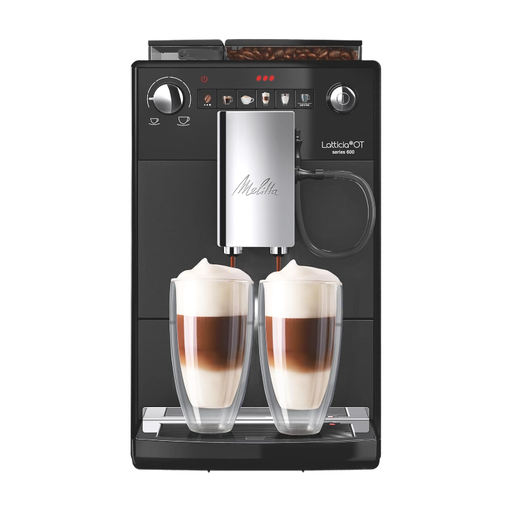
MATCH FOR: The Convenience-Focused Beginner
Why This Fits Their Persona: Ideal for users who want to enjoy a variety of coffee specialities without the fuss. The one-touch operation for cappuccino and latte macchiato, along with its compact design, makes it perfect for a quick, daily coffee fix.
How It Avoids the Trap
The LATTEperfection milk system is designed for easy cleaning, and the brew group is removable, countering the myth of purely automatic cleaning. The quiet steel conical burr grinder preserves the aromas.
Key Advantage & Pros
Simple one-touch operation for milk-based drinks; quiet grinder; compact footprint.
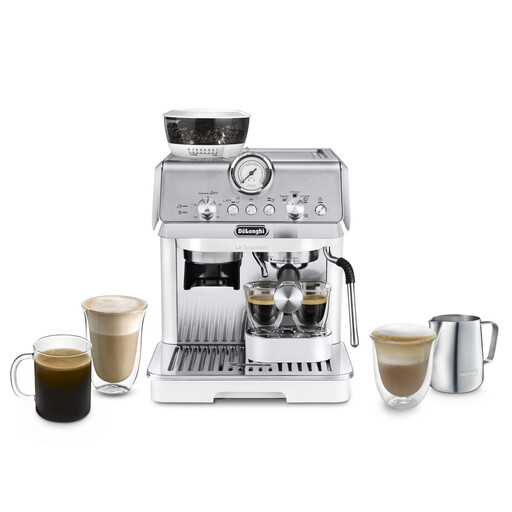
MATCH FOR: The Aspiring Home Barista
Why This Fits Their Persona: This portafilter machine offers full control over the brewing process. With 8 grind settings, 3 temperature levels, and a complete barista kit, it's made for coffee lovers who want to experiment and learn the craft.
How It Avoids the Trap
Instead of relying on misleading automatic promises, this model focuses on high-quality manual components. The user controls the pressure (via tamping) and the cleaning, thus bypassing the typical traps.
Key Advantage & Pros
Comprehensive barista kit included; precise adjustments for grind and temperature; My LatteArt system for manual milk frothing.
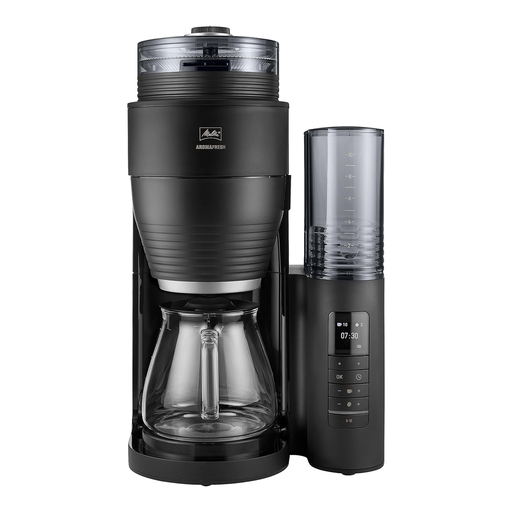
MATCH FOR: The Drip Coffee Enthusiast
Why This Fits Their Persona: Perfect for households that brew larger quantities of classic drip coffee but don't want to sacrifice the freshness of newly ground beans. The timer function and adjustable coffee strength offer added convenience.
How It Avoids the Trap
This model focuses on the parameters relevant to drip coffee. The high-quality ceramic grinder ensures a consistent grind without generating heat. The pressure issue common to espresso machines is irrelevant here.
Key Advantage & Pros
Integrated ceramic grinder with 11 settings; timer function for programmable brew start; removable water tank for easy filling.
Looking for more options?
We've compiled a complete, up-to-date list of products that fully meet these strict selection criteria and all relevant safety standards.
Frequently Asked Questions (FAQ)
How often should a coffee machine with a grinder be cleaned?
The cleaning frequency depends on usage and water hardness. As a general guideline:
- Daily: Empty and rinse the dregs container and drip tray. Clean the milk system after each use.
- Weekly: Rinse the removable brew group under lukewarm water and let it air dry.
- Monthly (or as indicated): Descale the machine using a suitable agent. The grinder should also be regularly cleaned of coffee oils, often with the help of special cleaning tablets.
What is the right grind size for espresso vs. drip coffee?
The choice of grind size is crucial for the taste:
- Espresso: Requires a very fine grind. The water is forced through the coffee grounds at high pressure in a short amount of time. If the grind is too coarse, the water will run through too quickly, and the espresso will be watery.
- Drip Coffee / Café Crème: A medium to coarse grind is ideal here. The water has longer contact with the coffee. A grind that is too fine would lead to over-extraction and make the coffee taste bitter.
Is a ceramic grinder worth it compared to a stainless steel one?
Both materials have their place in high-quality machines.
- Ceramic grinders are extremely hard, durable, and generate very little heat during grinding, which preserves the coffee's aromas. However, they are more brittle and can break if a foreign object (e.g., a small stone in the beans) is present.
- Stainless steel grinders are more robust against foreign objects. High-quality steel grinders are designed to also minimise heat generation. The choice is often a matter of personal preference and budget, as both deliver excellent results when of good quality.