
Lieferung heute & morgen

Qualitätsgarantie

Willkommens-Angebote freischalten: KOSTENLOSE Lieferung | Bis zu 80 % RABATT | Kostenlose 30-Tage-JoyPlus-Testphase
App herunterladen
The aroma of freshly ground coffee beans is, for many, the epitome of a perfect morning ritual. A bean-to-cup coffee machine promises exactly that: flavour and freshness at the touch of a button, right in your own kitchen. But the market is crowded and full of marketing promises that often turn out to be costly disappointments in practice.
As your Joybuy Product Recommendation Officer, I'll help you recognise the common pitfalls and make an informed decision. We'll focus on the facts that truly matter, so you can find a machine that reliably fits your needs.
Before we look at specific models, let's highlight the three most common problems that only become apparent after the purchase.
To avoid these pitfalls, you should carefully check three technical features before buying. These are the primary determinants of taste, durability, and maintenance effort.
The grinder determines the quality of the coffee grounds and, consequently, the flavour. The most important distinctions are:
The choice of brew group is a fundamental decision with direct implications for hygiene.
For lovers of milk-based coffee specialities, the milk system is a key criterion.
Here are some recommendations tailored to different user profiles, taking the above criteria into account.
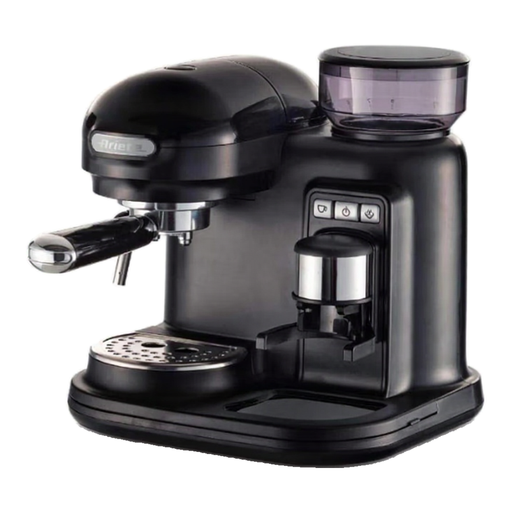
Why it's a good fit: This machine offers an entry into the world of portafilters with the convenience of an integrated grinder. It's ideal for anyone who wants to learn the basics of espresso preparation and have control over the process without spending a fortune right away.
As a manual machine, there are no complex, automatic cleaning cycles that can be misunderstood. The steam wand and portafilter are quick and easy to clean after each use, making hygiene transparent.
Combines manual control over the brewing process with an integrated grinder in a compact, stylish unit. The 15-bar pump pressure provides a solid foundation for espresso extraction.
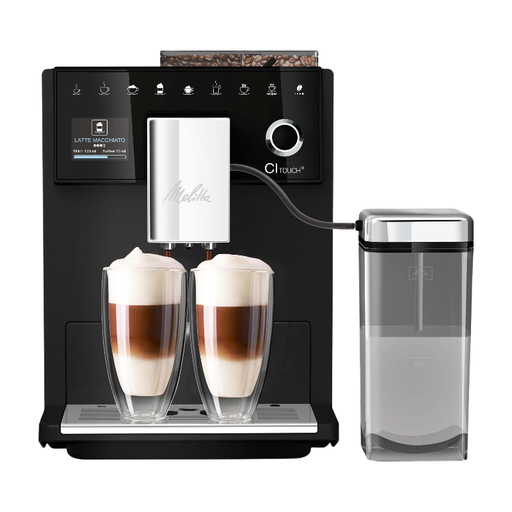
Why it's a good fit: This bean-to-cup machine is designed for households where convenience and variety are top priorities. With 10 preset recipes and a memory function for up to four people, it delivers consistent results for the whole family at the touch of a button.
Melitta uses a removable brew group, which facilitates thorough manual cleaning. The automatic milk system features guided cleaning programs that minimise effort and ensure hygiene.
The "Bean Select" dual-chamber bean system allows for an easy switch between two different types of beans—for example, espresso beans for the afternoon and milder beans for the morning coffee.

Why it's a good fit: This portafilter machine with an integrated grinder bridges the gap between professional standards and user-friendly operation. It's perfect for coffee enthusiasts who want to create latte art and experiment with extraction parameters but still appreciate the convenience of guided operation.
The integrated conical burr grinder is known for its consistent grinding performance. The automatic steam wand has a self-cleaning function that purges after each use, simplifying milk hygiene.
According to the manufacturer, the ThermoJet heating system reaches the optimal extraction temperature in just 3 seconds. The touchscreen visually guides you through the entire process, from grinding and brewing to milk frothing.
We have compiled a complete, up-to-date list of products that fully meet these strict selection criteria and German safety regulations.
The frequency largely depends on the water hardness in your area and your usage. As a rule of thumb: with average use and medium water hardness, about every two to three months. Modern machines automatically indicate when descaling is needed. Always follow the manufacturer's instructions to ensure the longevity of the device.
For a true espresso, you need a very fine grind. The water is forced through the coffee grounds at high pressure in a short amount of time, which intensely extracts the flavours. For a Café Crème or a drip coffee maker with a grinder, a medium to coarser grind is more suitable, as the water has longer contact with the coffee. A good machine, therefore, offers a wide range of grind settings.
This is a matter of personal preference. A removable brew group offers the advantage of easy, visual inspection and the ability to clean it thoroughly under running water. Models with a fixed brew group rely on automated cleaning programs with special tablets. These systems are also very hygienic when used correctly but are outside the user's direct control.