
Lieferung heute & morgen

Qualitätsgarantie

Willkommens-Angebote freischalten: KOSTENLOSE Lieferung | Bis zu 80 % RABATT | Kostenlose 30-Tage-JoyPlus-Testphase
App herunterladen
The desire for café-quality coffee in the comfort of your own home leads many to purchase a fully automatic coffee machine. However, the market is overwhelming and filled with marketing promises that don't always deliver. As a Joybuy Product Recommendation Officer, I see daily which features truly matter and which ones often lead to disappointment. Before you make an investment, you should be aware of the typical pitfalls that often only become apparent after the purchase.
The decision for a particular machine is often based on advertising messages that neglect critical aspects of everyday use. Pay close attention to these three points to avoid a bad buy.
To make the right choice, don't be dazzled by a long list of coffee specialities. Instead, focus on the core technical features of the machine.
The quality of the coffee begins with freshly ground beans. The grinder is therefore the most important component of a bean-to-cup coffee machine.
For lovers of cappuccino or latte macchiato, the type of milk system is a decisive factor in the purchase. There are fundamental differences in convenience and cleaning effort.
A bean-to-cup coffee machine is an investment that needs to be maintained. Look for a removable brew group for weekly cleaning. Automatic rinsing and descaling programs are standard but do not replace manual care and the use of specific coffee machine cleaning tablets to remove coffee oils and deposits.
Instead of naming a single "best" machine, it makes more sense to find models that suit specific needs.
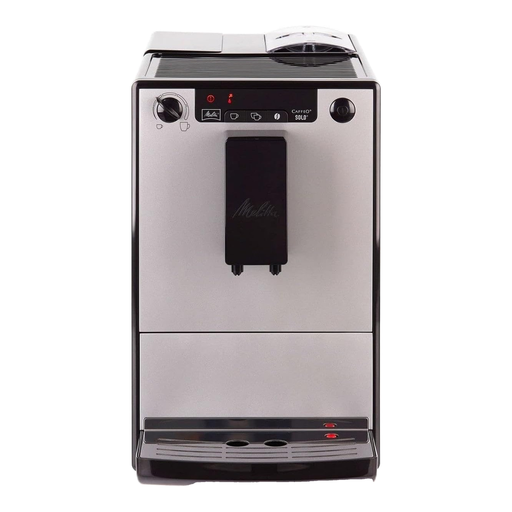
Why it's a great fit: Ideal for households that primarily drink espresso and café crème. The machine focuses on the essentials—excellent coffee from freshly ground beans—and its very slim design fits even in smaller kitchens.
This model bypasses the complexity and cleaning effort of an integrated milk system. The brew group is removable for easy cleaning, which prevents the hygiene problems associated with fixed units.
Compact dimensions (only 20 cm wide) and a focus on the Aroma-Extraction-System for pure coffee enjoyment. The operation is intentionally kept simple.
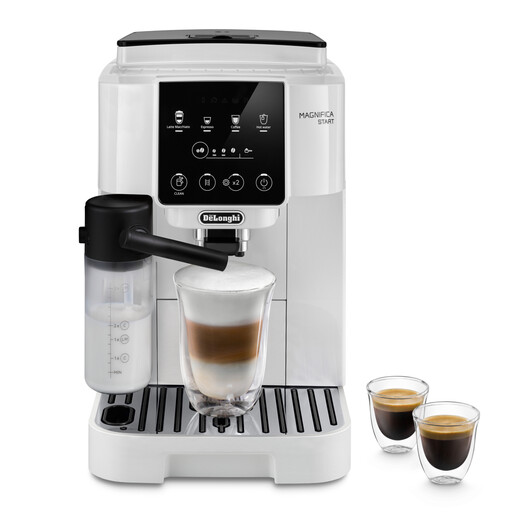
Why it's a great fit: Perfect for anyone who wants to enjoy a variety of beverages, especially with milk, at the touch of a button. The simple operation via one-touch buttons makes it ideal for families or offices where speed is essential.
The LatteCrema system from De'Longhi is designed for consistent, fine-pored milk foam and features an automatic cleaning function that runs immediately after each use. This addresses the pitfall of unreliable and hard-to-clean milk systems.
The combination of one-touch recipes and an automatic cleaning system for the milk carafe offers a high level of convenience. The brew group is removable for easy maintenance.

Why it's a great fit: This Sage coffee machine is a hybrid model that combines the convenience of a fully automatic machine with the control of a portafilter machine. It's ideal for users who want to take charge of the brewing process and perfect their latte art but appreciate the support of automated processes.
The automatic milk frothing system creates the finest microfoam with adjustable temperature and texture, thus avoiding the problem of inconsistent results. The manual involvement (portafilter) gives the user full control and transparency over the brewing process.
The ThermoJet heating system reaches the optimal extraction temperature in just 3 seconds. The intuitive touchscreen operation guides the user through all steps, from grinding to frothing.
We've compiled a complete, up-to-date list of products that fully meet these strict selection criteria and local safety regulations.
1. How often should a bean-to-cup machine be cleaned? Daily maintenance is crucial. The milk container (if present) and the coffee grounds container should be emptied and rinsed daily. The brew group, if removable, should be cleaned once a week under lukewarm water. A complete internal cleaning with cleaning tablets and a descaling should be performed every 1-3 months, depending on water hardness and frequency of use, or when prompted by the machine.
2. Which grinder is better for a bean-to-cup machine, ceramic or stainless steel? Both materials have their merits. Ceramic grinders are often quieter, more heat-resistant, and less prone to wear, making them a great choice for discerning users. Stainless steel grinders are very robust and precise but can generate slightly more heat. For normal home use, both types deliver excellent results if they are of good quality.
3. Can I use pre-ground coffee in a bean-to-cup machine? Yes, most bean-to-cup machines have a separate powder chute for pre-ground coffee. This feature is convenient if, for example, you want to prepare decaffeinated coffee without changing the beans in the main container. However, it should be noted that the freshness and aroma may be compromised when using pre-ground powder compared to freshly ground beans.