
Lieferung heute & morgen

Qualitätsgarantie

Willkommens-Angebote freischalten: KOSTENLOSE Lieferung | Bis zu 80 % RABATT | Kostenlose 30-Tage-JoyPlus-Testphase
App herunterladen
A bean-to-cup coffee machine promises barista-quality coffee at the touch of a button: freshly ground beans, perfect espresso, and creamy cappuccino without ever leaving home. But the market is crowded and full of marketing promises that often obscure more than they clarify. As your Joybuy Product Recommendation Officer, I'll help you identify the crucial features and avoid common pitfalls, ensuring your investment pays off in the long run.
Before we dive into the important features, let's debunk two common marketing myths that often lead to poor purchasing decisions.
To find the right bean-to-cup machine for your home, you should closely examine three core components. These are the primary determinants of taste, convenience, and longevity.
An integrated grinder is what sets a bean-to-cup coffee machine apart from a conventional filter or capsule machine. The quality of the grinder is crucial for the aroma.
If you plan to regularly enjoy cappuccino at the touch of a button, the type of milk system is a key criterion.
bean-to-cup machine with a milk container: An attachable or built-in container makes preparation exceptionally easy. Many of these systems also offer an automatic cleaning function for the milk-carrying parts, which significantly simplifies daily hygiene.The brew group is where the ground coffee comes into contact with hot water. A clean brew group is essential for unadulterated coffee flavour and preventing mould growth.
Melitta bean-to-cup machines or De'Longhi bean-to-cup machines often feature a brew group that can be removed from the side or front. This can be easily rinsed under running water, allowing for thorough and straightforward cleaning.Instead of presenting a confusing list, we have selected models that fit specific user profiles and cleverly avoid the pitfalls mentioned.
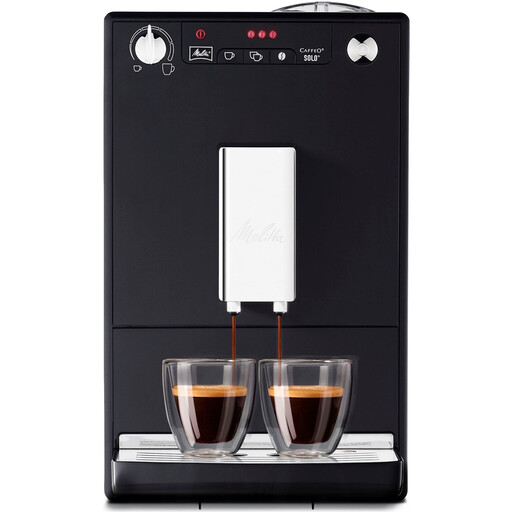
Why This Fits Their Persona: Ideal for users who prioritise excellent espresso and café crème and can do without complex milk functions. At just 20 cm wide, this machine also fits into kitchens with limited space.
The machine sidesteps the complexity trap by clearly focusing on the essentials. The removable brew group makes manual cleaning transparent and simple, rather than relying solely on internal programs.
The Aroma-Extraction-System (pre-brewing function) ensures intense flavour development. Its extremely compact design is a unique selling point in this performance class.

Why This Fits Their Persona: Perfect for households where diverse coffee preferences need to be met. With 7 one-touch buttons for espresso, cappuccino, and more, operation is intuitive, and the easy cleaning is a major advantage in a hectic daily routine.
This model tackles the cleaning trap with a well-thought-out concept: The LatteCrema system has an automatic cleaning function, and the MyLatte feature uses the exact amount of milk needed, so no leftovers have to be stored in the container.
The LatteCrema system consistently delivers creamy milk foam. The operation via coloured icons is self-explanatory and makes the variety of drinks easily accessible.
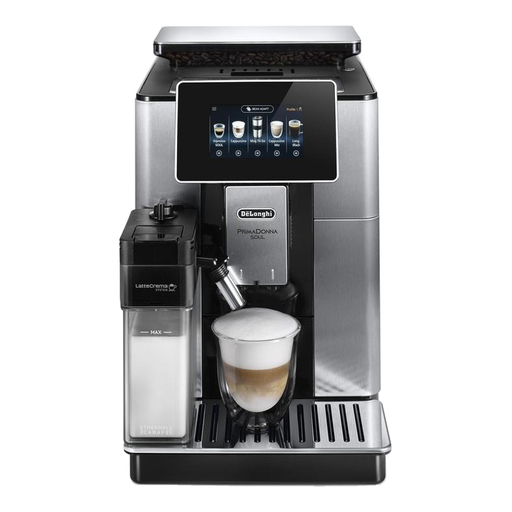
Why This Fits Their Persona: For coffee lovers who want to get the most out of every bean and desire full control over the brewing process. The app control and automatic adjustment to the bean type offer a high degree of customisation.
This machine goes beyond empty marketing promises. The Bean Adapt Technology is not just a gimmick; it adjusts the grind level and brewing temperature based on the bean information entered via the app. This is a genuine, technology-driven added value.
The Bean Adapt Technology for optimal extraction and the large 4.3-inch touch display for intuitive operation of the 21 pre-installed recipes are clear advantages for demanding users.
We have compiled a complete, up-to-date list of products that fully meet these strict selection criteria and all relevant safety standards.
The frequency of descaling depends on two factors: the water hardness in your area and how often you use the machine. Most modern coffee machines have a function to set the water hardness and will automatically prompt you to descale. As a rule of thumb: with average use and medium water hardness, descaling is required approximately every two to three months. Using a water filter in the water tank can significantly extend these intervals.
Whether a removable brew group is necessary is a matter of personal preference.
The grind size has a significant impact. It determines how quickly water flows through the coffee grounds and how many flavour compounds are extracted.