
Lieferung heute & morgen

Qualitätsgarantie

Willkommens-Angebote freischalten: KOSTENLOSE Lieferung | Bis zu 80 % RABATT | Kostenlose 30-Tage-JoyPlus-Testphase
App herunterladen
Purchasing a new bean-to-cup coffee machine is an investment in your daily coffee enjoyment. However, the market is saturated, and many machines promise more than they can deliver. Certain design flaws or exaggerated marketing claims often lead to an expensive appliance causing more frustration than joy after a short time. This guide will help you identify the crucial features and avoid common pitfalls, enabling you to make an informed decision.
Before diving into features and brands, it's wise to understand the most common problems that only become apparent with daily use.
The Hygiene Trap: Complicated Cleaning Processes A bean-to-cup coffee machine with a milk container for cappuccino and latte macchiato is tempting. But if the milk system or the brewing unit is permanently installed and difficult to access, daily cleaning quickly becomes a chore. Milk residue can lead to bacterial growth and spoil the taste. A machine that is difficult to clean is often neglected, which shortens its lifespan.
The Noise Problem: An Underestimated Issue The aroma of freshly ground coffee in the morning is a delight—a grinder that reaches the noise level of a construction site is not. Especially in open-plan kitchens or offices, a loud grinder can be extremely disruptive. The noise level is rarely specified objectively in product descriptions, but it is a critical factor for the user experience.
Hidden Running Costs: Expensive Consumables The purchase price is only part of the total cost. Some manufacturers lock users into expensive, proprietary cleaning tablets or water filters. If these consumables need to be replaced frequently and are only available at high prices, operating the machine can become unexpectedly costly over the years.
To avoid the problems mentioned above, you should focus on a few critical technical parameters when making your choice. These largely determine the quality, durability, and ease of use of your machine.
The grinder determines the aroma of your coffee. There are two common types:
More important than the material is the number of adjustable grind settings. There should be at least 5 levels to adjust the grind from fine for an espresso machine to coarser for a café crème.
The brewing unit is where hot water is forced through the ground coffee. A brewing unit that can be removed from the side or front is a significant advantage. It can be easily rinsed under running water, allowing coffee residues and oils to be removed regularly and thoroughly. This prevents mould growth and ensures a consistently good taste. With permanently installed brewing units, you are completely dependent on automatic cleaning programs, which do not always reach all residues.
For lovers of milk-based specialities, the milk system is crucial.
Based on the criteria above, we have identified a few models that are suitable for different user profiles.
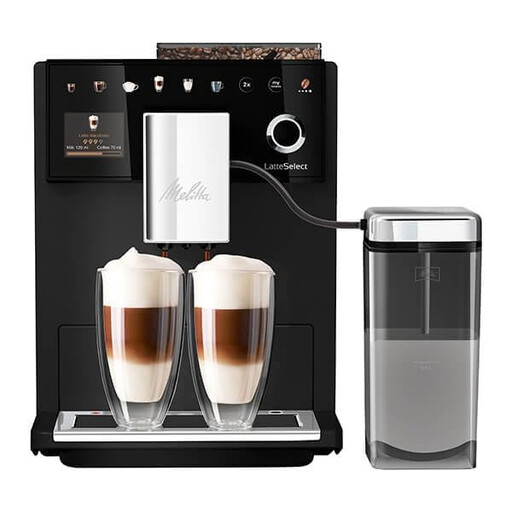
Why This Fits Their Persona: Ideal for users who appreciate a wide variety of beverages and extensive customisation options. With 12 coffee specialities and memory profiles for up to six people, everyone in the household can prepare and save their favourite drinks to their personal taste.
The grinder, described by the manufacturer as "whisper-quiet," sidesteps the noise trap. The removable brewing unit and automatic cleaning programs directly address the hygiene issue.
High degree of personalisation with "My Coffee Memory" for 6 users; manual bean selection for different types of coffee beans.
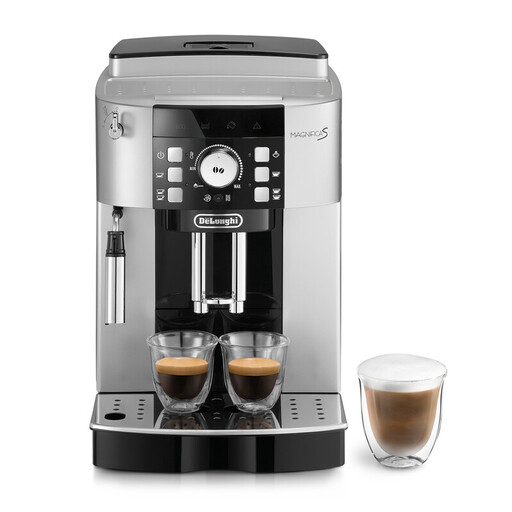
Why This Fits Their Persona: A tried-and-true model for those who value reliability, simple operation, and straightforward maintenance. Perfect for daily, intensive use in families or small offices where durability is key.
The fully removable brewing unit is a key advantage, making manual cleaning very easy and effectively bypassing the hygiene trap. The machine is known for its robust construction.
Direct selection buttons and a rotary dial for intuitive operation without complex menus; 13-step conical burr grinder and a compartment for ground coffee.
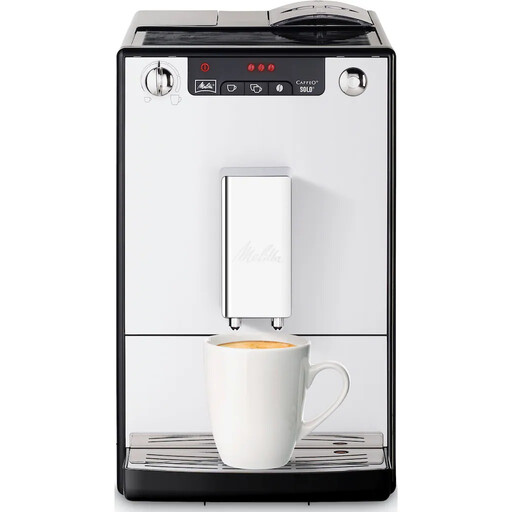
Why This Fits Their Persona: For coffee lovers who focus on excellent espresso and café crème and have limited kitchen space. This model intentionally omits a milk system to focus on the essentials.
By forgoing a milk system, it eliminates the most demanding cleaning task from the outset. Its compact design and focus on core functions reduce complexity and potential points of failure.
Extremely slim design at just 20 cm wide; Aroma-Extraction System for a pre-brewing effect and intense flavour; removable brewing unit.
We've compiled a complete, up-to-date list of products that fully meet these strict selection criteria and all relevant safety standards.
The frequency largely depends on the water hardness in your area and the intensity of use. Modern machines typically indicate automatically when descaling or cleaning is required. As a rule of thumb:
Both materials have their merits. A ceramic grinder is often quieter and does not heat up, which preserves the coffee's aroma. However, it is more brittle and can be damaged by foreign objects in the bean container. A stainless steel grinder is extremely robust and durable but can be slightly louder and generate heat during frequent, consecutive use. The choice is ultimately a trade-off between noise level and maximum durability.
Many models, like the De'Longhi bean-to-cup coffee machine Magnifica S, feature a separate chute for pre-ground coffee. This function is convenient if you want to prepare decaffeinated coffee, for example, or try a different blend without emptying the bean container. However, for the best aroma experience, using freshly ground beans from the integrated grinder is always preferable.