
Lieferung heute & morgen

Qualitätsgarantie

Willkommens-Angebote freischalten: KOSTENLOSE Lieferung | Bis zu 80 % RABATT | Kostenlose 30-Tage-JoyPlus-Testphase
App herunterladen
A bean-to-cup coffee machine with milk frother should make espresso, cappuccino or latte macchiato without complicated steps. In practice, however, machines vary considerably when it comes to the grinder, milk system, cleaning and space requirements. If you only look at a high bar rating or a long drinks list, you may overlook important ongoing costs and practical details.
Many models advertise 15, 19 or 20 bar. This figure describes the pump’s maximum pressure; it does not automatically indicate the quality of the drink in your cup. Other factors are more important, including the dosage, grind size, temperature control and the ability to adjust settings to suit the beans you use.
A bean-to-cup coffee machine with an integrated milk system needs to be rinsed carefully after making milk-based drinks. Milk residue can build up in tubes, nozzles or the milk carafe. Automatic rinsing and cleaning programmes are useful, as are removable, dishwasher-safe components. Even so, you’ll need to clean the milk container and tubes regularly, in line with the instruction manual.
A long list of recipes is only useful if you can access your favourite drinks easily. For everyday use, look for clear icons, saved profiles and simple controls for adjusting coffee strength, water volume and milk quantity. Also check that the spout is high enough for your cups or takeaway mugs.
A bean-to-cup coffee machine with grinder grinds the beans immediately before brewing. Look for:
A capacity of 200 to 250 g of beans is often enough for a small household. In an office or a home with several daily users, 300 g or more may be useful. However, a larger hopper does not automatically mean the beans will stay fresh for longer. An airtight lid and a capacity that suits the size of your household are also important.
An automatic milk system is ideal if you want to make cappuccino and latte macchiato at the touch of a button. A separate milk container should be removable and easy to take apart completely. A manual steam wand takes more practice, but lets you control the amount of milk foam directly.
If you’re looking for a bean-to-cup coffee machine for espresso and cappuccino, also consider the available milk temperatures, cleaning after each use and how the milk is stored. Milk should not be left in the container any longer than necessary.
Water tanks with capacities of around 1.2 to 2.2 litres are common in these types of machines. A large tank means fewer refills, but takes up more space and may hold the same water for a long time if you don’t use the machine often. Measure the width, height and depth before buying. Also allow room to remove the water tank and open the bean hopper.
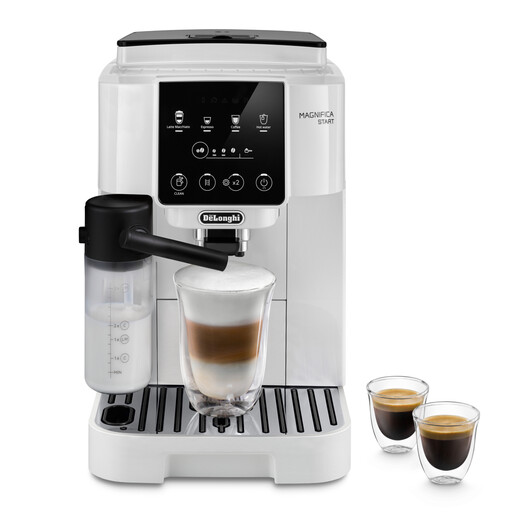
Why it suits this type of user: This model offers four drinks at the touch of a button, a 1.8-litre water tank and a 250 g bean hopper. You can adjust the aroma and temperature.
The drinks menu is easy to navigate. According to the product information, the milk system cleans itself automatically after use, and the removable parts can be cleaned.
13 grind settings, the option to make two cups at once, and removable, dishwasher-safe components.
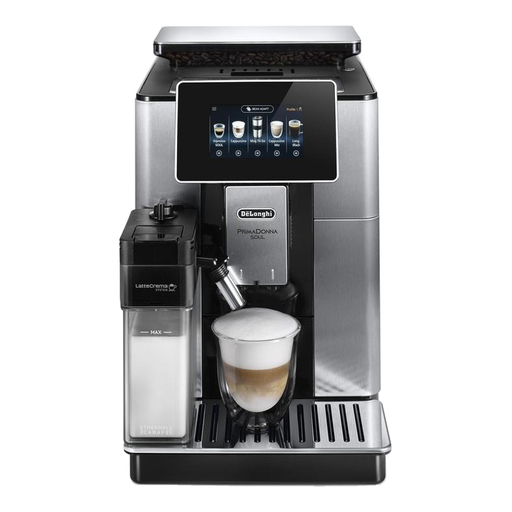
Why it suits this type of user: This machine is designed for households looking for a wide choice of drinks, user profiles and plenty of scope to customise their coffee.
Alongside automatic cleaning and descaling programmes, the brew unit is removable, making regular manual cleaning easier.
21 preset drinks, a 500 g bean hopper, a 2.2-litre water tank and five user profiles.
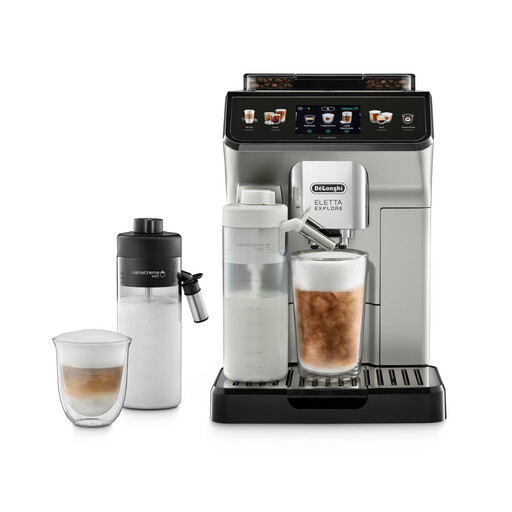
Why it suits this type of user: A good choice for households or small offices where people enjoy a range of hot and cold coffee and milk-based drinks.
The drink options go beyond classic cappuccino. Automatic rinsing, cleaning and descaling programmes help with regular care.
40 recipes, LatteCrema Hot & Cool, a 300 g bean hopper and a takeaway cup spout that accommodates cups up to 16 cm tall.

Why it suits this type of user: This portafilter machine combines an integrated grinder with a touchscreen and automatic milk texturing, while still letting you take a hands-on approach to tamping and extraction.
Grind size, coffee strength, milk temperature and foam texture are easy to adjust, rather than being left entirely to automatic settings.
A 250 g bean hopper, a 2-litre water tank, five recipes and up to eight personalised settings you can save.
We’ve put together a complete, regularly updated list of products that meet these strict selection criteria and fully comply with the safety regulations in force in the EU.
With a bean-to-cup coffee machine with automatic cleaning, it’s important to distinguish between rinsing, cleaning the milk system and descaling. The automatic programme may not empty the drip tray or wipe the spouts for you. Also check whether the machine uses water filters and which consumables you’ll need to replace regularly.
The main running costs are beans, milk, water filters, descaler and electricity. A machine with lots of features can save time if you regularly make milk-based drinks, but may need more looking after. For an office, a model with a larger tank and easy-to-access containers is a good choice; for occasional use, a more compact machine is often enough.
Rinse the parts that carry milk after every use, following the instruction manual. Clean the drip tray, coffee grounds container and spouts regularly. How often you need to descale the machine depends on the water hardness and how often you use it.
There’s no reliable way to guarantee a specific lifespan. It depends on how much you use the machine, water quality, descaling and general care. Removable brew units and accessible milk systems make maintenance easier.
It depends on how much coffee you drink. If you regularly enjoy espresso or milk-based drinks, you could benefit from the integrated grinder and quick preparation. If you only make a few cups a week, weigh up the cleaning involved against the simplicity of an espresso machine or capsule machine.