
Lieferung heute & morgen

Qualitätsgarantie

Willkommens-Angebote freischalten: KOSTENLOSE Lieferung | Bis zu 80 % RABATT | Kostenlose 30-Tage-JoyPlus-Testphase
App herunterladen
A bean-to-cup coffee machine with a grinder combines the grinding of whole beans with automatic brewing. This saves individual preparation steps and lets you make coffee at the touch of a button. However, not every machine is suitable for every household. Anyone who only drinks filter coffee will need different functions from a household that enjoys cappuccinos or lattes every day.
The following advice will help you assess technical specifications correctly and avoid common purchasing mistakes.
A large number of recipes may sound appealing at first. What matters, however, is which drinks you actually need and how easily the settings can be adjusted. A bean-to-cup coffee machine with a one-touch function can simplify operation, while additional menus and profiles are useful when several people use the machine.
So check the following:
A large water tank and a spacious bean hopper reduce the need for refilling. At the same time, these machines often require more worktop space. Measure the available area, including the clearance needed from cupboards and walls. You should also be able to access the water tank, brewing unit and bean compartment easily in everyday use.
A bean-to-cup coffee machine with a milk system, or a coffee machine with a milk frother, requires additional care. Milk tubes, nozzles and containers should be rinsed after use in accordance with the operating instructions. An automatic cleaning programme makes the process easier, but it does not replace regular manual checks and thorough cleaning.
A conical or flat-burr grinder processes coffee beans immediately before brewing. The following specifications are particularly relevant when choosing a machine:
The term ‘quiet’ should not be assessed in isolation. Meaningful product specifications include details such as the grinder type, number of grind settings and capacity.
For a small household, a tank holding around 1.2 to 1.5 litres may be sufficient. Households or small offices preparing several drinks a day are likely to benefit more from 1.8 litres or more. A bean hopper holding around 250 grams reduces the need for refilling, but naturally takes up more space.
You should also consider the water hardness in your area. Many machines offer adjustable water-hardness settings, filter options or automatic descaling programmes. These functions affect the maintenance required, but do not automatically determine the quality of every cup.
If you are looking for a bean-to-cup coffee machine for cappuccino or a bean-to-cup coffee machine for latte macchiato, pay close attention to the specific design:
Controls such as a touchscreen, direct-selection buttons or user profiles are convenience features. They should suit the number of users and the drinks you want to prepare.
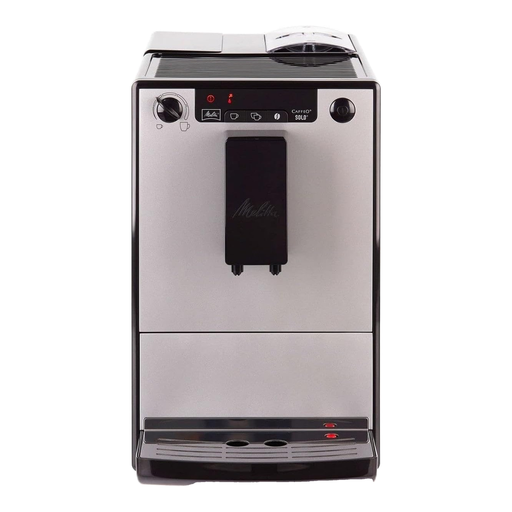
Why this product suits this profile: This compact espresso bean-to-cup machine focuses on bean coffee, espresso and café crème without an integrated milk system.
The manageable selection of recipes avoids unnecessary extra functions. The 1.2-litre water tank and compact dimensions make it suitable for limited worktop space.
Three intensity levels, height-adjustable spout and automatic cleaning function.
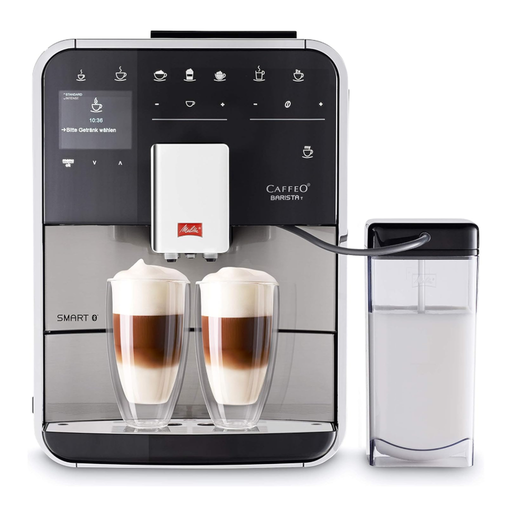
Why this product suits this profile: Several users and different beans can benefit from the two bean chambers and the settings that can be saved.
The specifications for five grind settings, five coffee-strength levels and three temperature settings make its flexibility clear. Automatic rinsing, cleaning and descaling address the maintenance required.
Up to 18 selectable drinks, four user profiles, a 1.8-litre water tank and app control according to the product specifications.

Why this product suits this profile: The direct-selection buttons and LatteCrema milk system are designed for users who regularly prepare cappuccino and latte macchiato.
Automatic milk-system cleaning reduces the number of extra steps. Removable parts that are dishwasher-safe according to the product specifications make care easier.
Seven one-touch recipes, 13 grind settings, a 1.8-litre water tank and a two-cup function.

Why this product suits this profile: This machine combines filter coffee, espresso and cold brew, making it suitable for users who like to vary how they prepare their drinks.
The 25 grind settings allow finer adjustment than models with only a few levels. Four milk-froth programmes cover both hot and cold options.
1.5-litre water tank, integrated scales according to the product description, and accessories for espresso and filter brewing.
We have put together a complete, regularly updated list of products that fully meet these strict selection criteria and the safety regulations applicable in the EU.
A classic bean-to-cup coffee machine usually grinds, doses and brews coffee as espresso or café crème. Models with a milk system also prepare automatic milk drinks. A coffee machine with an integrated grinder and filter technology, on the other hand, prepares larger quantities in a glass or thermal jug. It is better suited to households and offices that need several cups of filter coffee at the same time.
For filter coffee, it is worth looking at models such as the Philips HD7888/01 All-in-1 Brew Filter Coffee Machine. It has a 1.25-litre water tank, a conical grinder and settings for up to ten cups.
Its lifespan depends on usage, water hardness, bean quality and care. Regular rinsing, descaling, cleaning the milk system and emptying the collection containers all help to support reliable operation. Always follow the manufacturer’s maintenance instructions.
In addition to electricity and water, you will need to budget for coffee beans, filters, descaler and cleaning tablets. A milk system may require additional cleaning products. In areas with hard water, a suitable water filter can affect the maintenance required, but it does not replace descaling when indicated by the machine or specified in the operating instructions.
For individuals or small households, compact machines with around 1.2 to 1.5 litres of water are often sufficient. If several drinks are prepared each day or the machine is used in a small office, 1.8 litres of water and a larger bean hopper provide more capacity. Before buying, check the width, depth and height, as well as the clearance needed to remove individual components.