
Lieferung heute & morgen

Qualitätsgarantie

Willkommens-Angebote freischalten: KOSTENLOSE Lieferung | Bis zu 80 % RABATT | Kostenlose 30-Tage-JoyPlus-Testphase
App herunterladen
Do you regularly wake up with a stiff neck or tension headaches? You're not alone. The wrong pillow is often the cause of restless sleep and discomfort in the cervical spine area. However, the market for neck support pillows is overwhelming and full of marketing promises that are rarely kept.
As a Joybuy Product Recommendation Officer, I see customers every day being misled by exaggerated advertising and hidden defects, leading to purchases they regret. Before you invest, you should know the most common pitfalls that lead to disappointment and persistent pain.
To find a pillow that will provide long-term improvement to your sleep quality, you should focus on objective and measurable criteria instead of marketing slogans. Here are the three most important factors to check before you buy.
The material determines how the pillow reacts to pressure and temperature and how durable it is.
The primary function of a neck support pillow is to keep the spine in a straight, neutral alignment. The ideal shape and height depend directly on your preferred sleeping position.
A good ergonomic pillow takes these different needs into account, often through a special wave shape or adjustable inserts.
An anti-tension pillow can only perform its function if the sleep climate is right. A breathable, washable cover is therefore essential. Materials like Tencel, bamboo viscose, or specially treated polyester fibers can effectively wick away moisture. For foam cores, vertical or horizontal ventilation channels are a clear sign of quality that counteracts heat buildup. The cover should also be easily removable and washable at a minimum of 40°C to ensure hygiene and freshness.
Based on the objective criteria mentioned above, we have identified some products from our range that represent a suitable solution for specific user profiles.
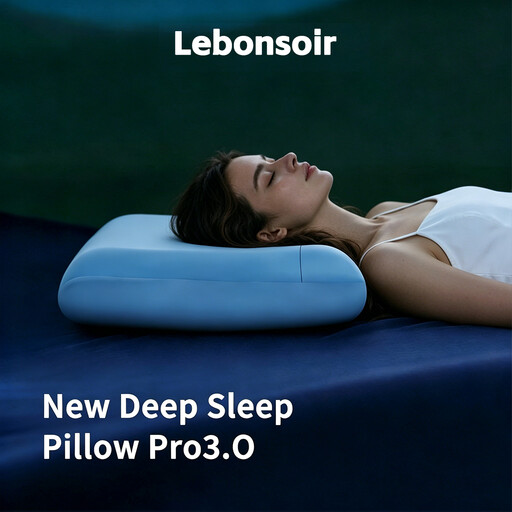
Why This Fits Their Persona: This person is looking for a targeted solution for neck and shoulder pain and may sleep in various positions. The pillow is designed for side, back, and stomach sleepers, aiming for correct spinal alignment.
It bypasses the "one-size-fits-all" trap with a 3-layer construction that combines soft contouring, stable support, and a firm base. The breathable cover also counteracts the heat-trapping pitfall.
The 3-layer foam construction offers a balanced blend of comfort and support. Its ergonomic contour with a neck arch and shoulder cutout is designed for various body types and sleeping positions.
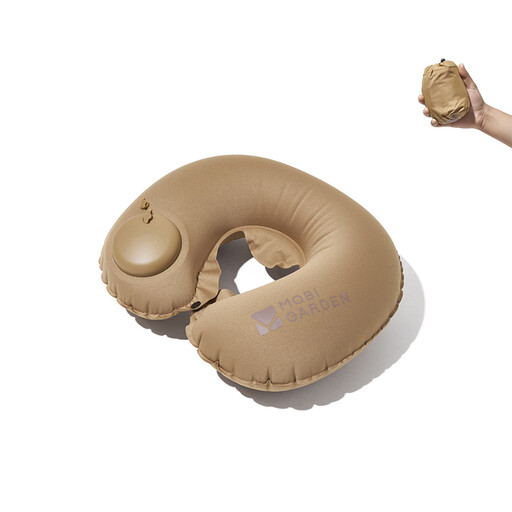
Why This Fits Their Persona: Ideal for commuters, campers, and air travelers who need a compact, lightweight, and quick-to-use neck support on the go. The focus is on portability and functionality for temporary use.
This pillow doesn't promise a universal solution for nightly sleep; it's a specialized tool for travel. It avoids the trap of short-lived support, as its firmness can be individually adjusted by inflation as needed.
The Press-to-Inflate design allows for quick inflation without mouth contact or an extra pump. Weighing approximately 260g and with a small packed size, it is extremely portable.
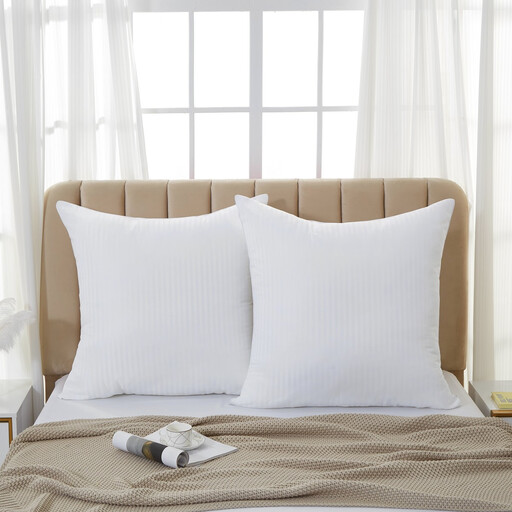
Why This Fits Their Persona: For users who prefer the feel of a classic, soft fiber pillow in the standard 80x80 cm size and are looking for a cost-effective, straightforward solution for their bed at home.
This product doesn't make exaggerated ergonomic claims. It's an honest fiber pillow that focuses on breathability and skin-friendliness, thus avoiding the heat-trapping pitfall. Its machine-washability counteracts the trap of poor hygiene.
The pillow comes in a convenient 2-pack and offers excellent value for money. Being fully machine-washable at low temperatures ensures easy and thorough cleaning.
We have compiled a complete, up-to-date list of products that fully meet these strict selection criteria and German safety regulations.
An adjustment period of a few days up to two weeks is normal. Your body, especially your neck and shoulder muscles, needs to adapt to the new, correct posture. It can be helpful to initially use the new pillow for only a few hours per night and gradually increase the duration.
The ideal height for a side sleeper pillow corresponds to the distance between your ear and the outer edge of your shoulder. This distance ensures that your spine forms a straight line from your cervical spine to your pelvis. You can measure this distance as a rough guide to make a preliminary selection.
The lifespan depends heavily on the material. High-quality memory foam pillows or latex pillows generally retain their support for 2 to 3 years. Pillows with fiber filling should often be replaced after just 1 to 2 years, as the material compresses and loses its supportive effect. A simple test: Fold the pillow in half. If it doesn't spring back to its original shape on its own, it's time for a replacement.