
Lieferung heute & morgen

Qualitätsgarantie

Willkommens-Angebote freischalten: KOSTENLOSE Lieferung | Bis zu 80 % RABATT | Kostenlose 30-Tage-JoyPlus-Testphase
App herunterladen
The search for the right bedding can quickly become overwhelming. Anyone looking online for a new mattress, bedding set, or duvet will encounter countless offers and grandiose marketing promises. But all too often, what seems like a lucky find turns out to be a regrettable purchase after just a few months. To help you make informed decisions, we'll highlight the most common pitfalls and show you which features truly matter.
A frequent problem is vague material specifications and exaggerated marketing terms. Phrases like "ultra-soft luxury fibre" often describe nothing more than simple polyester, whose durability and breathability can vary widely. Another pitfall is blanket "orthopaedic" promises for mattresses without specifying the underlying construction, such as the zone structure. Finally, poor manufacturing details like flimsy zips or badly stitched seams cause products to become unusable quickly.
To avoid disappointment, it's wise to focus on objective and verifiable product features. The following three aspects are crucial for the quality and longevity of your bedroom textiles.
When you buy a mattress, the core is the most important component. Simple foam mattresses often provide only uniform support. A 7-zone pocket spring mattress, on the other hand, contains hundreds of springs individually sewn into fabric pockets. This construction allows for high point elasticity, meaning the mattress only yields where pressure is applied. The seven zones are designed to let heavier body parts like shoulders and hips sink in deeper, while the waist is supported. This promotes an ergonomically correct alignment of the spine.
The material of your bedding significantly influences the sleep climate. Cotton bedding is known for its breathability and absorbency, making it a great choice for people who tend to sweat at night. In contrast, polyester microfibre bedding is very easy to care for, dries quickly, and is often wrinkle-resistant. For those with sensitive skin or allergies, covers made from special performance fabrics like Tencel (Lyocell) may be worth considering. According to manufacturer claims, Tencel is distinguished by particularly effective moisture management, which can contribute to a drier and more hygienic sleep environment. Such a property is also advantageous in a mattress for allergy sufferers.
The functionality of bedding is revealed in the details. A fitted sheet should have a sufficient pocket depth to securely envelop even taller mattresses or those with an additional mattress topper, without slipping off during the night. On a bedding set, sturdy zips are often more practical and durable than button closures. For duvets, especially an all-season duvet, internal corner tabs can be helpful to secure the duvet inside the cover and prevent the filling from shifting.
Based on these objective criteria, we have compiled a selection of products tailored to specific user profiles.
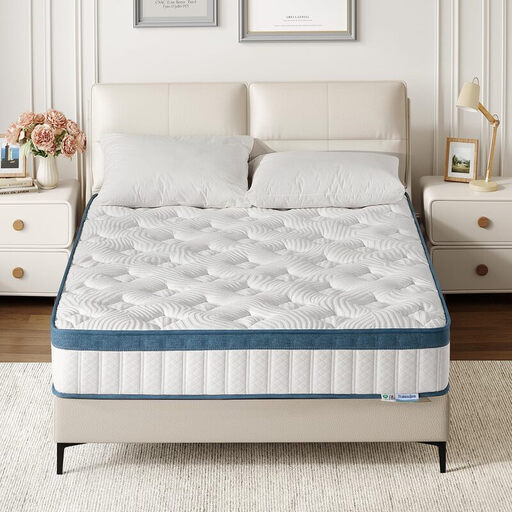
Why it fits the profile: Ideal for individuals looking to make a targeted investment in their sleep quality and seeking ergonomic body support to prevent tension.
Instead of a vague "orthopaedic" promise, the construction is clearly stated: a 7-zone pocket spring mattress with a gel memory foam layer. This provides a verifiable basis for its pressure-relieving effect.
Point-elastic body contouring through 7 zones; moisture-regulating Tencel cover, which the manufacturer states is Oeko-Tex certified and suitable for allergy sufferers.
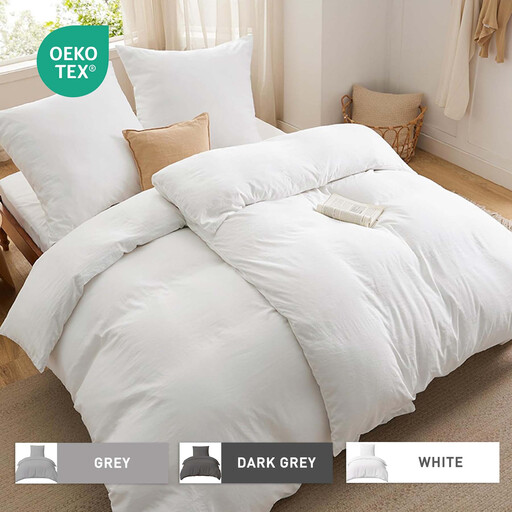
Why it fits the profile: This set offers a complete and affordable solution for couples or for outfitting a guest room with two single duvets.
The product is clearly declared as 100% polyester microfibre and highlights practical, verifiable features like the zip closure and machine washability, rather than making vague promises of softness.
Comprehensive 4-piece set (2 duvet covers, 2 pillowcases) with functional zips and internal corner ties to secure the duvet.
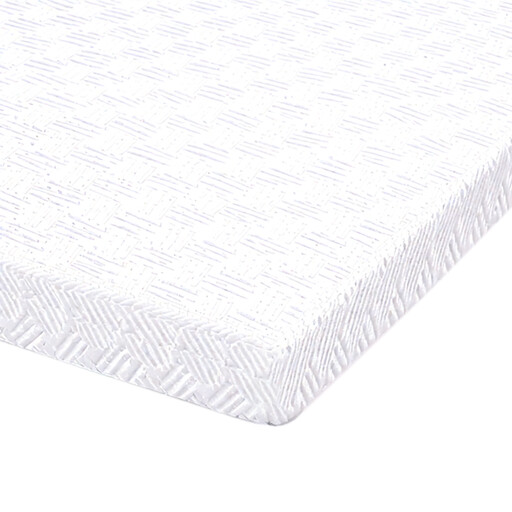
Why it fits the profile: An efficient solution for anyone wanting to improve the comfort of their existing mattress without immediately purchasing a brand-new one.
This product doesn't promise miracles but offers a clear function: improving the feel of your bed with a 2.5 cm layer of pressure-relieving memory foam. It's a targeted upgrade, not a repair.
Noticeably and cost-effectively increases the comfort of a mattress that is too firm; the hypoallergenic cover is an added benefit for sensitive individuals.
The firmness level indicates how firm a mattress is. H3 typically stands for "medium-firm" to "firm." It is often recommended for individuals with a body weight of approximately 80 to 110 kg, but this can vary depending on the manufacturer and personal preference. An H3 mattress provides stable support and prevents the body from sinking in too deeply, which can be particularly beneficial for back and stomach sleepers.
A mattress topper can be a very worthwhile purchase. It is ideal for making a mattress that is too firm feel softer, enhancing sleep comfort with an additional layer (e.g., memory foam), or protecting the main mattress from wear and tear. However, a topper cannot fix a sagging or damaged mattress. In that case, buying a new mattress is unavoidable.
Polyester microfibre bedding is very easy to care for. It should be machine washed at low temperatures (usually 30°C or 40°C) to protect the fibres. A major advantage is that it dries very quickly and often does not need to be ironed. It is recommended to avoid using fabric softener, as it can impair the fabric's breathability.