
Lieferung heute & morgen

Qualitätsgarantie

Willkommens-Angebote freischalten: KOSTENLOSE Lieferung | Bis zu 80 % RABATT | Kostenlose 30-Tage-JoyPlus-Testphase
App herunterladen
A new bedding set can completely transform the ambience of a bedroom and significantly impact your sleep comfort. However, the selection is vast, and all too often, over-the-top marketing promises lead to disappointment. A fabric advertised as "silky" turns out to be a sweat-inducing synthetic, the vibrant colours fade after the first wash, or the set simply doesn't fit a standard duvet.
This guide will help you navigate these pitfalls. We focus on the objective criteria that truly matter, so you can make an informed decision that suits your needs and your home.
Before you let an appealing design guide your choice, three fundamental parameters should be checked. These determine the comfort, longevity, and daily usability of your new bedding set.
Choosing the fabric is the most important decision. The two most common materials have very different properties:
A common mistake is buying a set that doesn't match the standard dimensions of duvets and pillows in your region. Be sure to measure your existing duvet and pillows before purchasing. Common standard sizes are:
A good bedding set should make daily life easier, not harder. Pay attention to the manufacturer's care instructions. Machine washability at a minimum of 40°C and suitability for a tumble dryer are a must for many. Other practical features include:
Here are some recommendations tailored to different needs and lifestyles.
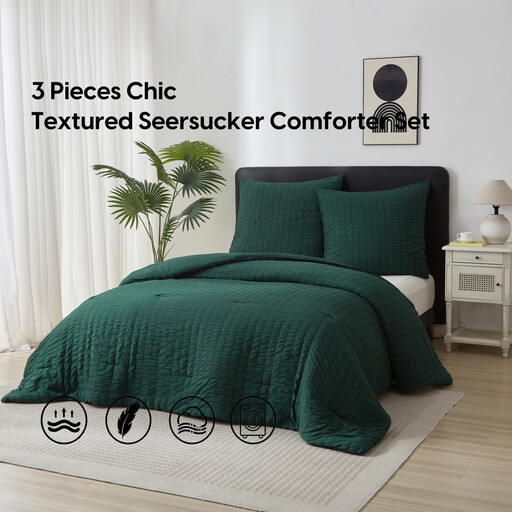
Why this set is a great fit: This set combines a modern, three-dimensional seersucker look with the practical benefits of microfibre. It's ideal for those who want a stylish bedroom without extensive maintenance, even in households with pets.
The seersucker texture is naturally wrinkle-resistant and doesn't require ironing. Unlike smooth fabrics that can look creased quickly, this set maintains a neat appearance even after a night's sleep.
As a "comforter," the set is already filled and quilted, allowing it to function as a lightweight duvet or bedspread. The material is also resistant to pet hair.
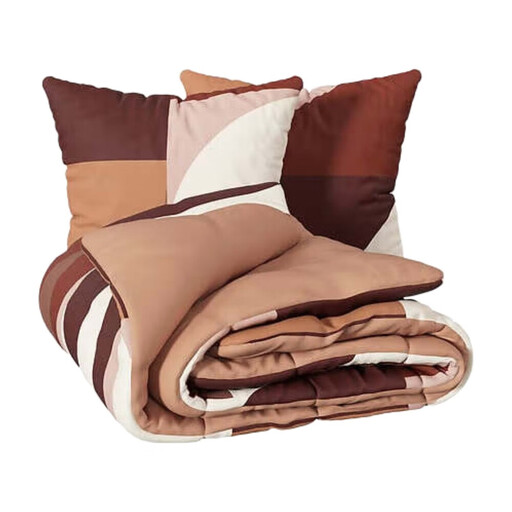
Why this set is a great fit: Made from 100% cotton percale, this set offers a noticeably crisp, cool, and smooth feel against the skin. It's the right choice for anyone who values natural materials and a breathable sleep environment.
Unlike cheap cotton blends that become rough and start pilling after a few washes, the dense percale weave retains its smooth and durable structure with proper care.
The high breathability and moisture-wicking properties of cotton percale ensure a consistently comfortable and dry sleep climate, especially on warmer nights.
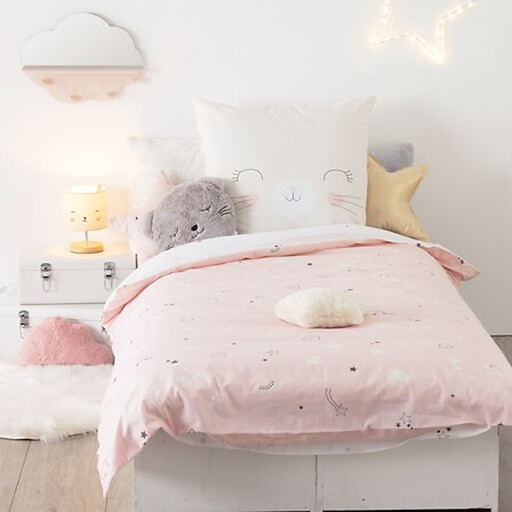
Why this set is a great fit: With the standard size of 140x200 cm, this bedding fits perfectly on common children's and teen beds. The pure cotton material is soft, breathable, and gentle on sensitive children's skin.
The robust cotton fabric is designed to withstand frequent washing without the colours fading quickly—a common problem with lower-quality printed children's bedding.
The use of 100% cotton ensures a natural and healthy sleep environment. The material is easy to care for and durable enough for the hustle and bustle of family life.
We have compiled a comprehensive, up-to-date list of products that meet these strict selection criteria and quality standards.
1. What is the main difference between microfibre and cotton bedding? The essential difference lies in the material and its associated properties. Cotton is a natural fibre that is very breathable and absorbent, which promotes a dry sleeping climate. Microfibre is a synthetic fibre (usually polyester) that is particularly easy to care for, quick-drying, and often hypoallergenic. It feels very soft but is less breathable than cotton.
2. How do I find the right size for my bedding set? Measure your duvet and pillow before you order. The most common standard sizes for duvets are 135/140x200 cm (single bed) and 200x200 cm, 200x220 cm, or 240x220 cm (double bed). For pillows, a common standard size is 80x80 cm in some European regions. The product description should always specify the exact dimensions for the duvet cover and pillowcases.
3. How do I care for my bedding set to keep it looking good for a long time? Always follow the sewn-in care label. As a general rule: wash bedding inside out to protect colours and patterns. Close any zips or buttons before washing. Avoid washing with coarse textiles like terrycloth towels to reduce pilling. Using a lower temperature in the tumble dryer will also help protect the fibres.