
Lieferung heute & morgen

Qualitätsgarantie

Willkommens-Angebote freischalten: KOSTENLOSE Lieferung | Bis zu 80 % RABATT | Kostenlose 30-Tage-JoyPlus-Testphase
App herunterladen
A new bedding set can completely transform the ambience of a bedroom. But the choice is vast, and not every product lives up to its promise. Before you make a decision, it's helpful to know the common pitfalls that often only become apparent after a few washes.
It's a huge disappointment when new bedding quickly loses its quality. Three problems are particularly common:
To avoid buyer's remorse, you should examine three core aspects: the material, the size, and practical features.
The choice of material significantly impacts comfort, durability, and care requirements.
The correct size is crucial for a good fit. In Germany, standard sizes like 155x220 cm bedding or the comfort size 200x200 cm bedding are common. For pillowcases, 80x80 cm is standard for sleeping pillows, while formats like a 45x45 cm cushion cover are typical for decorative cushions.
A practical detail is bedding with a zip fastener. Compared to a button closure, a zip allows for quicker and easier changing and prevents the duvet from peeking out.
The STANDARD 100 by OEKO-TEX label is a globally uniform, independent testing and certification system. If a bedding set carries this label, all its components—from the thread to the zip—have been tested for harmful substances. It gives you the confidence that you are purchasing a product that is safe for your health.
Different products suit different lifestyles and priorities. Here are three recommendations for various user profiles.
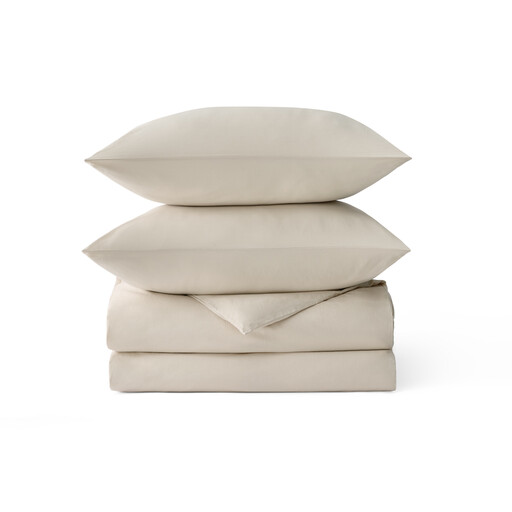
Why it's a great fit: Ideal for anyone who values a natural sleeping experience. The washed cotton texture is breathable and feels pleasant on the skin, promoting sleep comfort.
This set is made of 90% real cotton, thus avoiding the misleading descriptions of purely synthetic fabrics. The OEKO-TEX certification ensures it is free from harmful substances.
Features 8 corner ties to secure the duvet and a concealed zip, which makes everyday handling significantly easier.
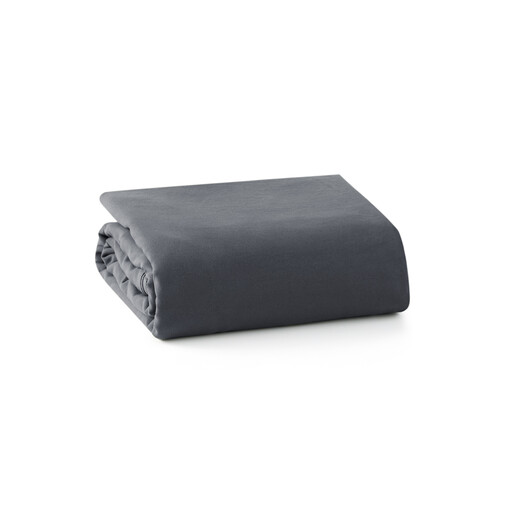
Why it's a great fit: For a hassle-free daily routine where easy care is a priority. The microfibre material is durable, colourfast, and dries quickly. The Anthracite colour is modern and low-maintenance.
This set is equipped with corner ties and a zip, solving the typical problems of fit and handling. The OEKO-TEX certification also guarantees tested quality.
The reinforced seams and fade-resistant dyeing technology ensure long-lasting durability, even with frequent washing.
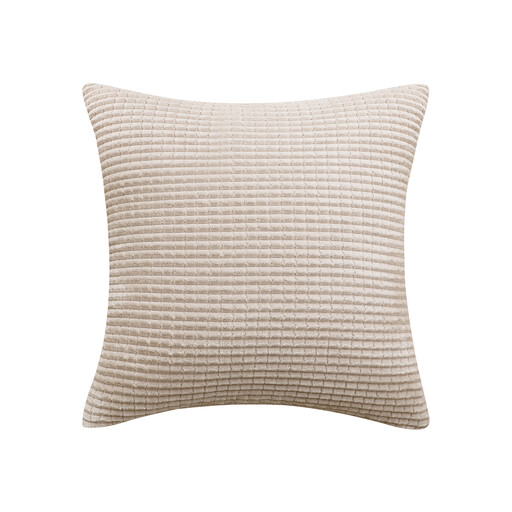
Why it's a great fit: Perfect for quickly and easily adding a cosy and elegant touch to a sofa or bed. The velvety fabric provides a tactile accent, and the neutral beige decorative cushion cover shade complements many interior design styles.
Unlike many purely decorative covers that wear out quickly, this product offers a durable velvet quality suitable for daily use on a sofa.
The soft yet robust texture of the velvet fabric provides a high-quality look and feel that noticeably enhances home comfort.
There is a wide selection to discover, especially when it comes to decorative cushions in neutral tones. We have compiled an up-to-date list of products that meet strict selection criteria.
1. What exactly does OEKO-TEX STANDARD 100 mean for bedding? This label confirms that all components of the product, including threads, buttons, or zips, have been tested against a long list of harmful substances. The limit values often go beyond national and international requirements. It is a reliable indicator of a textile product that is safe for your health.
2. How do I stop my duvet from slipping inside the cover? When buying, look for bedding with integrated fasteners. Many higher-quality models have ties or loops in the four inner corners of the cover. You can tie the corners of your duvet to them, ensuring it stays securely in place, even when you move during the night.
3. Can I wash cotton and polyester bedding the same way? The care instructions differ slightly. Cotton bedding is generally very robust and can often be washed at up to 60°C, which is beneficial for hygiene. Bedding made of polyester or microfibre should be washed at lower temperatures (usually 30-40°C) to protect the material. Always follow the specific care instructions on the product's label.