
Lieferung heute & morgen

Qualitätsgarantie

Willkommens-Angebote freischalten: KOSTENLOSE Lieferung | Bis zu 80 % RABATT | Kostenlose 30-Tage-JoyPlus-Testphase
App herunterladen
A bedding set may seem straightforward at first glance: choose a duvet cover and pillowcases, place your order and you’re done. In practice, however, incorrect measurements, unclear material descriptions or impractical fastenings can quickly lead to disappointing purchases. If you’re looking for a set for a single or double bed in Germany, it’s therefore important to consider more than just colour and price.
The term “double bedding” is not clearly defined. Common sizes include:
Pillowcase sizes can also vary. In the sets reviewed, the size is often 80 x 80 cm. Before buying, measure the duvet, pillows and covers. A cover that is just a few centimetres too small can distort the filling or put strain on the fastening.
“Satin”, “cotton”, “cotton feel” and “microfibre” do not mean the same thing. Cotton fabric can feel breathable and substantial, while microfibre is often notable for being lightweight and easy to care for. With satin bedding, satin initially refers to the weave or smooth surface; the fibre itself could be cotton or polyester, for example.
That is why the specific material composition is more important than the marketing description. A product listed as 90% polyester is not pure cotton bedding, even if the fabric feels similar to cotton.
Buttons can have a classic look, but they take longer to fasten when putting the bedding on. Zip bedding can usually be closed more quickly. Ties or corner fasteners inside the cover can also help prevent the duvet from shifting.
For everyday practicality, washing temperature, drying and possible restrictions such as “do not bleach” or “tumble dry at low temperature only” are also important. Soft bedding that only retains its qualities with complex specialist care may be less practical for families or frequent users.
Look for:
A certificate should be clearly stated in the product listing and assigned to a specific version. For example, the product description for the anthracite four-piece set states that it has an OEKO-TEX certification. This is product information relating to the version described; it does not replace checking the care instructions, material details or your own personal tolerances.
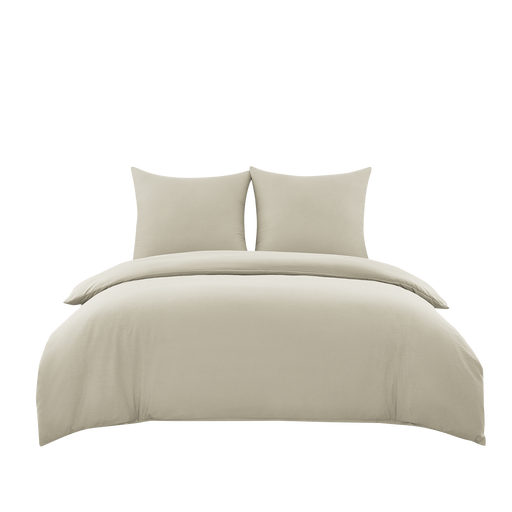
Why this product suits the profile: The set offers a common size for longer single duvets and includes two pillowcases. The stated microfibre construction is suitable for shoppers looking for a lightweight, easy-care option.
The product description lists the size, material, fastening and items included. The zip makes putting the bedding on easier.
Microfibre, pre-washed construction, eight corner ties and several available sizes.
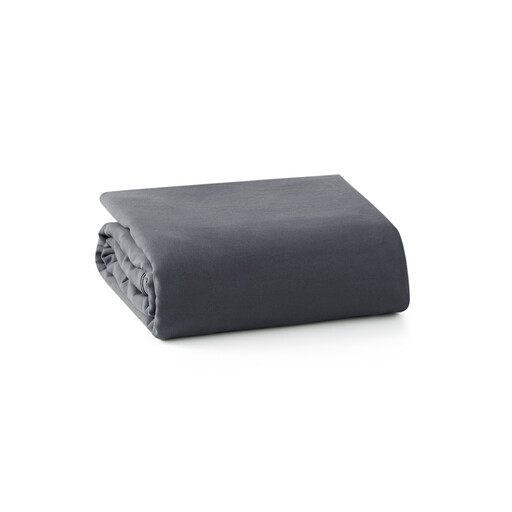
Why this product suits the profile: Two duvet covers and two pillowcases are ideal for people who change their bedding regularly or need an additional set for the household, guest room or children’s room.
The set specifies the individual measurements, items included, eight corner ties and a zip. The care instructions state a temperature below 40 °C and should be followed.
Four pieces, polyester microfibre, reinforced stitching and, according to the product description, OEKO-TEX certification.
Wash a new bedding set according to the care label before using it for the first time. Zips should be closed before washing. Use a mild detergent and avoid overloading the machine, so the fabric has enough room to move. For microfibre, low tumble-drying temperatures are common; cotton may need different treatment depending on the weave and the manufacturer’s instructions.
Dry the bedding completely before folding it or storing it in the cupboard. This reduces the risk of musty smells and moisture problems. With muslin or double-gauze bedding, ironing is often not recommended because the textured surface is part of the design.
We have put together a complete, regularly updated list of products that fully meet these strict selection criteria and the safety regulations applicable in the EU.
That depends on the duvet. Common sizes are 135 x 200 cm or 140 x 200 cm. For particularly tall people, 155 x 220 cm may be suitable. The actual size of the duvet is always the deciding factor, not just the width of the bed.
This depends on how you use it, the time of year and your individual needs. For everyday use, regular washing according to the care label is sensible. More frequent washing may be appropriate if you sweat heavily, have allergies or are unwell. No general medical recommendation can be derived from this.
Microfibre bedding often dries quickly and is usually washed at low temperatures. Depending on its quality and weave, cotton may feel more durable or warmer, but it can sometimes take longer to dry. The decisive factors are the material composition, construction and the specific care label.